
Gradac Monastery
Gradac Monastery is a Serbian Orthodox Monastery located on a plateau above the Gradačka River, built between 1277 and 1282 as an endowment of Queen Helen of Anjou. Known for its Serbian-Byzantine architecture with Gothic and Romanesque elements, the monastery suffered devastation and abandonment but underwent significant reconstruction in the late 20th century and is now a functioning nunnery. It holds the status of a Monument of Culture of Exceptional Importance in Serbia.
Key Facts
- ›Built between 1277 and 1282 as an endowment of Queen Helen of Anjou.
- ›Features a blend of Serbian-Byzantine, Gothic, and Romanesque architectural styles.
- ›Declared a Monument of Culture of Exceptional Importance in 1979.
- ›Devastated at the end of the 14th century and abandoned in the 17th century.
- ›Underwent complete reconstruction between 1963 and 1975.
- ›Currently operates as a nunnery.
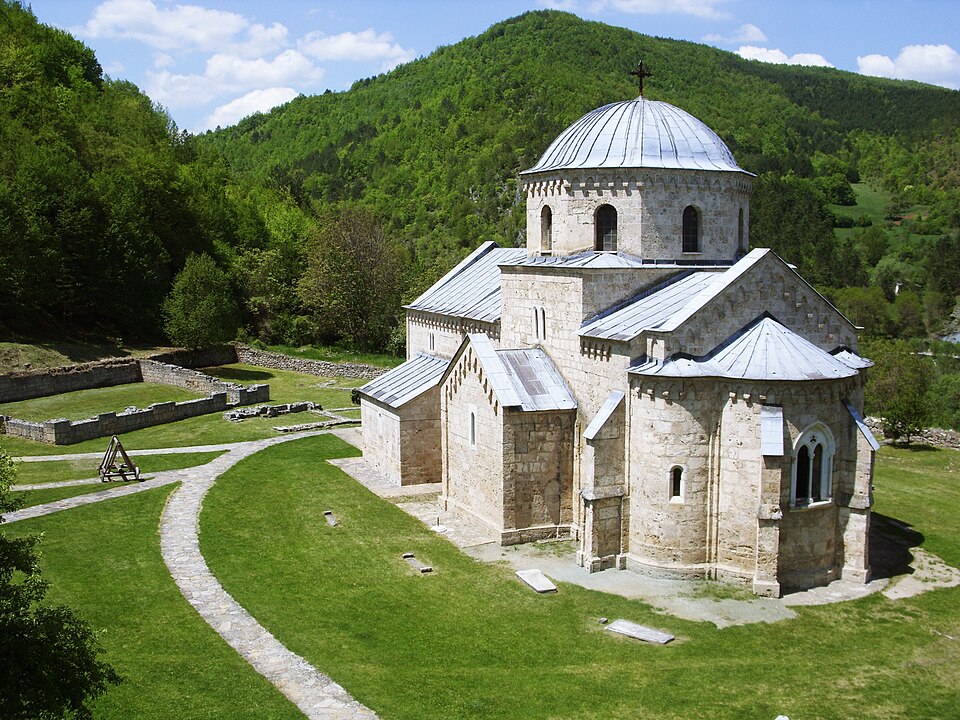
Serbian-Byzantine, Gothic, Romanesque
- Church of the Entry of the Most Holy Theotokos Into the Temple
- Chapel of St Nicholas
- Endower's Composition
- Original Iconostasis
Helen of Anjou, Stefan Dragutin, Julian KnežEvić
- Devastated At the End of the 14th Century
- Partially Restored At the End of the 16th Century
- Deserted In the 17th Century
- Reconstruction of the Main Church
- Construction of Living Quarters and Revival of the Monastery
About Gradac Monastery
The Gradac Monastery is a significant Serbian Orthodox monastery situated on a plateau overlooking the Gradačka River, nestled on the slopes of Golija mountain. Its construction, spanning from 1277 to 1282, was initiated as an endowment by Queen Helen of Anjou during the reign of her son, King Stefan Dragutin.
History and Architecture
Gradac Monastery exemplifies the monumental Serbian-Byzantine architectural style characteristic of the Raška school, while also integrating notable Gothic and Romanesque elements, particularly evident in its portals and bifocal windows. The complex originally included the main church dedicated to the Entry of the Most Holy Theotokos into the Temple, a smaller chapel of St. Nicholas, a dining hall, and economic buildings.
Despite its rich architectural heritage, the monastery faced periods of devastation, notably at the end of the 14th century, and was ultimately abandoned in the 17th century when monks fled Ottoman incursions, taking with them the relics of its founder. For centuries, the structures lay in ruin. A crucial turning point came with a protective roof placed on the church in 1910, followed by extensive restoration works on the main church and the Chapel of St Nicholas between 1963 and 1975 by the Institute for the Protection of Cultural Monuments of Serbia. The interior, though considerably damaged, still shows the endower's composition and preserves the original iconostasis.
Revival and Current Status
In 1982, the construction of living quarters commenced, marking the revival of the monastery, which was then led by Abbot Archimandrite Julian Knežević. Today, Gradac Monastery operates as a nunnery and continues to be a protected site, recognized as a Monument of Culture of Exceptional Importance since 1979, safeguarding its historical and spiritual legacy.
Source: Wikipedia ↗
Frequently Asked Questions
When was Gradac Monastery built?
Gradac Monastery was built between the years 1277 and 1282. It was commissioned as an endowment by Queen Helen of Anjou.
What is the architectural style of Gradac Monastery?
The monastery's architecture is primarily in the monumental Serbian-Byzantine style of the Raška school. It also incorporates numerous Gothic and Romanesque elements, particularly visible in its portals and windows.
What happened to Gradac Monastery after its construction?
The monastery was devastated at the end of the 14th century and partially restored in the late 16th century. It was finally deserted in the 17th century when monks fled the Turks, and the buildings fell into disrepair over the next 300 years.
Has Gradac Monastery been restored?
Yes, a protective roof was placed on the church in 1910. Between 1963 and 1975, a complete reconstruction of the main church was performed. Living quarters were built in 1982, and the monastery was revived.
What is the current status of Gradac Monastery?
Today, Gradac Monastery is an active nunnery. It is also protected by the state as a Monument of Culture of Exceptional Importance.
Related Monasteries
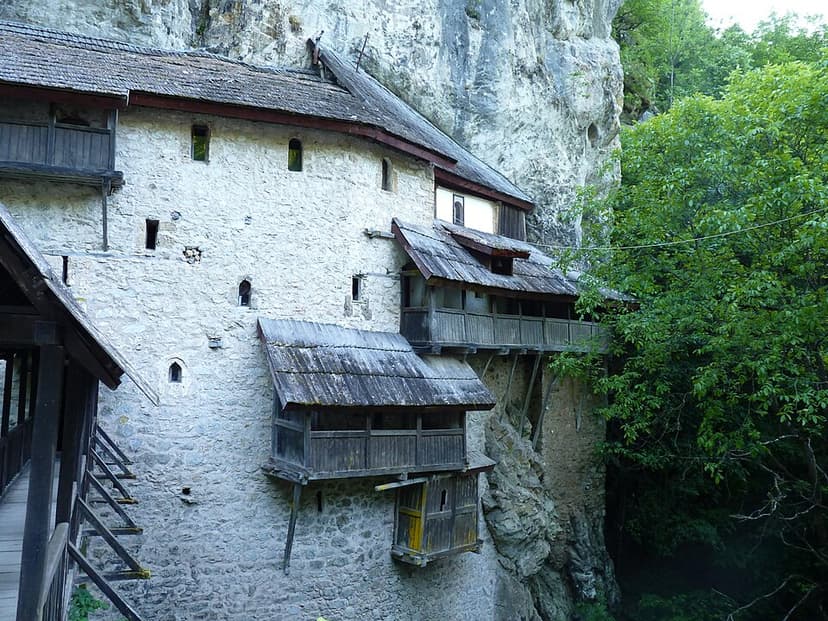
Crna Reka
Crna Reka Monastery is a 13th-century Serbian Orthodox monastery located in southwestern Serbia, near the village of Ribariće. It is distinguished by its cave-church dedicated to Archangel Michael, which features 16th-century frescoes and houses the relics of Saint Peter of Koriša. The monastery's secluded location in the gorges of Ibar Kolašin provided refuge for monks from Sopoćani during Ottoman attacks in the 16th century.
Crna Reka Monastery
Crna Reka Monastery, meaning "Black River Monastery," is a 13th-century Serbian Orthodox monastic complex located in southwestern Serbia. It is notable for its cave-church dedicated to Archangel Michael, which contains 16th-century frescoes and the relics of Saint Peter of Koriša. The monastery served as a refuge for monks from Sopoćani during 16th-century Ottoman attacks.
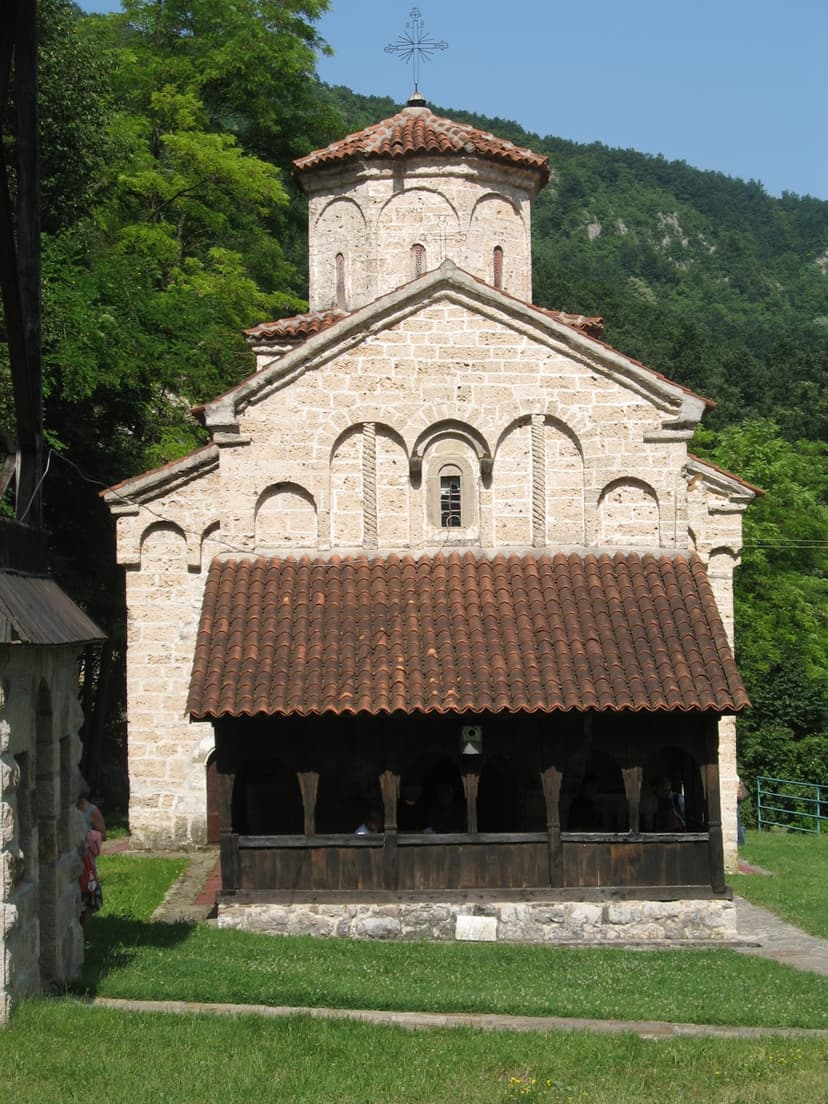
Klisura Monastery
Klisura Monastery, formerly known as Dobrača Monastery, is an active women's monastery of the Serbian Orthodox Church, originating from the late 13th century. Located in the village of Dobrače, it is dedicated to the holy archangels Michael and Gabriel and is recognized as an immovable cultural asset. Despite enduring numerous destructions and rebuilds throughout its history, it continues to function as a spiritual center.