
Churchill Monastery
Christianity·England·Historical/Extant (as listed)
This document is a reference for monastic houses located in Devon, England, detailing various types of religious establishments including alien houses, cells, granges, and camerae of military orders. It aims to provide a comprehensive list with historical context for these sites, many of which are no longer extant.
Key Facts
- ›The document lists monastic houses in Devon, England.
- ›It includes alien houses, cells, granges, and camerae of military orders.
- ›Monastic hospitals with abbey or priory status are also included.
- ›Locations with names in italics indicate potential duplication or non-existent foundations.
- ›The text references several historical and bibliographical sources for its information.
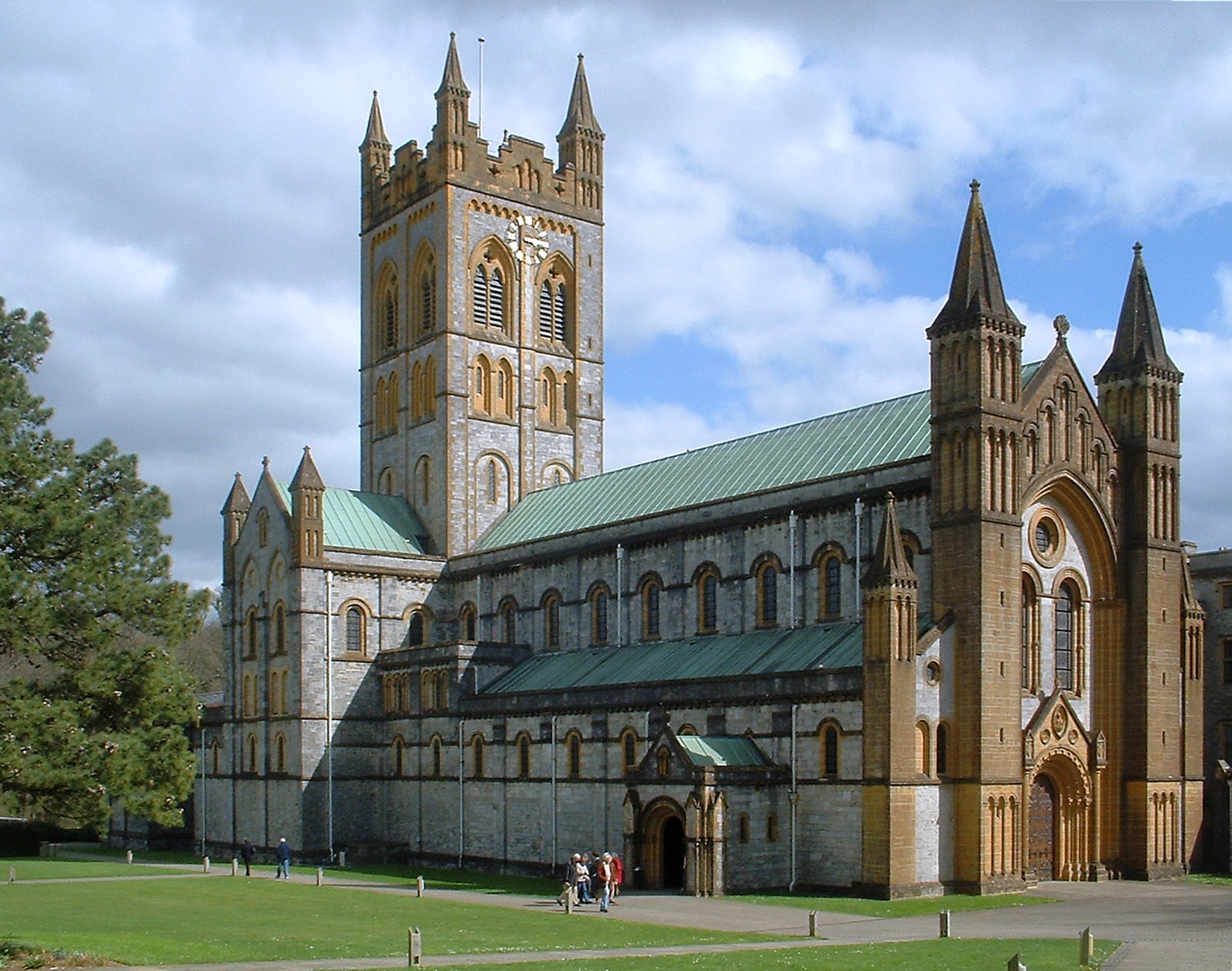
- Inclusion of Alien Houses
- Coverage of Cells and Monastic Granges
- Inclusion of Camerae of Military Orders
- Inclusion of Monastic Hospitals With Abbey/Priory Status
- Confiscation, Seizure, Or Alienation of Religious Foundations During the Protestant Reformation
About Churchill Monastery
Churchill Monastery: A Record of Monastic Houses in Devon
This entry serves as a reference for monastic houses situated within the historical county of Devon, England. It is not a singular monastery but a compilation detailing various types of religious establishments that existed in the region. The scope includes not only traditional abbeys and priories but also 'alien houses' (religious houses founded by and often dependent on foreign parent houses), smaller monastic cells, significant monastic granges that may have hosted resident monks, and the camerae of the military orders, such as the Knights Templar and Knights Hospitaller. Furthermore, monastic hospitals that functioned with the status or responsibilities of an abbey or priory are also cataloged.
The historical context provided within the referenced texts suggests a broad chronological sweep, touching upon the medieval period and extending to the consequences of the Protestant Reformation, during which many religious foundations were confiscated or altered. The notation of locations with names in italics serves as a critical marker, indicating potential ambiguities such as misidentifications, non-existent proposed foundations, or establishments that bore monastic names but lacked genuine monastic connections. This meticulous approach aims to clarify the historical landscape of monasticism in Devon, grounding the information in a range of scholarly and historical sources.
Key Aspects of the Record
- Geographic Focus: The primary geographical area documented is Devon, England.
- Inclusion Criteria: The record is comprehensive, embracing alien houses, cells, monastic granges, camerae of military orders, and qualifying monastic hospitals.
- Ambiguity Indicators: Names in italics highlight potential inaccuracies or uncertainties regarding specific foundations.
- Historical Context: References to sources covering periods from the 12th century to the Reformation provide a historical framework.
- Bibliographical Depth: The entry points to a variety of scholarly works and historical surveys relevant to monastic history in England and Wales, including specific regional studies like the Monasticon Dioecesis Exoniensis.
Source: Wikipedia ↗
Frequently Asked Questions
What types of monastic establishments are included in this list for Devon?
The list encompasses a wide range of monastic establishments in Devon, England. This includes alien houses, smaller foundations like cells, monastic granges with resident monks, and camerae of the military orders of the Knights Templar and Knights Hospitaller.
Are monastic hospitals mentioned in this record?
Yes, monastic hospitals are included in this reference, particularly those that held the status or functioned similarly to an abbey, priory, or preceptor/commandery.
What does it mean if a location's name is in italics?
If a location's name is presented in italics, it suggests a potential issue with the record. This could indicate a possible duplication of a known site, a misidentification with another location, or a proposed foundation that may never have been implemented or is based on erroneous references.
What historical periods does this listing cover?
While the specific historical periods covered are not detailed for each entry, the inclusion of sources such as 'Dedications of Monastic Houses in England and Wales 1066–1216' and references to the 'Protestant "Reformation" Sovereigns' suggests a focus on medieval and post-Reformation periods.
Related Monasteries
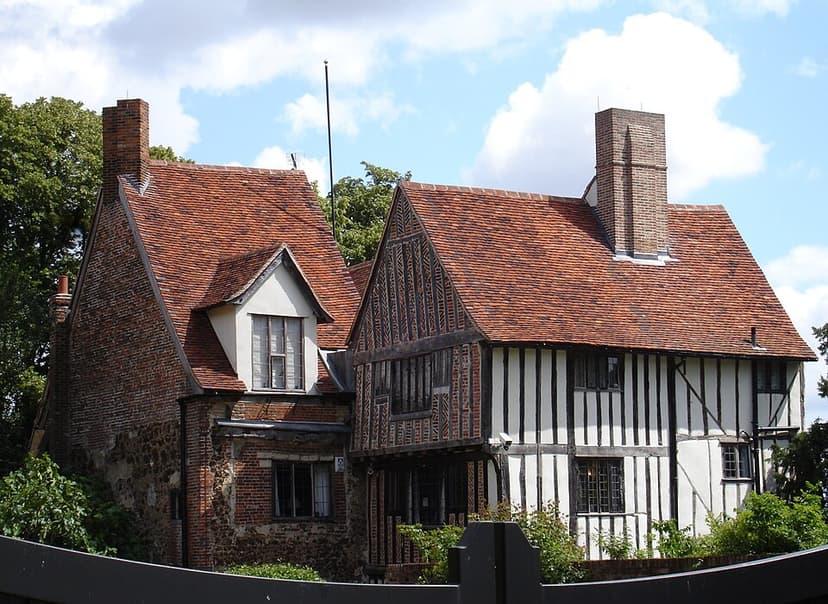
Beeleigh Abbey
Beeleigh Abbey, established in 1180 near Maldon, Essex, was a Premonstratensian (White Canons) monastery. It gained significance as a pilgrimage site due to the burial of the heart of Roger Niger, Bishop of London, and was later granted to Sir John Gate after the Dissolution of the Monasteries. Following periods as a public house and falling into ruin, it underwent significant restoration in the 20th century and is now a private residence with accessible gardens.

Canterbury Cathedral Priory
Canterbury Cathedral Priory, formally known as the Priory of Christ Church, Canterbury, was a Benedictine monastic community intrinsically linked to the seat of the Archbishop of Canterbury. Founded in 597 AD, it underwent significant rebuilding and expansion throughout its history, notably after fires in 1174 and a major reconstruction in the Gothic style. Its importance was amplified by its role as a major pilgrimage site, particularly for the shrine of Thomas Becket, which significantly funded its later architectural developments.

Cressing Preceptory
Cressing Temple was one of the earliest and largest estates of the Knights Templar in England, established in 1136. Following the suppression of the Templars, it was transferred to the Knights Hospitaller and later confiscated by the Crown. Today, the site is a visitor attraction, renowned for its remarkably preserved medieval barns, including what is claimed to be the oldest standing timber-framed barn in the world.