
Celestines
Roman Catholic·Italy·extinct·13th century
The Celestines were a Roman Catholic monastic order, a branch of the Benedictines, founded in 1244 by Peter of Morone, who later became Pope Celestine V. Initially known as the Hermits of St Damiano, they adopted the name Celestines after their founder's papal election. The order was characterized by its rigorous ascetic practices and rules, which were more severe than the traditional Benedictine rule. The last Celestine house closed in 1785.
Key Facts
- ›Founded in 1244 by Peter of Morone.
- ›A branch of the Benedictine Order.
- ›Known for strict ascetic rules and abstaining from meat.
- ›Adopted the name Celestines after founder Peter of Morone became Pope Celestine V.
- ›Spread through Italy, Germany, Flanders, and France.
- ›The order became extinct in the 18th century, with the last house closing in 1785.

Abbey of the Holy Spirit At Monte Morrone, San Pietro In Montorio
Hermits of St Damiano, Moronites, Murronites
Peter of Morone, Robert
- Approval As A Branch of the Benedictines By Pope Urban Iv In 1264.
- Approval By Pope Gregory X At A Council In Lyon.
- Peter of Morone's Election As Pope Celestine V In 1294.
- Reception By Philip the Fair In France In 1300.
- French Celestines Obtained Privilege For New Constitutions In 1427.
- French Congregation Established New Constitutions In the 17th Century.
- Order Declined Due To Reformation, Wars of Religion, and Changing Attitudes Towards Monasticism.
About Celestines
The Celestines
The Celestines were a Roman Catholic monastic order that emerged as a distinct branch of the Benedictine tradition. Founded in 1244 by Peter of Morone, who later ascended to the papacy as Celestine V, the order was initially known as the Hermits of St Damiano or Moronites. Their foundation stemmed from Peter of Morone's austere life of solitude and prayer on the Mountain of Majella, which attracted followers eager to share his way of life. The order was officially recognized and approved by Pope Urban IV in 1264 as a branch of the Benedictines, with a rule that incorporated additional severities and privations beyond the traditional Benedictine practice.
History
The order experienced rapid growth, particularly after its founder's papal election and subsequent confirmation of its rule and privileges. By the time Peter of Morone retired from governing the order, he had seen it expand to thirty-six monasteries with over six hundred monks. The Abbey of the Holy Spirit at Monte Morrone in Sulmona became the headquarters of the order and the residence of its General-Superior. The Celestines spread throughout Italy, Germany, Flanders, and France, establishing numerous houses. The French congregation later developed its own constitutions in the 17th century. However, the order faced significant decline, impacted by events such as the Reformation and the European Wars of Religion, and did not participate in the 17th-century monastic reform movements. The last Celestine house closed its doors in 1785, marking the end of the order.
Source: Wikipedia ↗
Frequently Asked Questions
When were the Celestines founded?
The Celestines were founded in 1244 by Peter of Morone. The new rule was initially called the Hermits of St Damiano.
What is the origin of the name 'Celestines'?
The order did not assume the appellation of Celestines until after the election of their founder, Peter of Morone, to the Papacy as Celestine V.
What were the key characteristics of the Celestine rule?
The Celestines followed the rule of Saint Benedict but added additional severities and privations. They were bound to say matins early in the morning and always abstain from eating meat, except in illness.
Where did the Celestines establish monasteries?
The order spread rapidly through Italy, Germany, Flanders, and France. At their height, they had ninety-six houses in Italy, twenty-one in France, and a few in Germany.
When did the Celestine order cease to exist?
The Celestine order became extinct in the eighteenth century. The last house closed in 1785.
Related Monasteries
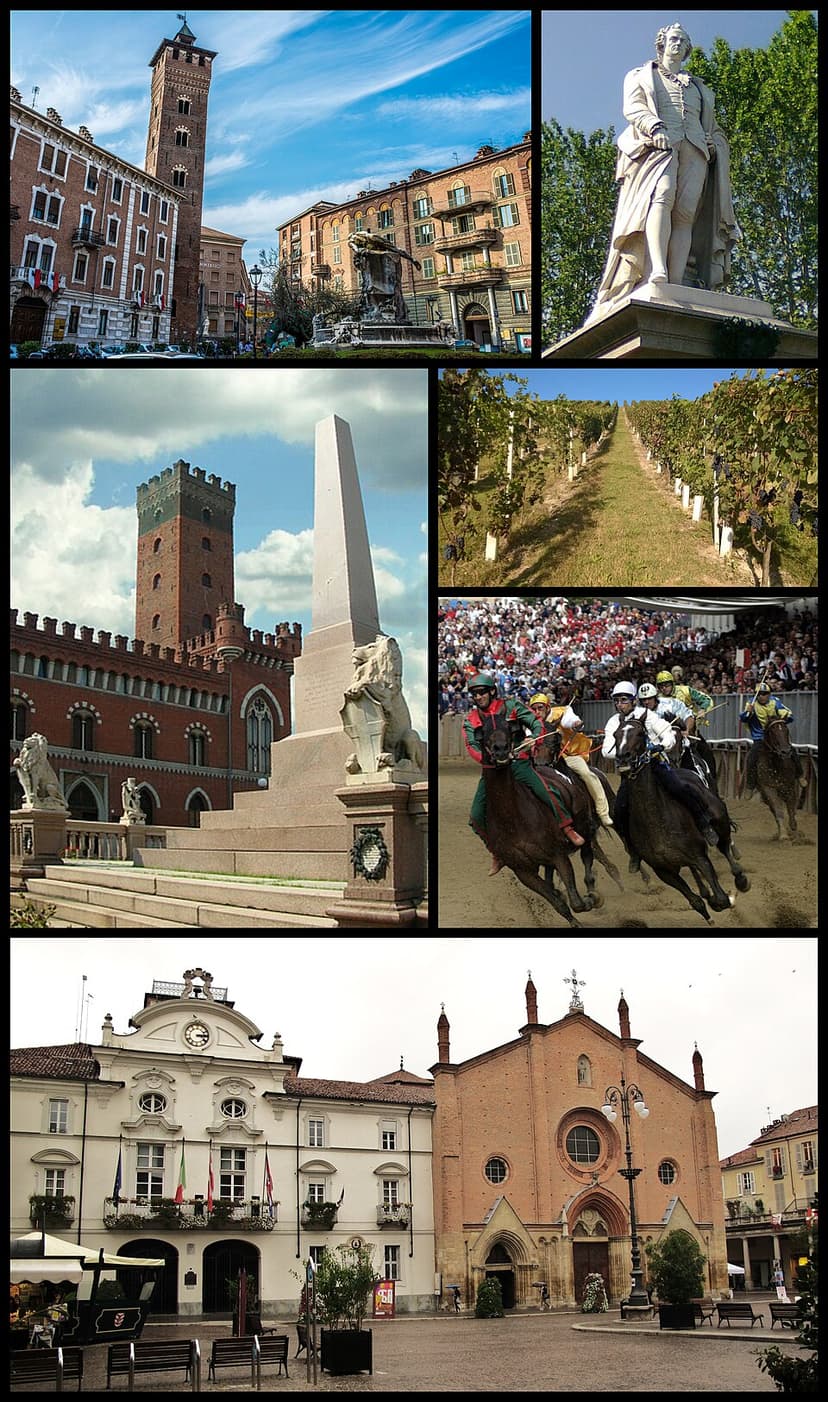
Asti
Asti is a historic comune in the Piedmont region of Italy, with a history stretching back to the Neolithic period. It rose to prominence as a Roman city named Hasta, strategically located on trade routes. Throughout the Middle Ages, Asti evolved into a powerful free commune, known for its economic and cultural splendor, and as a central hub for trade. The city has experienced periods of significant conflict and rule by various powers, including the Lombards, Franks, French, and Savoyards, before becoming part of unified Italy.

Pinerolo
Pinerolo is a town and comune in the Metropolitan City of Turin, Piedmont, northwestern Italy, historically significant for its strategic location and role as a fortress. It served as a key crossroads and a principal stronghold for the dukes of Savoy, which led to the establishment of a notable military school. The town has a rich history, including periods under French control and a significant role in the economy of the surrounding Waldensian Valleys.

Venice
Venice is a historic city in northeastern Italy, renowned for its unique construction on a lagoon of 118 islands connected by canals and bridges. Established by refugees fleeing invasions, it evolved into the powerful Republic of Venice, a major maritime and financial hub from the 9th to the 18th centuries. Today, it remains a significant cultural center and a popular tourist destination, recognized as a UNESCO World Heritage Site.