
Bilsington Priory
Augustinian·England·Wedding and conference venue·13th century
Bilsington Priory was an Augustinian priory located in Kent, England, founded in 1253 by John Maunsell with assistance from Merton Priory. It served the local community by providing a hospital and preaching. Following its suppression in the 1536 Dissolution of the Monasteries, some of its structures were converted into a farmhouse and later restored, with portions now functioning as a wedding and conference venue.
Key Facts
- ›Founded in 1253 by John Maunsell.
- ›Notable for its Augustinian religious tradition.
- ›Suppressed in 1536 during the Dissolution of the Monasteries.
- ›Surviving buildings were restored in 1906 by J.T. Micklethwaite.
- ›The site is now a wedding and conference venue.
- ›The surviving buildings are Grade I listed.
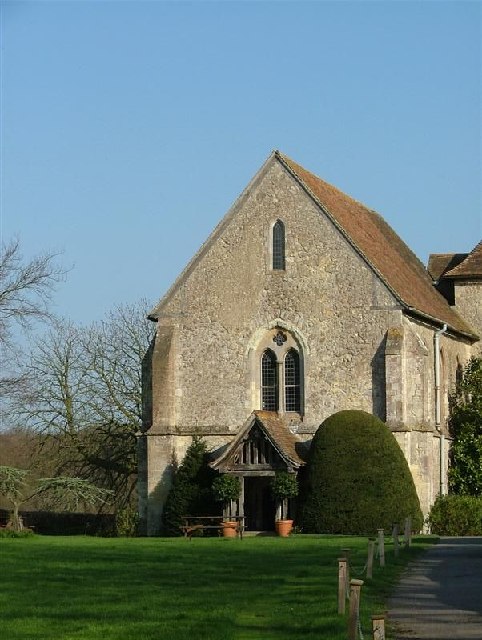
Grade I Listed Buildings, Graffiti From the Durham Light Infantry
Bilsvitone, Bilswithetun, Beilsington
John Maunsell, Anthony St Leger, Thomas Cranmer
- Founded In 1253
- Suppressed In 1536 During the Dissolution of the Monasteries
About Bilsington Priory
Bilsington Priory was an Augustinian priory situated in Kent, England, approximately 3/4 mile north of the village of Bilsington and about 5 miles south of Ashford. The site's history predates the priory, being mentioned in the Domesday Book as held by Odo of Bayeux. The priory itself was established in 1253 by John Maunsell, with crucial assistance from the canons of Merton Priory, who supplied its initial three priors.
Historically, Bilsington Priory played a role in the local community, offering hospital services and engaging in preaching. As a monastic house valued under £200, it fell victim to the Dissolution of the Monasteries in 1536. Following its suppression, the priory's lands were transferred first to Anthony St Leger and then exchanged with Thomas Cranmer, the Archbishop of Canterbury.
Surviving Structures and Modern Use
Although the priory was dissolved, some of its buildings have endured. These surviving structures were repurposed into a farmhouse and underwent restoration in 1906, guided by designs from J.T. Micklethwaite. These buildings are recognized for their historical and architectural significance, holding a Grade I listing. Notably, one of the priory's walls bears graffiti from the Durham Light Infantry, who were stationed in the area in 1940 following the Dunkirk evacuation. Today, Bilsington Priory operates as a venue for weddings and conferences, offering views over Romney Marsh.
Source: Wikipedia ↗
Frequently Asked Questions
When was Bilsington Priory founded?
Bilsington Priory was founded in the year 1253. The founding was facilitated by John Maunsell, with support from the canons of Merton Priory.
What religious order was Bilsington Priory part of?
Bilsington Priory belonged to the Augustinian religious order. The canons of Merton Priory, also Augustinian, provided assistance during its establishment.
What happened to Bilsington Priory after the Dissolution of the Monasteries?
Bilsington Priory was suppressed in 1536 during the Dissolution of the Monasteries. Its lands were subsequently granted to Anthony St Leger, who later exchanged them with Thomas Cranmer, Archbishop of Canterbury.
Are any parts of Bilsington Priory still standing?
Yes, some of the original buildings of Bilsington Priory survived and were converted into a farmhouse. These structures underwent restoration in 1906 and are now Grade I listed.
What is Bilsington Priory used for today?
Today, Bilsington Priory serves as a wedding and conference venue. It overlooks the Romney Marsh area and retains historical architectural elements.
Related Monasteries
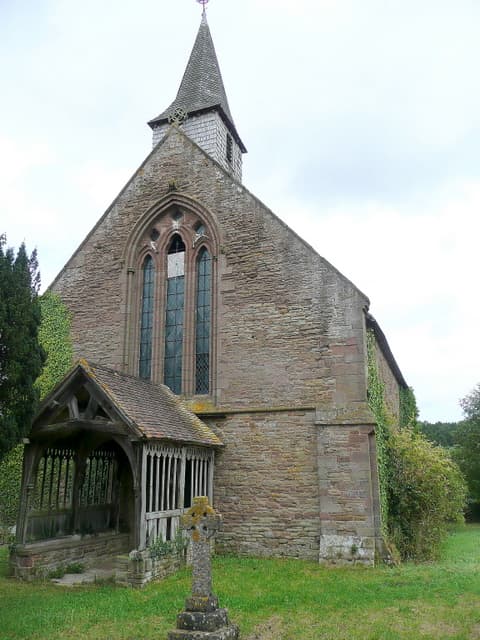
Aconbury Priory
Aconbury Priory was an Augustinian priory located in Herefordshire, England, founded in the early 13th century. The priory's church, still standing today, was initially constructed in 1230. While the conventual buildings have largely vanished, remnants of the east and north walls survived the dissolution.
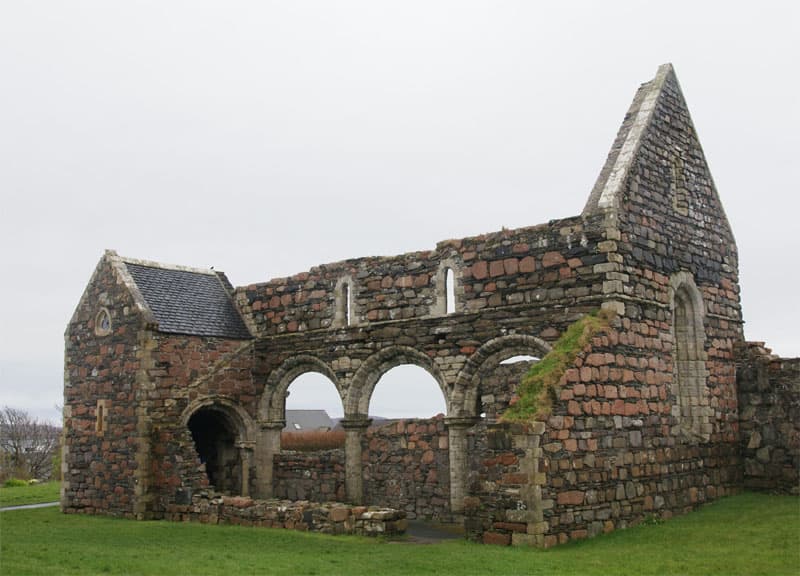
Iona Priory
The Iona Nunnery was an Augustinian convent of nuns established on the island of Iona in Scotland sometime after 1203. Founded by Bethóc, sister of Ranald, son of Somerled, it became one of the few Augustinian women's monasteries in Scotland. Its ruins are the most complete remains of a medieval nunnery in the country, managed today by Historic Environment Scotland.

Colchester — St Botolph's Priory
Colchester — St Botolph's Priory was a significant medieval Augustinian house, established around 1093 and serving as the first and leading Augustinian convent in England until its dissolution in 1536. Despite facing disputes and financial difficulties, the priory played a crucial role in the religious landscape of Colchester and Essex. Today, its substantial ruins are preserved as a public park and a scheduled monument, offering a glimpse into its former grandeur.