
Iona Priory
The Iona Nunnery was an Augustinian convent of nuns established on the island of Iona in Scotland sometime after 1203. Founded by Bethóc, sister of Ranald, son of Somerled, it became one of the few Augustinian women's monasteries in Scotland. Its ruins are the most complete remains of a medieval nunnery in the country, managed today by Historic Environment Scotland.
Key Facts
- ›Established as an Augustinian convent for nuns on the island of Iona.
- ›Founded after the nearby Benedictine monastery, which was established in 1203.
- ›First prioress was BethóC, sister of Ranald, son of Somerled.
- ›Represents the most complete medieval nunnery ruins in Scotland.
- ›Its construction follows the typical Irish style.
- ›Managed by Historic Environment Scotland and designated a scheduled monument.
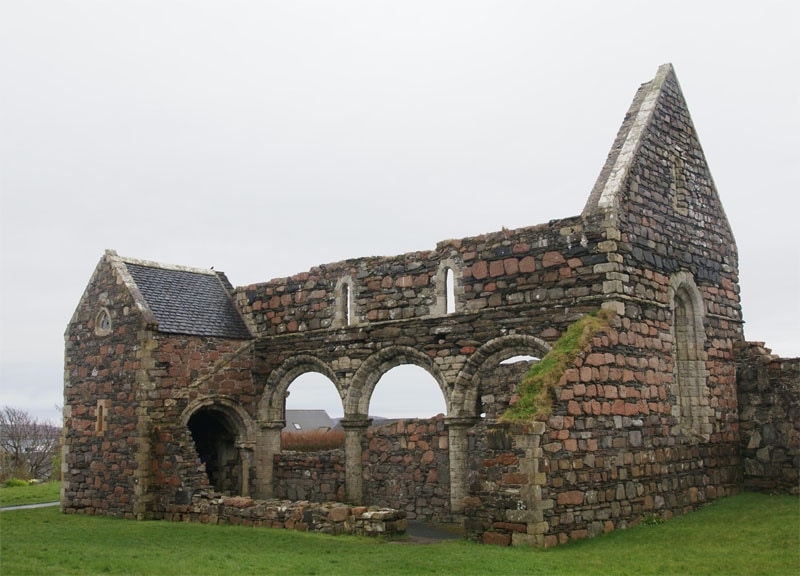
Irish Style
- Most Complete Remains of A Medieval Nunnery In Scotland
- Church With Three Bays
- Monastic Cloister
- East Wing With Dormitory
- South Wing With Refectory
- West Wing Likely A Guest Wing
Iona Nunnery
BethóC, Ranald, Son of Somerled, Anna Maclean
Establishment of the Augustinian Convent, Dissolution After the Reformation
About Iona Priory
Iona Nunnery
The Iona Nunnery was an Augustinian convent for nuns situated on the island of Iona in Scotland's Inner Hebrides. Its establishment occurred sometime after the founding of the nearby Benedictine monastery in 1203, an endeavor initiated by Ranald, son of Somerled. Bethóc, daughter of Somerled and sister to Ranald, held the distinction of being the convent's first prioress. The remnants of the nunnery are located in a tranquil precinct adjacent to Iona's primary village, Baile Mor. These ruins are recognized as the most complete surviving structures of a medieval nunnery in Scotland.
History and Significance
The founding of the Iona Nunnery followed the establishment of the Benedictine monastery by Raghnall mac Somhairle in 1203. Bethóc, his sister, became the inaugural prioress. This institution was one of only three Augustinian monasteries for women in Scotland, alongside St. Leonards Nunnery in Perth and Teampull na Trionaid at Carinish in North Uist. A testament to its past is the upper portion of a headstone belonging to Anna MacLean, a prioress who passed away in 1543, which is displayed in the Abbey museum of the adjacent Iona Abbey. The nunnery has undergone restoration efforts in 1923 and again in 1993.
Construction and Management
The architectural design of the Iona Nunnery adheres to the characteristic Irish style. The Church building comprises three bays, featuring a passage on its north side and a small chapel to the east of this passage. The monastic cloister measures 14 meters square, though it was originally smaller. The east wing contained three rooms on the ground floor, with the dormitory situated above. The south wing housed the refectory, and a floor was added to this section in the sixteenth century. The west wing, now located beneath the modern road, was most likely designated as the guests' wing. The Iona Nunnery is currently managed by Historic Environment Scotland and holds the status of a scheduled monument.
Source: Wikipedia ↗
Frequently Asked Questions
When was the Iona Nunnery founded?
The Iona Nunnery was established sometime after the foundation of the nearby Benedictine monastery in 1203. The exact year of the nunnery's founding is not precisely recorded.
Who was the first prioress of Iona Nunnery?
The first prioress of the Iona Nunnery was Bethóc, who was the sister of Ranald, son of Somerled. She played a key role in the establishment of the convent.
What is the architectural style of the Iona Nunnery?
The construction of the Iona Nunnery follows the typical Irish style. The Church features a three-bay building with specific arrangements for passages and chapels.
What is the current status of the Iona Nunnery?
The Iona Nunnery was dissolved after the Reformation and is now a ruin. Restoration work has been undertaken in the past, and its remains are managed by Historic Environment Scotland.
Are the ruins of the Iona Nunnery significant?
Yes, the ruins of the Iona Nunnery are considered the most complete remains of a medieval nunnery extant in Scotland. They are located in a peaceful precinct adjacent to the main village of Iona.
Related Monasteries

St Fillan's Priory
St Fillan's Priory was a small Augustinian priory located in Strath Fillan, Argyll. Founded around 1318 by Robert I, King of Scots, it was dedicated to the popular 14th-century saint, St. Fillan. The priory benefited from royal patronage, even after the Scottish Reformation, but by 1607 it had become a Campbell possession.
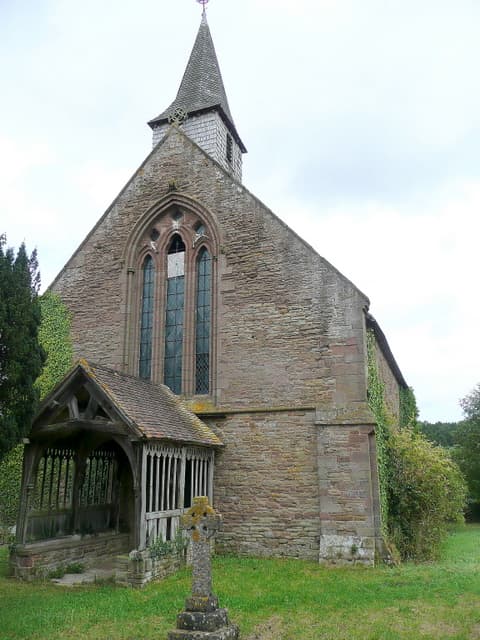
Aconbury Priory
Aconbury Priory was an Augustinian priory located in Herefordshire, England, founded in the early 13th century. The priory's church, still standing today, was initially constructed in 1230. While the conventual buildings have largely vanished, remnants of the east and north walls survived the dissolution.
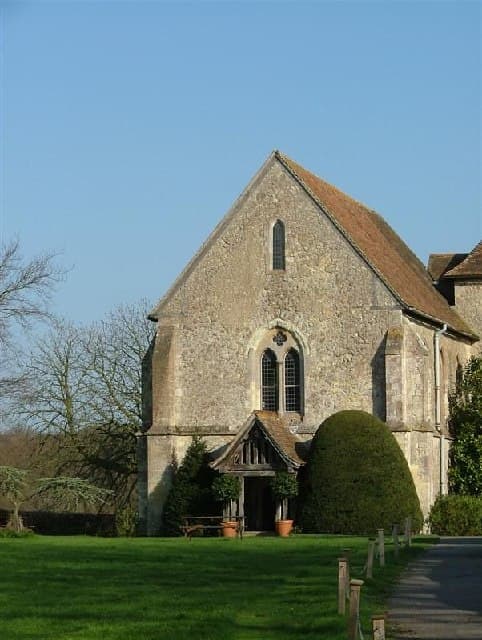
Bilsington Priory
Bilsington Priory was an Augustinian priory located in Kent, England, founded in 1253 by John Maunsell with assistance from Merton Priory. It served the local community by providing a hospital and preaching. Following its suppression in the 1536 Dissolution of the Monasteries, some of its structures were converted into a farmhouse and later restored, with portions now functioning as a wedding and conference venue.