
Biaroza Charterhouse
Catholic·Belarus·Ruins·17th century
Biaroza Charterhouse was a 17th-century Baroque Catholic monastery founded in the Polish–Lithuanian Commonwealth and is now located in Belarus. It was established by the Sapieha family and entrusted to the Carthusian monks, becoming a significant spiritual and economic center. Despite periods of destruction and repurposing, parts of the monastery, including its gates, have undergone renovation.
Key Facts
- ›Founded in the 17th century by Kazimierz Leon Sapieha.
- ›Entrusted to the Carthusian monks from Treviso, Italy, in 1648.
- ›Architect is believed to be Giovanni Battista Gisleni.
- ›Became one of the largest monasteries in the Polish–Lithuanian Commonwealth.
- ›Housed a conference between King August II of Poland and Tsar Peter I of Russia during the Great Northern War.
- ›Suffered damage and looting during military conflicts and later repurposed by Russian and Polish authorities.
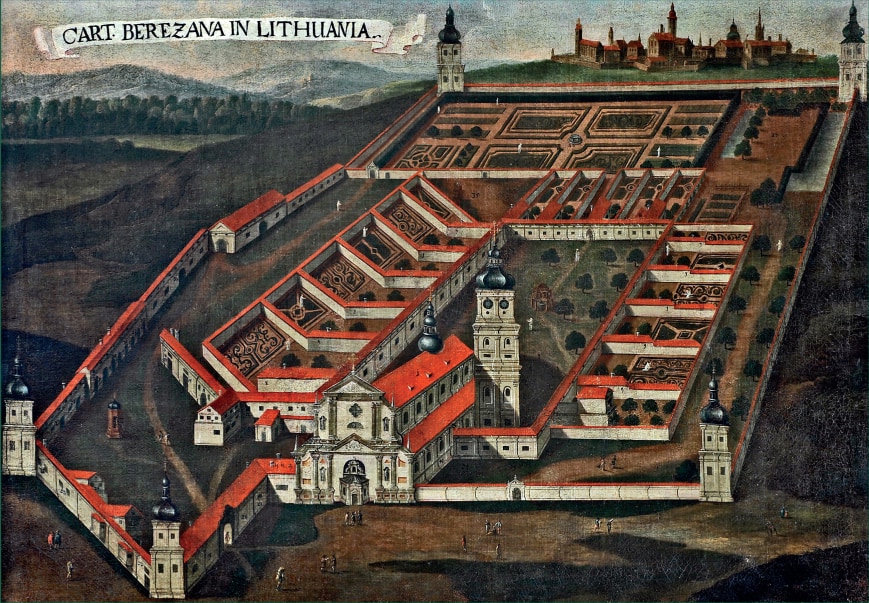
Baroque
Fortified Monastery, Palace of the Sapiehas Nearby, Pharmacy, Botanical Garden, Economic Infrastructure
Byaroza Monastery, Biaroza Charterhouse, бяроза-картуская, Bereza Kartuska
Kazimierz Leon Sapieha, Lew Sapieha, Giovanni Battista Gisleni, Andrej Hiembinski, Jan De Torres, King August Ii of Poland, Tsar Peter I of Russia, Charles Xii of Sweden, Alexander Suvorov, Tadeusz KośCiuszko
- Founded In the 17th Century.
- Entrusted To Carthusian Monks In 1648.
- Monastery Consecrated In 1666.
- Housed A Conference Between King August Ii of Poland and Tsar Peter I of Russia During the Great Northern War.
- Besieged and Looted By Charles Xii of Sweden In 1706.
- Damaged By Alexander Suvorov's Armies In 1772.
- Closed By Russian Authorities In 1831.
- Repurposed As Casernes By Russians.
- Rebuilt As A Prison For Political Prisoners In the 1930s.
- Occupied By A Soviet Military Unit After World War Ii.
About Biaroza Charterhouse
Biaroza Charterhouse, also known as Byaroza monastery, was a significant Baroque Catholic monastery constructed in the 17th century within the Polish–Lithuanian Commonwealth. Today, its ruins are located in Belarus. The monastery was founded by Kazimierz Leon Sapieha, a powerful magnate, who entrusted it to the Carthusian monks in 1648. The architect is believed to be Giovanni Battista Gisleni, who worked extensively in the eastern Commonwealth. Named after the Holy Cross due to its founding on a site where a wooden cross was found, the charterhouse became one of the largest and most beautiful monasteries in its province.
History and Development
The cornerstone was laid in 1648, with consecration occurring in 1666, though church construction extended into the 18th century. The monastery developed extensive living quarters, a pharmacy, a botanical garden, and a robust economic infrastructure, contributing to the growth of the nearby settlement into a town. It also played a role in significant political events, hosting a conference between King August II of Poland and Tsar Peter I of Russia during the Great Northern War.
Degradation and Later Use
Despite its grandeur, Biaroza Charterhouse suffered considerable damage. It was besieged and looted by the forces of Charles XII of Sweden in 1706, and again by Swedish forces two years later. Further damage occurred in 1772 during the Partitions of Poland. Following the annexation by the Russian Empire, the number of monks dwindled, and the monastery's treasures were looted. The Russian authorities eventually closed the monastery in 1831, repurposing its infrastructure for military use. In the 20th century, the former premises served as Russian barracks, then were rebuilt as a prison for political prisoners by Polish authorities in the 1930s, and later occupied by a Soviet military unit, leading to further degradation.
Modern State
In the early 1990s, Biaroza Charterhouse was recognized as a historic architectural heritage site in Belarus. While projects for renovation and restoration have been initiated, progress has been limited. As of recent reports, the monastery gates, which feature on the coat of arms of Byaroza, have been renovated, with plans for the restoration of the monastery church.
Source: Wikipedia ↗
Frequently Asked Questions
When was Biaroza Charterhouse founded?
The cornerstone of Biaroza Charterhouse was laid in 1648. Construction of the church continued into the 18th century, but the monastery was consecrated in 1666.
Who founded Biaroza Charterhouse?
The monastery was founded by Kazimierz Leon Sapieha, a member of the powerful Sapieha family. He was the main sponsor of the project.
What is the architectural style of Biaroza Charterhouse?
The monastery was constructed in the Baroque style. It was noted for being one of the most beautiful monastery churches of the eastern Commonwealth.
What happened to Biaroza Charterhouse after its closure?
After its closure by Russian authorities in 1831, the premises were used as barracks by the army. Later, during the 1930s, it was converted into a prison for political prisoners by Polish authorities.
What is the current status of Biaroza Charterhouse?
As of the early 1990s, the monastery was listed as historic architectural heritage. While renovation projects have been undertaken, progress has been slow, with some gates renovated and church renovation planned.
Related Monasteries
De La Salle Brothers
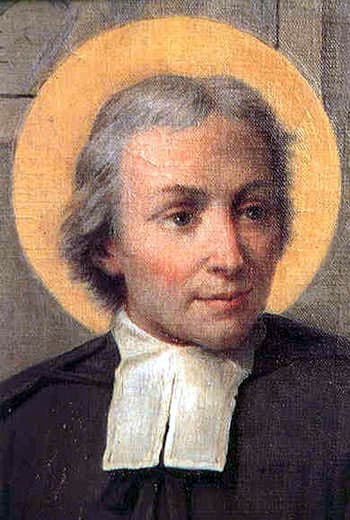
The De La Salle Brothers, officially the Institute of the Brothers of the Christian Schools (FSC), is a Catholic lay religious congregation founded in France by Jean-Baptiste de La Salle in 1679. Dedicated to providing a human and Christian education, especially to the poor, the institute operates over a thousand educational centers in nearly 80 countries, serving over a million students. While lauded for their educational mission and recognized by the Pope, the order has also faced significant controversy due to admitted long-standing cases of physical and sexual abuse within some of its institutions.

diocese of La Rochelle
The Diocese of La Rochelle and Saintes is a Catholic diocese in France, established in 1648. It encompasses the Charente-Maritime department and the overseas collectivity of Saint-Pierre and Miquelon. The diocese has a complex history, including mergers and re-establishments of its constituent sees, and played a role in the religious tensions of the French Reformation.

Kapuzinergruft
The Imperial Crypt, also known as the Capuchin Crypt (Kapuzinergruft), is a significant burial chamber located beneath the Capuchin Church and monastery in Vienna, Austria. Established in 1618 and consecrated in 1632, it has served as the primary resting place for members of the House of Habsburg since 1633. The crypt houses the remains of numerous Habsburg royalty, including emperors and empresses, entombed in a variety of sarcophagi, with a resident community of Capuchin friars acting as guardians.