
Abbey of Saint-Pierre de la Couture
Christian·France·partially ruins, parts repurposed·6th century
The Abbey of Saint-Pierre de la Couture was a powerful Benedictine monastery in Le Mans, France, founded in the late 6th century by Saint Bertrand. It amassed significant landholdings across France and England, becoming one of western France's most influential religious institutions before the French Revolution. While only the abbey church and some later rebuilt abbey buildings survive today, the church itself dates to the 11th and 12th centuries and showcases Romanesque and Gothic architectural elements.
Key Facts
- ›Founded in honor of Saints Peter and Paul by Saint Bertrand, Bishop of Le Mans.
- ›The name 'de la couture' originally referred to cultivated fields surrounding the monastery.
- ›Suffered destruction by Normans in the 9th and 10th centuries, then rebuilt in 990.
- ›By the early 12th century, it owned 30,000 hectares of land.
- ›In 1518, abbots began to be appointed by royal authority, impacting the abbey's autonomy.
- ›The abbey church was classified as a historical monument in 1841.

Romanesque, Gothic
Abbey Church, Gallo-Roman Wall Proximity, Crypt of Saint-Bertrand, 11th and 12th-Century Construction, Rebuilt 18th-Century Abbey Buildings
Abbaye Saint-Pierre De La Couture
Saint Bertrand, Gauzbert
Norman Invasions, Rebuilding By Gauzbert, Hundred Years' War Destruction, Plague Outbreak In Le Mans, Capture of Le Mans By Protestants, Religious Wars Destruction, Reconstruction, French Revolution
About Abbey of Saint-Pierre de la Couture
The Abbey of Saint-Pierre de la Couture, located in Le Mans, France, was a historically significant Benedictine monastery. Founded in the late 6th century by Saint Bertrand, Bishop of Le Mans, it was dedicated to Saints Peter and Paul and derived its name, 'de la couture,' from the cultivated fields surrounding its original site. The monastery quickly grew in power and wealth, amassing extensive landholdings across France and even in England. Its historical trajectory was marked by periods of destruction, notably by Norman invasions in the 9th and 10th centuries, followed by rebuilding efforts, such as the one undertaken by Gauzbert in 990.
History and Significance
During the Middle Ages, the Abbey of Saint-Pierre de la Couture became one of the most influential religious institutions in western France. By the early 12th century, its land holdings spanned 30,000 hectares. The abbey church, Notre-Dame de la Couture, showcases architectural elements from its 11th and 12th-century construction, incorporating Romanesque and Gothic styles. The monastery faced further challenges during conflicts such as the Hundred Years' War and the Religious Wars, which caused significant destruction. A turning point in its governance occurred in 1518 when abbots began to be appointed by royal authority, impacting the abbey's traditional autonomy.
Later History and Legacy
In the latter half of the 18th century, the abbey underwent a significant rebuild between 1760 and 1775. Following the French Revolution, the monks departed, and the abbey buildings were repurposed for administrative use, eventually housing the prefecture for Sarthe. While extensive, the original monastic structures are largely gone, with only the abbey church and the rebuilt 18th-century administrative buildings remaining today. The abbey church itself was classified as a historical monument in 1841, preserving a tangible link to the site's long and complex past. The abbey is no longer an active monastic community, and public access to the former abbey buildings is limited to occasional guided tours.
Source: Wikipedia ↗
Frequently Asked Questions
When was the Abbey of Saint-Pierre de la Couture founded?
The Abbey of Saint-Pierre de la Couture was founded in the late 6th century by Saint Bertrand, Bishop of Le Mans, between 586 and 616. The monastery was dedicated to Saints Peter and Paul.
What is the origin of the name 'de la couture'?
The name 'de la couture' was chosen because of the cultivated fields that surrounded the monastery at the time of its founding. Later, from the 10th century onwards, the term also took on the meaning of 'cultura dei,' meaning worship of God.
What significant historical events affected the abbey?
The abbey was partially destroyed and its possessions burned by Norman invasions in the 9th and 10th centuries. It also suffered destruction during the Hundred Years' War and the Religious Wars, with periods of English occupation being particularly destructive.
What remains of the original abbey today?
Today, only the abbey church and some of the abbey buildings survive. The abbey church dates primarily to the 11th and 12th centuries, while the surviving abbey buildings were rebuilt between 1760 and 1775 and now house the prefecture for Sarthe.
What was the significance of the Abbey of Saint-Pierre de la Couture?
Before the French Revolution, the Abbey of Saint-Pierre de la Couture was considered one of the most powerful monasteries in western France. It amassed considerable land holdings and held significant influence.
What is the architectural style of the abbey church?
The abbey church, Notre-Dame de la Couture, is primarily in the Gothic style. However, elements from its earlier construction in the 11th and 12th centuries, including Romanesque windows, are also present.
Related Monasteries

Abbey of Saint-Jean-le-Grand
The Abbey of Saint-Jean-le-Grand was a Benedictine nunnery in Autun, France, possibly founded by Queen Brunhilda and Bishop Syagrius. Existing by at least 589, it suffered destruction multiple times before being rebuilt by Charlemagne. The abbey was eventually suppressed during the French Revolution, leading to the demolition of its church and most conventual buildings.
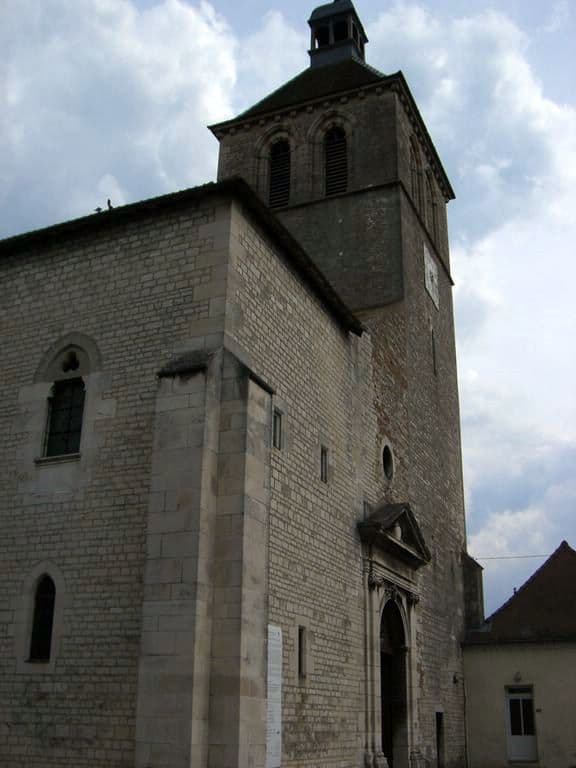
Abbey of Saint-Marcel-lès-Chalon
The Abbey of Saint-Marcel-lès-Chalon was a significant Benedictine monastery founded around 590 CE near Chalon-sur-Saône in eastern France. It later became part of the Congregation of Cluny between 979 and 988, transitioning to a priory. The monastery is historically notable as the place where the philosopher Peter Abelard died in 1142. Although suppressed during the French Revolution and its monastic buildings demolished, the church remains standing as a parish church.

Abbey of St Cybard
The Abbey of Saint-Cybard was a Benedictine monastery situated outside Angoulême, France. Founded in the sixth century by Saint Eparchius, it experienced periods of royal confirmation, Viking raids, and later fell under Cluniac influence before its destruction during the Wars of Religion. Today, only remnants of its church and chapels survive.