
Tulasi
Tulasi, also known as Vrinda, is a sacred plant revered in Hinduism as an earthly manifestation of the goddess Tulasi, an avatar of Lakshmi and consort of Vishnu. The plant holds immense religious significance, with its leaves essential in the worship of Vishnu and his avatars, and it is often planted in the center of Hindu homes for devotional and medicinal purposes.
Key Facts
- ›Tulasi is considered an earthly manifestation of the goddess Tulasi, an avatar of Lakshmi.
- ›The offering of Tulasi leaves is recommended in the ritualistic worship of Vishnu and his avatars.
- ›Traditionally, the Tulasi plant is planted in the center of the courtyard of Hindu houses.
- ›Different varieties of Tulasi, such as Shri-Tulasi and Shyama-Tulasi, are associated with Lakshmi and Krishna, respectively.
- ›The ceremonial wedding of the Tulasi plant to Vishnu, known as Tulasi Vivaha, marks the end of the Chaturmasya period.
- ›Vaishnavas traditionally use japa malas made from Tulasi stems or roots.
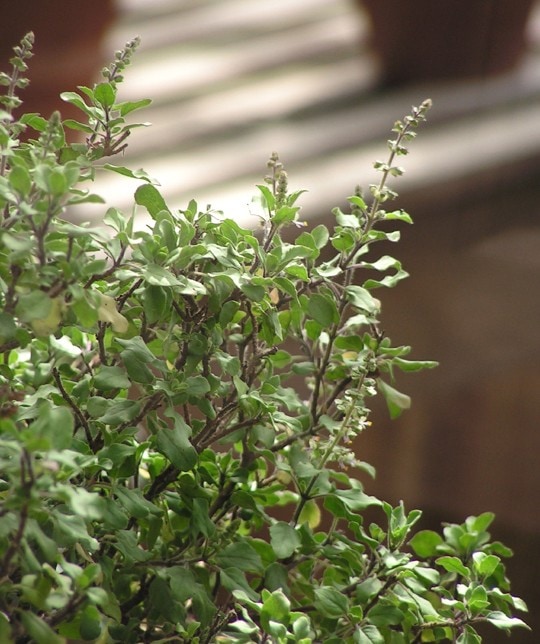
Vrinda, Vaishnavi, Vishnu Vallabha, Haripriya, Vishnu Tulasi, Shri-Tulasi, Lakshmi-Tulasi, Rama-Tulasi, Shyama-Tulasi, Krishna-Tulasi, Lakshmi Priya
- Sacred Plant
- Leaves, Stem, Flower, Root, Seeds, and Oil Are Revered
- Associated With Green Or Dark Green/Purple Leaves and Stems
Devi Bhagavata Purana, Skanda Purana, Padma Purana, Shiva Purana, Rig Veda, Srimad Bhagavatam, Brahmavaivarta Purana, Charaka Samhita
Avatar of Lakshmi, Consort of Vishnu
Tulasi Vivaha
Vaikuntha, Goloka, Badrinath
Deity, Sacred Plant
About Tulasi
Tulasi, also known as Vrinda, is a sacred plant revered in Hindu tradition as an earthly manifestation of the goddess Tulasi. She is considered an avatar of Lakshmi, the goddess of wealth and prosperity, and thus the consort of Lord Vishnu. The offering of Tulasi leaves is essential in the ritualistic worship of Vishnu and his avatars, such as Krishna and Vithoba.
Significance and Worship
The Tulasi plant holds immense religious significance and is often planted in the center of Hindu homes, serving as a focal point for devotional practices. It is cultivated not only for religious purposes but also for its medicinal properties. The plant is believed to be a threshold between heaven and earth, with various deities and sacred elements residing within its form. Daily worship and care of the plant, traditionally the responsibility of women, are considered to bring spiritual merit and divine grace. Tuesdays and Fridays are particularly auspicious for Tulasi worship, involving rituals like watering, offering food and flowers, and circumambulating the plant while chanting mantras.
Legends and Associations
Legends surrounding Tulasi often highlight her devotion and divine associations. In one narrative, she is the daughter of Dharmadhvaja who performed penance to marry Vishnu. She is also depicted as Vrinda, wife of the asura Jalandhara, whose chastity was crucial to his power. In some traditions, she is identified with various consorts of Vishnu's avatars, and in a variation of the Vrinda legend, Tulasi curses Vishnu to become a stone after her husband's demise.
Varieties and Rituals
Different varieties of Tulasi are recognized, including Shri-Tulasi or Lakshmi-Tulasi (green-leaved) and Shyama-Tulasi or Krishna-Tulasi (dark-leaved), each associated with specific deities. A significant ritual is Tulasi Vivaha, the ceremonial wedding of the Tulasi plant to an image of Vishnu, which marks the end of the auspicious period of Chaturmasya and heralds the start of the wedding season. Vaishnavas, devotees of Vishnu, place great importance on Tulasi, often wearing malas (prayer beads) made from its stems, believing they connect them to the deity and offer protection.
Source: Wikipedia ↗
Frequently Asked Questions
Who is the goddess Tulasi?
Tulasi is revered in Hindu tradition as an earthly manifestation of a goddess of the same name. She is considered an avatar of Lakshmi, the goddess of wealth and prosperity, and is thus regarded as the consort of Lord Vishnu.
What is the significance of the Tulasi plant in Hinduism?
The Tulasi plant is considered the holiest of all plants and a sacred symbol in Hindu tradition. It is believed to be a threshold point between heaven and earth, with various deities and sacred elements residing within its form. Its leaves are essential in the worship of Vishnu and his avatars.
What are the different names and associations of Tulasi?
Tulasi is known by various names such as Vrinda, Vaishnavi, Vishnu Vallabha, and Haripriya. The green-leaved variety is called Shri-Tulasi or Lakshmi-Tulasi, associated with Lakshmi, while the dark-leaved variety is known as Shyama-Tulasi or Krishna-Tulasi, sacred to Krishna.
What are the legends surrounding Tulasi?
Legends describe Tulasi as the daughter of Dharmadhvaja, who performed severe penance to marry Vishnu. She also appears as Vrinda, wife of the asura Jalandhara, whose chastity was instrumental in his invincibility. In some narratives, Tulasi curses Vishnu to be turned into stone after her husband's death.
How is Tulasi worshipped?
Tulasi is traditionally planted in the center of Hindu homes and is cared for daily, especially by women. Rituals involve watering the plant, cleaning the area, and making offerings. Tuesdays and Fridays are considered especially sacred for worship, and devotees often circumambulate the plant while chanting mantras.
What is Tulasi Vivaha?
Tulasi Vivaha is a ceremonial wedding performed between the Tulasi plant and an image of Vishnu, typically a Shaligrama stone or an image of Krishna or Rama. This ceremony marks the end of the auspicious period of Chaturmasya and inaugurates the wedding season in India.
What is the connection between Tulasi and Vaishnavism?
Tulasi is especially sacred in Vaishnavism, the tradition dedicated to Vishnu. Vaishnavas often wear garlands or rosaries made from Tulasi stems, known as Tulasi malas, which are considered auspicious and believed to connect the wearer to Vishnu. Offerings of Tulasi leaves are vital in the worship of Vishnu and his forms.
Related Hindu deities
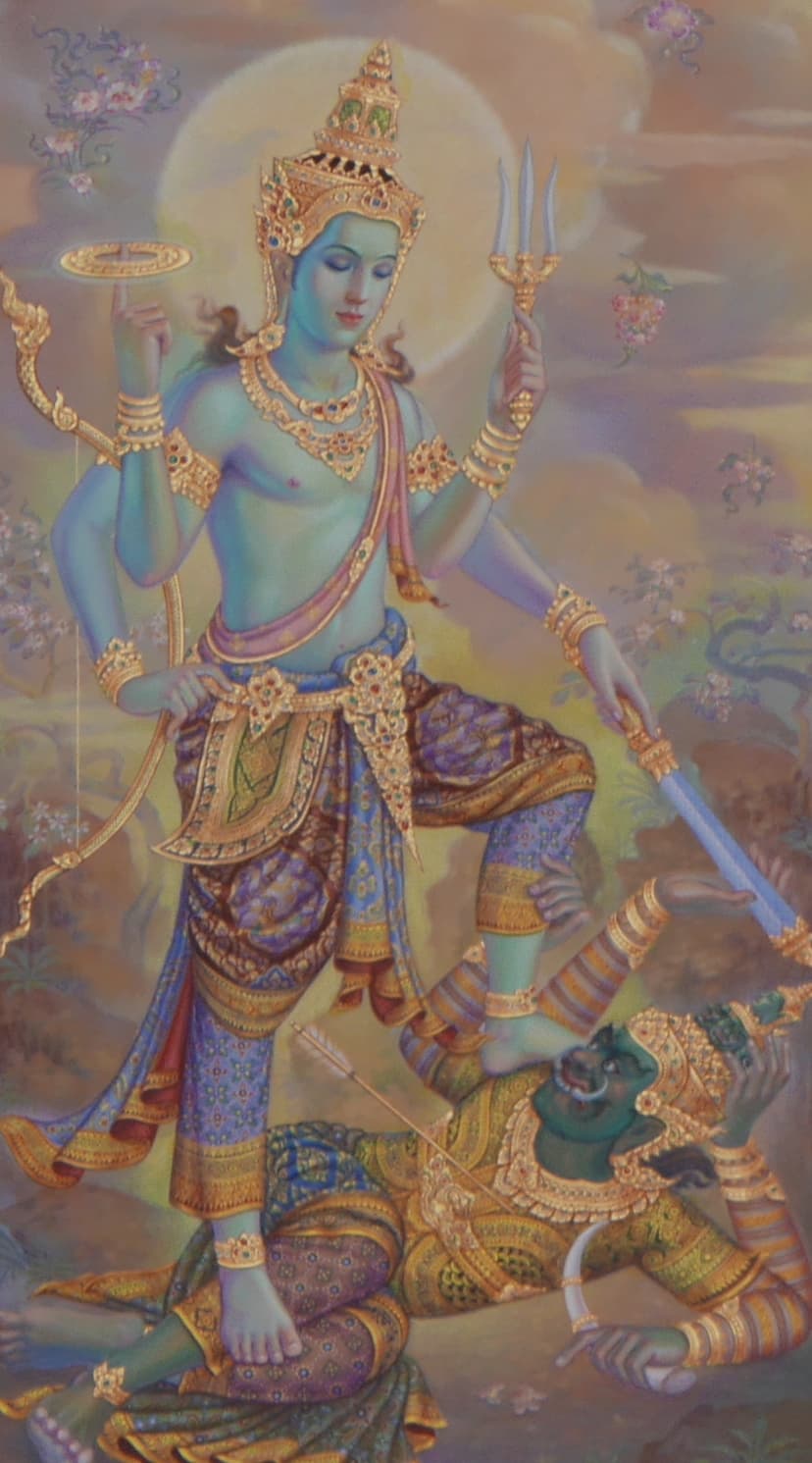
Rama
Rama is a major deity in Hinduism, revered as the seventh and one of the most popular avatars of Vishnu. He is considered the ideal man and the central figure of the epic Ramayana, embodying dharma and righteous living. His story, marked by exile, the abduction of his wife Sita, and a subsequent war to rescue her, illustrates duties, rights, and social responsibilities.
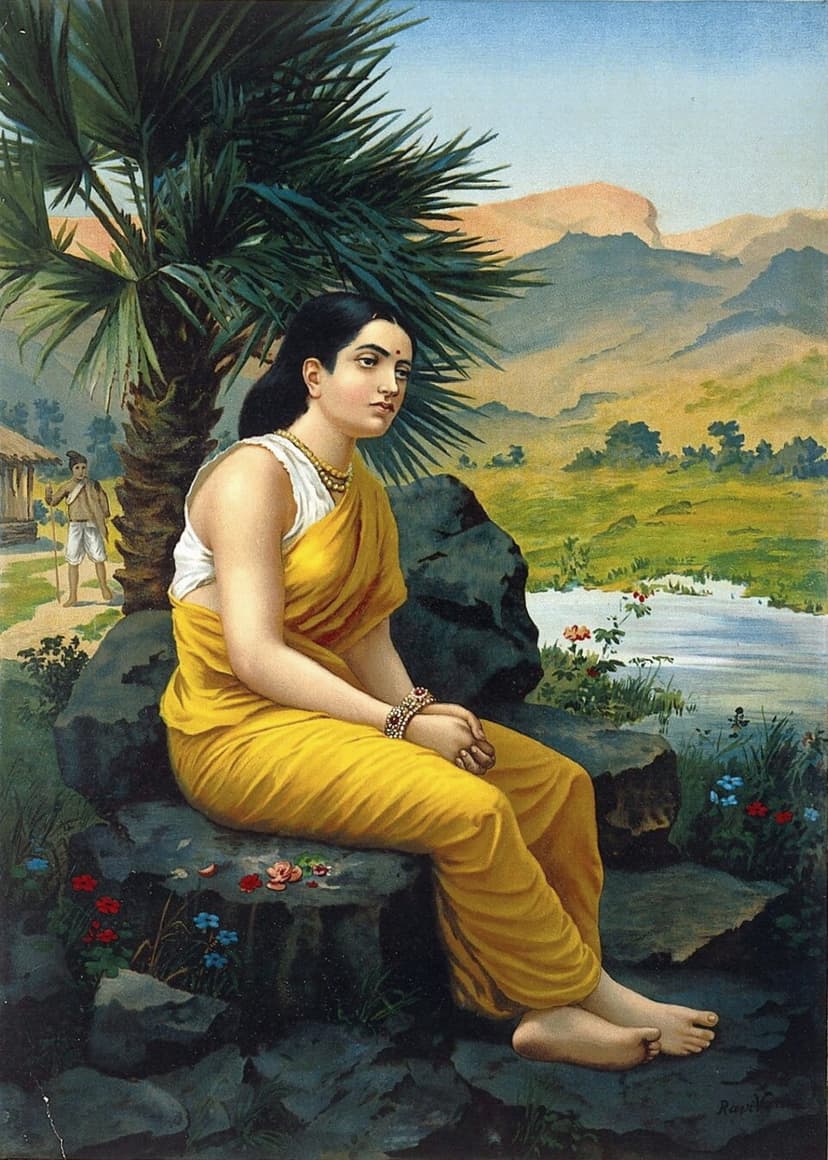
Sita
Sita is a revered Hindu goddess, best known as the devoted wife of Rama and the central female figure in the epic Ramayana. She is considered an avatar of Goddess Lakshmi and is revered as the goddess of beauty and devotion. Her life story highlights themes of loyalty, purity, and endurance, making her a significant deity in Hindu traditions, particularly within the Ramanandi Sampradaya.

Indrani
Indrani, also known as Shachi and Paulomi, is the queen of the devas and the consort of Indra, the king of the gods in Hinduism. Revered for her beauty and sensuality, she is also recognized as one of the Sapta Matrikas, or divine mothers. While rarely worshipped independently, she is an important goddess in Shaktism and is often venerated alongside Indra.