
Soma
Chandra, also known as Soma, is the Hindu god of the Moon, revered for his association with the night, plants, and vegetation. He is a significant figure within the Navagraha, the nine celestial bodies influencing destiny in Hindu astrology. Chandra is celebrated for his role in the cosmic balance and his influence on the natural world and human emotions.
Key Facts
- ›Chandra is the Hindu deity personifying the Moon.
- ›He is associated with the night, plants, vegetation, and is considered a Navagraha (one of the nine planets).
- ›In Vedic texts, Soma primarily referred to an intoxicating plant drink and its deity, with identification as a lunar deity being a later development.
- ›He is traditionally married to the 27 daughters of sage Daksha, who represent the lunar mansions (Nakshatras).
- ›Chandra is linked to cycles of waxing and waning, symbolizing recovery and decline.
- ›He plays a crucial role in Hindu astrology, influencing the mind, emotions, and fertility.

Soma, Indu, Shashank, Atrisuta, Shashin, Shachin, Taradhipa, Nishakara, Nakshatrapati, Oshadhipati, Uduraj, Udupati, Kumudanatha, Udupa
White-Colored Deity, Holding A Mace, Riding A Chariot With Three Wheels, Pulled By Three Or More White Horses
Rigveda, Ramayana, Mahabharata, Puranas, Devi Bhagavata Purana
- Son of the Sage Atri and His Wife Anasuya
- Son of Dharma
- Father of Budha
- Husband of the 27 Daughters of Daksha
- One of the Ashta-Vasus
- Father of Varchas, Shishira, Prana, and Ramana
Ganesh Chaturthi
Kailasanathar Temple, Thingalur, Chandramoulisvarar Temple, Arichandrapuram, Parimala Ranganatha Perumal Temple, Thiruvaragunamangai Perumal Temple
Budha, Varchas, Shishira, Prana, Ramana
Mace
Hare
Deity, King of Stars and Medicines
About Soma
Chandra: The Lord of the Moon
Chandra, also known by the name Soma, is the Hindu god who personifies the Moon. He is a significant deity within Hinduism, particularly recognized as one of the Navagraha, the nine celestial bodies that influence destiny in Hindu astrology. Chandra is venerated for his association with the night, the growth of plants and vegetation, and the calm, reflective aspects of the cosmos.
Origins and Vedic Significance
The name Soma originally referred to an intoxicating and energizing plant drink central to Vedic rituals, and the deity representing it. While the identification of Soma as a lunar deity is debated among scholars, evidence suggests this association emerged in later Vedic hymns and became firmly established in post-Vedic literature. In the Vedas, Soma was praised as the lord of plants and forests, and Mandala 9 of the Rigveda is dedicated to him. This early prominence highlights his importance in ancient Indian civilization.
Later Myths and Iconography
In the epics and Puranas, Chandra is consistently portrayed as the Moon deity, often described as the son of the sage Atri and his wife Anasuya. His iconography typically depicts him as a white-colored deity holding a mace, riding in a chariot with three wheels pulled by several white horses. A prominent narrative involves his illicit relationship with Tara, the wife of the preceptor Brihaspati, which led to cosmic conflict and the birth of their son, Budha. Another significant myth recounts his marriage to the 27 daughters of sage Daksha, who represent the lunar mansions (Nakshatras). Chandra's special affection for Rohini among his wives led Daksha to curse him with consumption, an affliction that explains the waxing and waning of the Moon as he periodically bathes in sacred waters to recover.
Astrological and Cultural Importance
Chandra holds a crucial place in Hindu astrology, influencing the mind, emotions, and fertility. His lunar phases are believed to affect human behavior, agriculture, and the timing of rituals. The word 'Monday' in the Hindu calendar, 'Somavara,' is derived from his name. Chandra's role extends to being a protector against eclipses, as he and Surya alerted Vishnu to the deception of Rahu during the Samudra Manthan. His influence is also seen in the naming of India's lunar orbiters as Chandrayāna.
Sacred Sites and Worship
Chandra is worshipped in various temples, including dedicated Navagraha temples, and shrines within larger temples across India. Notable among these are the Kailasanathar Temple in Thingalur and the Chandramoulisvarar Temple in Arichandrapuram. His worship is integral to maintaining cosmic balance and understanding the cycles of nature and human experience.
Source: Wikipedia ↗
Frequently Asked Questions
Who is Chandra in Hinduism?
Chandra is the Hindu god of the Moon, also widely known by the name Soma. He is associated with the night, plants, and vegetation, and is considered one of the nine celestial bodies in Hindu astrology known as the Navagraha.
What is the origin of the name Soma?
The word Soma in the Vedas primarily refers to an intoxicating and energizing plant drink and its deity. In later Hindu mythology, Soma became a common name for Chandra, the Moon deity, who is linked to plants and the moon.
What are Chandra's key mythological stories?
Prominent myths include his illicit relationship with Tara, the wife of Brihaspati, which led to conflict and the birth of Budha. Another significant story involves his marriage to Daksha's 27 daughters and Daksha's curse that explains the moon's waxing and waning.
What is Chandra's role in Hindu astrology?
Chandra is crucial in Hindu astrology (Jyotisha), where he is associated with the mind, emotions, and fertility. His phases are believed to influence human behavior, agriculture, and the timing of rituals.
What is Chandra's iconography?
His common iconography depicts him as a white-colored deity, holding a mace, and riding a chariot pulled by three or more white horses. He is also sometimes depicted as the essence of the moon.
Why is Chandra forbidden to be seen on Ganesh Chaturthi?
A legend states that Chandra laughed at Ganesha when he fell from his mount. In anger, Ganesha broke off a tusk and flung it at the Moon, cursing him to never be whole again, leading to the prohibition of beholding Chandra on Ganesh Chaturthi.
Related Hindu deities
Vasuki
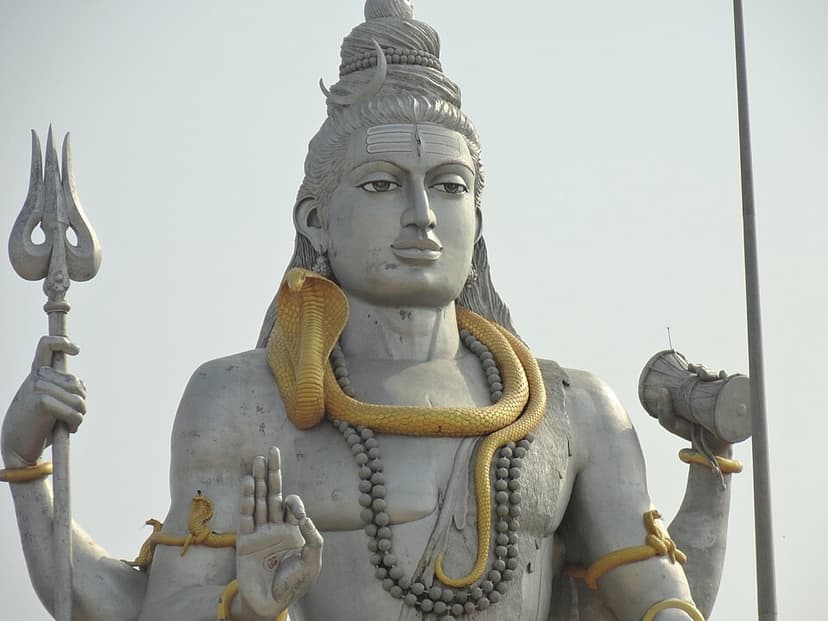
Vasuki is the king of the nagas, a race of serpent deities in Hinduism, renowned for his prominent role in the Samudra Manthana myth. He is depicted coiling around Shiva's neck and is known for his jewel, the Nāgamani. Vasuki's lineage traces back to the sage Kashyapa and Kadru, and he is instrumental in saving his kin from a devastating snake sacrifice.

Indra
Indra is the Vedic god of weather and the king of the devas, associated with the sky, lightning, storms, and war. He is most prominently featured in the Rigveda, where he is celebrated for defeating the asura Vritra, thereby releasing life-giving rains and sunshine. While his significance diminished in later Hindu literature, he remains a powerful heroic figure and king of the gods.
Dhruva
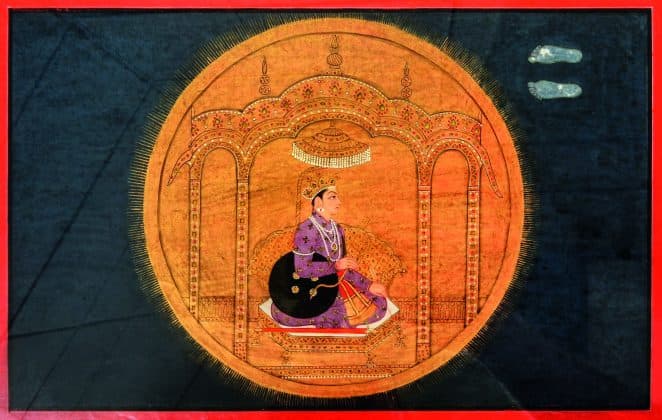
Dhruva was a devoted ascetic of Vishnu, mentioned in the Vishnu Purana and Bhagavata Purana. Born a prince, he undertook severe austerities after being slighted by his stepmother, leading to a divine encounter with Vishnu. His devotion and renunciation earned him the eternal position of the Pole Star.