
Dhumavati
Crow·Female·Mahavidyas
Dhumavati is one of the Mahavidyas, a group of ten Tantric goddesses representing the fearsome aspects of Mahadevi. Often depicted as an old, unattractive widow, she embodies inauspiciousness, poverty, and cosmic dissolution, but also offers ultimate knowledge and liberation. Her worship is particularly suited for those on the fringes of society, bestowing siddhis and protection.
Key Facts
- ›Dhumavati is one of the Mahavidyas, a pantheon of ten Tantric goddesses.
- ›She embodies inauspicious qualities, cosmic dissolution, and the void before creation.
- ›Her iconography often includes a winnowing basket, a crow, and cremation grounds.
- ›Despite her fearsome appearance, she is considered a bestower of boons, ultimate knowledge, and moksha.
- ›Her worship is considered ideal for bachelors, widows, and world renouncers.
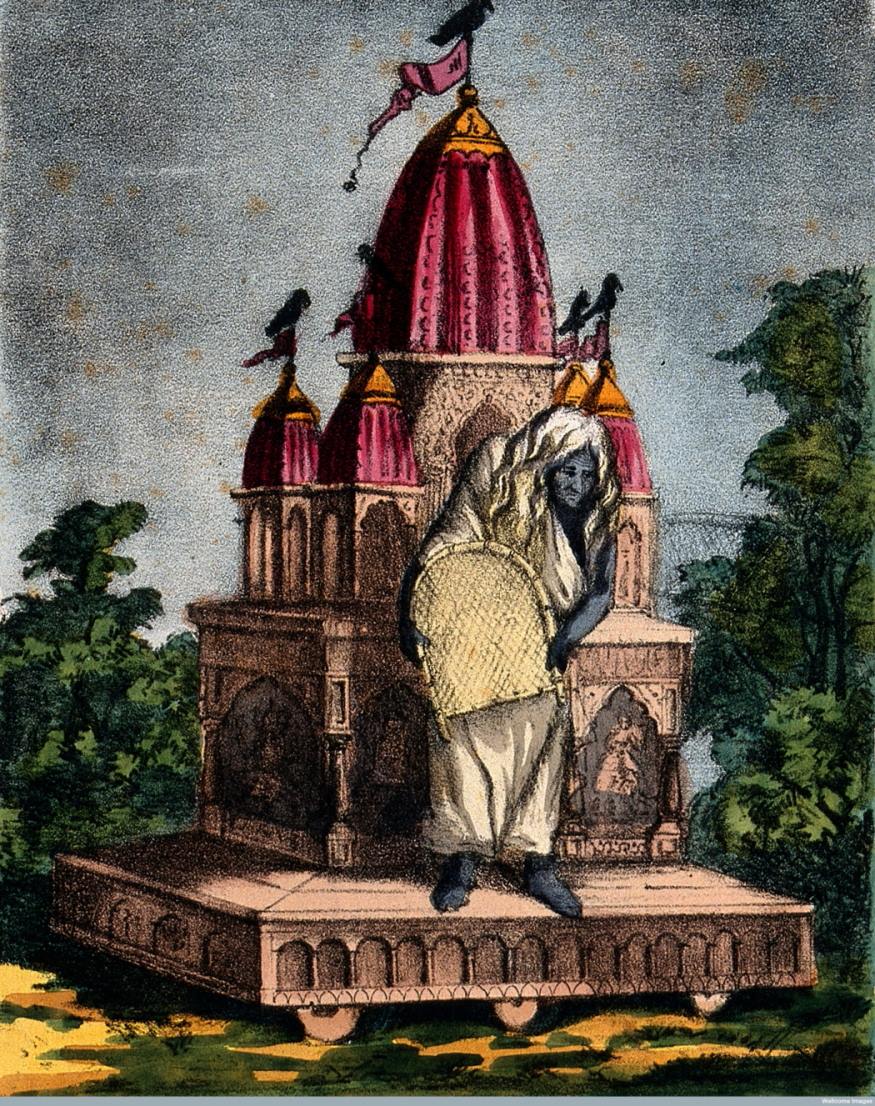
The Smoky One, She Who Abides in Smoke, Smashana-kali
Old Woman, Widow, Thin, Tall, Unhealthy, Pale-Grey Complexion, Dishevelled Hair, Fearsome Eyes, Long Crooked Nose, Missing Teeth, Hanging Breasts, Winnowing Basket, Horseless Chariot, Crow Emblem/Banner, Ornaments of Snakes, Dress of Rags From Cremation Grounds, Spear Or Sword, Skull-Cup, Broom, Torch, Club, Garland of Severed Heads, Crow-Like Features, Cremation Ground Or Pyres In Background, Sitting On A Corpse
Dhumavati Tantra, Guhyatiguhya-Tantra, Mundamala, Shakta Maha-Bhagavata Purana, Devi Bhagavata Purana, Shaktisamgama-Tantra, Pranatosini-Tantra, Prapancasarasara-Samgraha, Shakta Pramoda, Kalarudra-Tantra
Chaturmasya
Varanasi Temple
Spear, Sword, Trident, Club, Buffalo-Horn of Yama
Crow
Widow, Fearsome Aspect of Mahadevi
About Dhumavati
Dhumavati: The Smoky One
Dhumavati, whose name translates to "the smoky one," is a significant goddess in the Hindu tradition, particularly within the Mahavidya group of ten Tantric goddesses. She embodies the fearsome and often inauspicious aspects of Mahadevi, the supreme goddess. Dhumavati represents the void that precedes creation and follows cosmic dissolution, and is associated with elements considered unattractive or unlucky in Hinduism, such as crows and cremation grounds.
Iconography and Symbolism
Her visual representation typically portrays her as an aged, unattractive widow. Key iconographic elements include a winnowing basket, a horseless chariot, or a crow mount. She is often depicted in desolate or unsettling environments like cremation grounds. Despite her fearsome appearance, Dhumavati's symbolism extends to profound spiritual concepts. She is seen as a great teacher who reveals ultimate knowledge, urging devotees to look beyond superficial appearances and seek inner truths. Her hunger and thirst are interpreted as manifestations of unsatisfied desires, and her widowhood symbolizes her independence and transcendence of conventional societal roles.
Mythology and Worship
Dhumavati's origins are closely tied to the Mahavidya pantheon, with some legends suggesting she arose from the smoke of Sati's burning body. Her mythology often highlights her destructive power and insatiable hunger. While associated with inauspiciousness, her thousand-name hymn reveals positive attributes, portraying her as tender-hearted and a bestower of boons. Her worship is considered ideal for those on the fringes of society, such as widows, bachelors, and ascetics, offering them protection, supernatural powers (siddhis), and the ultimate goal of moksha (salvation). However, her worship is generally advised against for married couples, as it can foster a detachment from worldly life.
Dhumavati's worship, often performed at night in secluded places, involves specific mantras and rituals aimed at transcending negativity and acquiring spiritual enlightenment. She represents the power of suffering, through which virtues like patience and detachment can be cultivated. Her presence, though unsettling, is essential for understanding the full spectrum of existence and achieving true knowledge.
Source: Wikipedia ↗
Frequently Asked Questions
Who is Dhumavati?
Dhumavati is a prominent goddess within the Mahavidya group of ten Tantric goddesses in Hinduism. She represents the fearsome aspects of the supreme goddess Mahadevi and is associated with inauspiciousness and cosmic dissolution.
What does Dhumavati symbolize?
Dhumavati symbolizes inauspiciousness, poverty, frustration, despair, and the void that exists before creation and after cosmic dissolution. However, she also represents ultimate knowledge and liberation, teaching devotees to look beyond superficial appearances.
What is Dhumavati's iconography?
Dhumavati is typically depicted as an old, ugly widow, often thin and dishevelled. She is frequently shown carrying a winnowing basket, riding a crow, or in a horseless chariot, often in a cremation ground. Her appearance can include missing teeth, hanging breasts, and a restless demeanor.
What are the benefits of worshipping Dhumavati?
Worshipping Dhumavati is believed to provide protection from all troubles, grant supernatural powers (siddhis), fulfill desires, and bestow ultimate knowledge and moksha (salvation). Her worship is also prescribed for those who wish to defeat their enemies.
Who is Dhumavati associated with in Hindu mythology?
Dhumavati is sometimes associated with earlier goddesses like Nirriti, Alakshmi, and Jyestha, who also represent misfortune and inauspiciousness. Legends describe her as a manifestation of Sati or Kali, and she is linked to Shiva through stories of her consuming and then being rejected by him.
Why is Dhumavati considered inauspicious?
Dhumavati is associated with things considered inauspicious in Hinduism, such as crows, cremation grounds, poverty, and widowhood. Her form is often described as unattractive and fearsome, embodying the negative aspects of life that are normally avoided.
Related Hindu deities

Bagalamukhi
Bagalamukhi is a prominent Hindu goddess, one of the Mahavidyas, representing potent female primeval force. She is known for her power to stun, paralyze, and control enemies, making her a significant deity for those seeking victory and protection. Her iconography often features her pulling a demon's tongue and holding a club, symbolizing her ability to silence and defeat adversaries.
Dakshinamurti
Dakshinamurti is a South-facing aspect of the Hindu god Shiva, embodying him as the ultimate guru, the personification of supreme awareness, understanding, and knowledge. He is revered as the god of wisdom and meditation, teaching yoga, music, and the Shastras, and is depicted as the destroyer of ignorance. His iconography often features four arms, seated under a banyan tree, with a mudra signifying knowledge, and his presence is a significant element in Shiva temples.
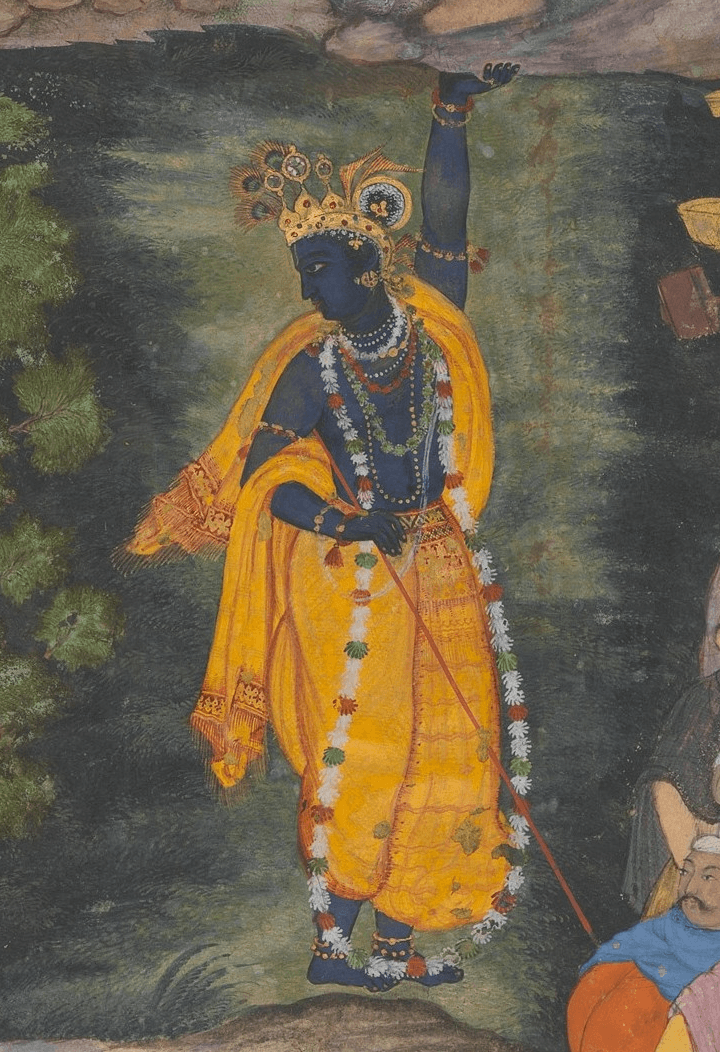
Krishna
Krishna is a major deity in Hinduism, revered as the eighth avatar of Vishnu and also as the Supreme God. He is widely celebrated for his divine qualities of love, compassion, protection, and tenderness. Krishna is a central figure in important scriptures like the Mahabharata and the Bhagavad Gita, where he is depicted as a divine statesman, teacher, and savior of dharma.