
Bipadtarini
Bipadtarini is a Hindu goddess, also known as Bipodtarini or Bipattarini, worshipped primarily in West Bengal, Jharkhand, Orissa, and Assam. She is considered an avatar of Goddess Durga and is invoked for protection and deliverance from troubles. Her legends are recounted during the annual Bipadtarini Vrata, observed by women, and her worship involves rituals like fasting and tying a sacred red thread on the wrist.
Key Facts
- ›Bipadtarini is a Hindu goddess considered an avatar of Durga.
- ›She is worshipped for protection and help in overcoming difficulties.
- ›Her festival, Bipadtarini Vrata, is observed by women, typically in the month of Ashada.
- ›Key rituals include fasting and tying a sacred red thread ('taga') on the wrist.
- ›Legends associated with her are often set in Vishnupur, West Bengal.
- ›She is revered by the Bengali community in Assam and other regions.
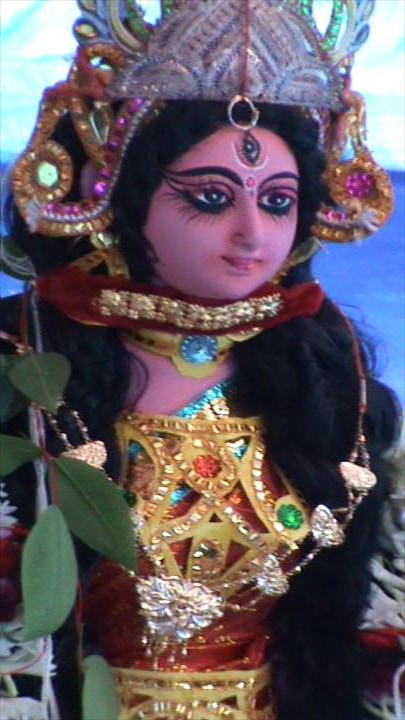
Bipodtarini, Bipottarini, Bipattarini, Bipada Tarini
- Often Depicted As A Form of Goddess Durga
- Associated With the Color Red, As Seen In the Ritual Threads
Avatar of Goddess Durga
Bipadtarini Vrata, Bipadtarini-Puja
- Maa Bipadtarini Mandir, Garia, Kolkata
- Bipadtarini Chandibari, Rajpur, South 24 Parganas
- Vishnupur
About Bipadtarini
Bipadtarini: Deliverer from Troubles
Bipadtarini, also known by variations such as Bipodtarini, Bipottarini, and Bipattarini, is a revered Hindu goddess (Devi) primarily worshipped in the eastern regions of India, including West Bengal, Jharkhand, Orissa, and Assam. She is considered one of the 108 avatars of the mighty Goddess Durga and is invoked by devotees seeking protection and assistance in overcoming life's adversities. Her very name, "Bipada Tarini," signifies her role as the "deliverer from troubles," making her a crucial deity for those facing challenges.
Legend and Worship
The worship of Bipadtarini is intrinsically linked to her legends, which are often narrated during the annual festival dedicated to her, the Bipadtarini Vrata. This sacred vow is predominantly observed by women. The narratives frequently mention Vishnupur, historically the seat of the Mallabhum kingdom in West Bengal, as the setting for her divine interventions. One prominent legend recounts how the queen, facing a king's wrath due to a misunderstanding, prayed fervently to Goddess Durga, who then miraculously transformed the perceived threat into a sacred hibiscus flower, saving her. This story underscores Bipadtarini's power to avert danger and protect her devotees.
The annual Bipadtarini Vrata is a significant event in the religious calendar of many temples in the region. The worship involves several key rituals, including fasting by women on the day of the puja. A distinctive custom is the tying of a sacred red thread, known as a "taga," onto the wrist, which is believed to be imbued with the goddess's blessings. The festival celebrations can extend over several days, often incorporating traditional Bengali folk songs, bhajans, and kirtans, culminating in the immersion (bisorjon) of the goddess's image.
Important Shrines and Reverence
Devotees seek Bipadtarini's blessings during difficult times, believing she offers guidance and safeguarding. In Assam, she is particularly revered by the Bengali community. Important sites of worship include the Maa Bipadtarini Mandir in Garia, Kolkata, and the Bipadtarini Chandibari in Rajpur, South 24 Parganas. The puja, particularly in places like Asansol, can also involve rigorous acts of devotion, such as the "Dandi," where devotees perform full prostrations over a considerable distance to the place of worship after a ritual purification bath.
Source: Wikipedia ↗
Frequently Asked Questions
Who is Bipadtarini?
Bipadtarini is a Hindu goddess, also known as Bipodtarini or Bipattarini, revered for her ability to deliver devotees from troubles. She is considered an avatar of the goddess Durga and is widely worshipped in eastern India, particularly in West Bengal and Assam.
What is Bipadtarini worshipped for?
Bipadtarini is primarily worshipped for protection and to seek help in overcoming difficulties and troubles. Her name itself, 'Bipada Tarini,' literally means 'deliverer from troubles,' highlighting her role as a benevolent deity who intervenes in times of crisis.
When is the Bipadtarini Vrata observed?
The Bipadtarini Vrata is an annual festival observed by women, dedicated to the goddess. It typically falls between the Dwitiya (second day) and Dashami (tenth day) of the Shukla Paksha (waxing moon) in the month of Ashada, often on a Tuesday or Saturday.
What are some significant rituals associated with Bipadtarini worship?
Significant rituals include fasting observed by women on the day of the puja and the tying of a sacred red thread, known as 'taga,' onto the wrist. This taga is considered sacred, having been consecrated through various rituals performed during the festival.
Where is Bipadtarini primarily worshipped?
Bipadtarini is primarily worshipped in the Indian states of West Bengal, Jharkhand, Orissa, and Assam. She is particularly revered by the Bengali community in these regions, with important shrines located in places like Kolkata and South 24 Parganas.
What is the legend behind Bipadtarini?
A key legend involves a queen in Vishnupur who, after being betrayed with beef, prayed to Goddess Durga for help. When the king searched her clothes, he found only a hibiscus flower instead of the meat, signifying the goddess's intervention and establishing her role as a protector.
Related Hindu deities
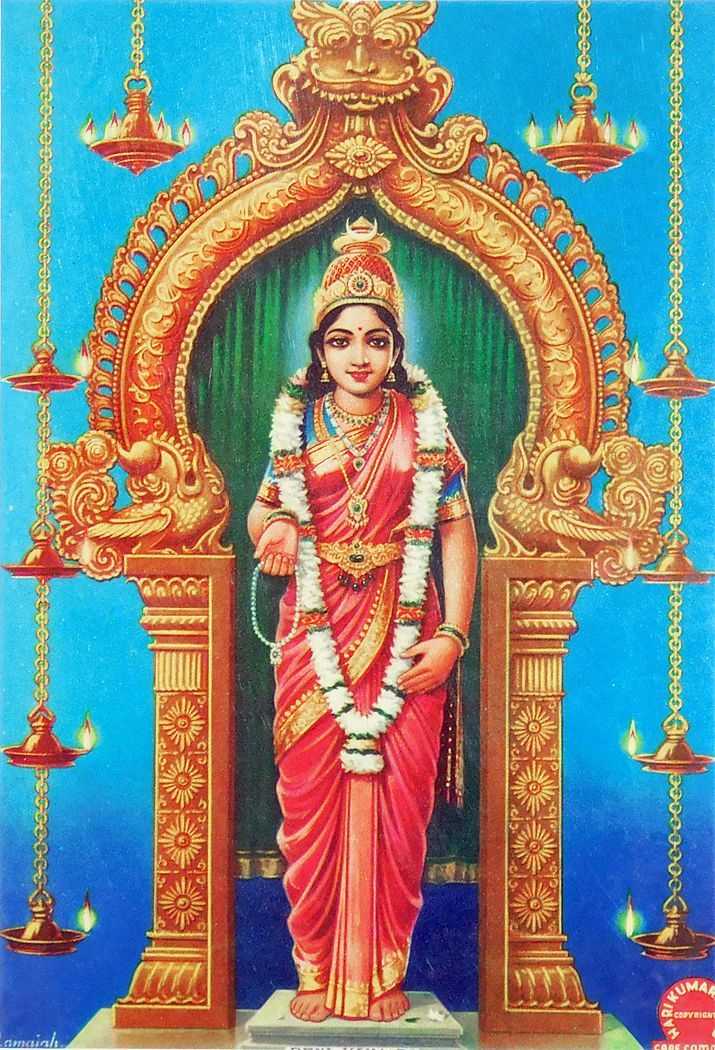
Devi Kanya Kumari
Devi Kanya Kumari is a prominent Hindu goddess, a manifestation of Mahadevi in the form of an adolescent girl. She is revered as a form of Parvati or Lakshmi, and is particularly known for her role in slaying the demon Banasura. Her worship is deeply tied to the town of Kanyakumari at the southernmost tip of India.

Chandraghanta
Chandraghanta is a powerful form of the Hindu goddess Mahadevi, revered as the destroyer of demons and the protector of her devotees. She is the third of the Navadurga and is prominently worshipped on the third day of Navaratri. Her name, meaning 'adorned with the moon as her bell,' refers to the crescent moon on her forehead, and she is depicted with ten arms holding various weapons and a bell.

Narmada
The Narmada River, also known as Narbada or Nerbudda, is the fifth longest river in India and the longest west-flowing river. It is considered a goddess and a mother figure in Hinduism, revered for its sacredness and the banalinga pebbles found in its bed. The river originates from the Amarkantak Plateau and flows through Madhya Pradesh and Gujarat, forming a traditional boundary between North and South India.