
Yan-gant-y-tan
Yan-gant-y-tan is a demon from Brittany, France, known for wandering the nights and carrying five candles on his hand. His name is thought to mean 'Wanderer in the Night' or 'John with the Fire,' and encountering him is considered an evil omen. Despite his ominous nature, he is sometimes depicted as offering light to travelers.
Key Facts
- ›Yan-gant-y-tan is a demon originating from Brittany, France.
- ›His name is interpreted as 'Wanderer in the Night' or 'John with the Fire'.
- ›He is associated with Finistère and wanders during the night.
- ›Yan-gant-y-tan carries five candles on the fingers of his right hand, spinning them like a flaming wheel.
- ›Meeting him is considered an evil omen, though he may also offer light to those in need.
- ›He is often depicted as a wiry old troll or hairy wildman, distinguished by the candles on his hand.

Bad Omens, Night Wanderings
- Carrying and Spinning Five Candles Like A Flaming Wheel
- Stealing Gold Or Gold Chain
- Providing Light To Travelers
Dictionnaire Infernal
Evil Omen
Leaving A Small Bag of Gold Or Gold Chain
Five Candles, Flaming Wheel
About Yan-gant-y-tan
Yan-gant-y-tan is a demon originating from the folklore of Brittany, France. His name is thought to translate to "Wanderer in the Night" or, via Breton, "John with the Fire," connecting to his nocturnal activities and fiery attribute.
Folklore and Appearance
This demon is said to wander the nights, particularly in the Finistère region. His most distinctive feature is the five candles he holds and spins on the fingers of his right hand, creating the appearance of a flaming wheel. This act is performed with such care that he cannot turn quickly for fear of extinguishing the lights. Yan-gant-y-tan is typically described as a wiry old troll or a hairy wildman, with the candles serving as his sole identifying mark among similar creatures.
Omens and Interactions
Encountering Yan-gant-y-tan is considered an evil omen. However, his nature is not entirely malevolent; he is also known to sometimes offer five candles to a traveler in need, thus illuminating their path for the rest of the night. To ward off his ill omen, folklore suggests leaving a small bag of gold or a gold chain near a traveler's post, which Yan-gant-y-tan will steal before moving on.
Source: Wikipedia ↗
Frequently Asked Questions
What does the name Yan-gant-y-tan mean?
The name Yan-gant-y-tan is believed to mean 'Wanderer in the Night' or, through a cognate to Breton, 'John with the Fire'. This etymology connects to his nocturnal wanderings and the fiery candles he carries.
What is Yan-gant-y-tan known for in folklore?
In Brittany folklore, Yan-gant-y-tan is known for wandering the nights in Finistère, holding five spinning candles on his hand. His appearance is considered an evil omen, and he is often depicted as a troll or wildman.
How can one ward off the bad omen of Yan-gant-y-tan?
A method to ward off the bad omen of Yan-gant-y-tan is to leave a small bag of gold or gold chain around a traveler's post. Yan-gant-y-tan is said to steal these items, after which he will leave for another day.
Does Yan-gant-y-tan have any positive associations?
While primarily an evil omen, Yan-gant-y-tan is also said to sometimes appear and give five candles to a person who has none. This act lights the way for a traveler for the remainder of the night.
What is Yan-gant-y-tan's typical appearance?
Yan-gant-y-tan is often depicted as a wiry old troll or a hairy wildman. The distinguishing feature that sets him apart from other similar creatures is the presence of five candles on his hand.
Related Demons
Ancitif
Ancitif is a demon associated with the 1647 Louviers possessions in Normandy, France. He is specifically named as possessing the body of Sister Barbara of St. Michael during this mass demonic possession incident. The Louviers events, characterized by public exorcisms and confessions of sexual encounters with demons, are often viewed by modern scholars as a blend of religious theater and psychological phenomena.
Leonard
The Dictionnaire Infernal is a foundational book on demonology, first published in 1818 by Jacques Collin de Plancy. It details various demons, often organized by hierarchy, and is notable for its illustrated editions, particularly the 1863 version featuring sixty-nine depictions of demons by Louis Le Breton. The book reflects the author's evolving views on superstition and the supernatural, moving from initial skepticism to a later embrace of Roman Catholic theology.
Ala
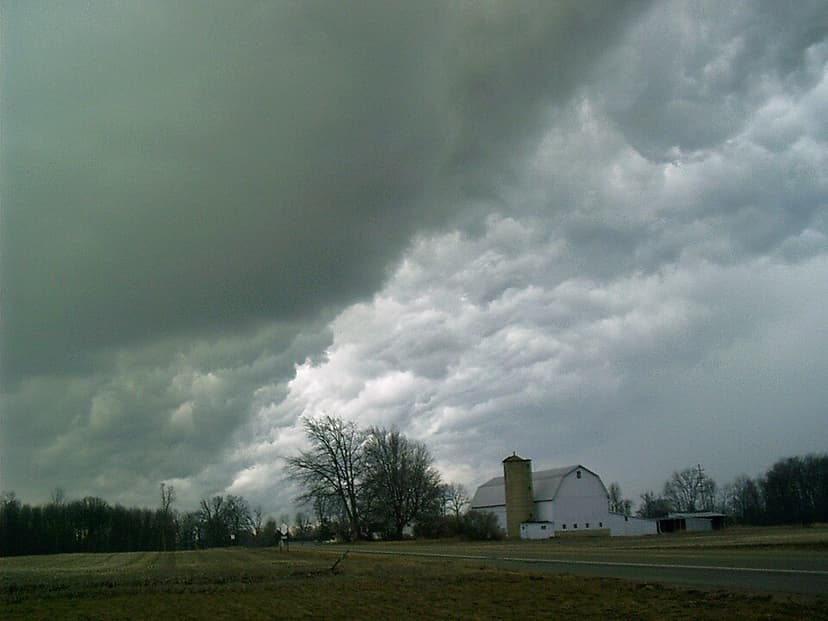
Ala are female mythological beings found in the folklore of Bulgarians, Macedonians, and Serbs, primarily associated with bad weather and destructive hail storms. They are depicted as exceptionally voracious demons, capable of devouring crops, children, and even the Sun or Moon, and are notable for their diverse appearances and the potential benefits they offer to those who approach them with respect.