
Unclean spirit
Unclean spirit is a term used in biblical translations to describe a malevolent spiritual entity, stemming from Hebrew and Greek phrases signifying impurity. Commonly associated with demonic possession, these spirits are depicted as adversaries to divine will and human well-being, often linked to physical and spiritual defilement. Their presence is a recurring theme in the New Testament, particularly in accounts of Jesus's miraculous healings and exorcisms.
Key Facts
- ›The term "unclean spirit" is a translation of the Greek "pneuma akatharton" and the Hebrew "ruaḥ tum'ah."
- ›It appears 21 times in the New Testament in the context of demonic possession.
- ›The concept is linked to physical and spiritual cleanliness, with impurity equating to sin.
- ›In Judaism, unclean spirits can refer to Dybbuks, spirits of deceased persons, or other demonic entities.
- ›In Christianity, Jesus is depicted as having the power to cast out unclean spirits, a significant part of his public ministry.
- ›Unclean spirits are associated with animals considered unclean, liminal areas like ruins and cemeteries, and can transmigrate into other bodies.
Pneuma Akatharton, Spirit of Impurity, Evil Spirit, Spiritus Immundus, Ruaḥ Tum'Ah
Demonic Possession, Impurity, Sin, Illness, Desolation
Possession, Causing Distress, Transmigration Into Other Beings, Speaking Through Possessed Individuals
Septuagint, New Testament, Hebrew Bible, Rabbinic Literature, Pseudepigrapha, Greek Magical Papyri, Testaments of the Twelve Patriarchs
Jesus, Disciples of Jesus, Legion, False Prophets, Apollo
Impurity, Sin, Physical Uncleanliness, Opposition To Divine Will, Deceit, Error
- Exorcism By Jesus and His Disciples
- Fumigation By Incense To Drive Off Spirits
- Ritual Purification Practices Associated With Spells
- Insufflation and Exsufflation
Jesus, Holy Spirit, Divine Authority, Prayers Invoking God's Name
- Similar Concepts of Impure Or Evil Spirits Exist Across Various Ancient Religious Traditions.
- the Distinction Between "Unclean Spirit" and "Evil Spirit" Is Debated Among Scholars.
Frogs, Swine, Ruins, Cemeteries, Deserts
About Unclean spirit
An "unclean spirit" is a term that appears in English translations of biblical texts, most notably the New Testament, to describe a malevolent spiritual entity. This designation is derived from the Greek phrase pneuma akatharton (πνεῦμα ἀκάθαρτον) and its Hebrew equivalent, ruaḥ tum'ah (רוּחַ טוּמְאָה), both signifying impurity or defilement. The concept is deeply intertwined with the ancient and enduring association between physical and spiritual cleanliness, where impurity is equated with sin and opposition to divine will.
Origins and Associations
The concept of unclean spirits has roots in both Jewish and early Christian traditions. In Judaism, references to "spirits of impurity" or "evil spirits" are found in the Hebrew Bible and later Rabbinic literature. These entities are sometimes difficult to distinguish from demons and are often depicted as inhabiting desolate or neglected places. In some instances, unclean spirits are understood as the restless spirits of deceased individuals who have not found peace.
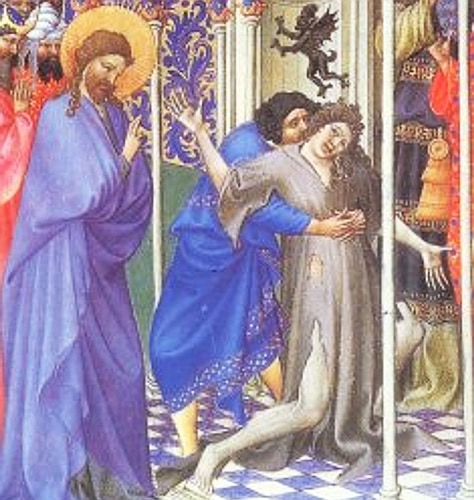
In the New Testament, the term is frequently used in accounts of demonic possession, with 21 occurrences of pneuma akatharton noted. These spirits are portrayed as tormenting individuals and are the direct targets of Jesus's miraculous power. The exorcism of an unclean spirit marks the beginning of Jesus's public ministry, establishing his authority over such malevolent forces. The spirits are sometimes depicted with animalistic traits, such as the "three unclean spirits like frogs" in the Book of Revelation, and are associated with "unclean" animals like pigs, as seen in the story of the Gerasene demoniac whose name was Legion.
Roles and Significance
Unclean spirits are generally understood as adversarial beings that seek to corrupt, deceive, and harm humanity. Their influence is often linked to illness, distress, and a departure from spiritual purity. The practice of exorcism, particularly by Jesus and his disciples, was a primary method of liberation from their influence. The association with liminal spaces like ruins and cemeteries further emphasizes their connection to the unholy and the abandoned. While distinct from "evil spirits" (pneuma poneron) or "demons" (daimonion) in some scholarly distinctions, in common New Testament usage, they often function interchangeably as manifestations of demonic power.
Ritual and Symbolism
Ritual practices aimed at repelling or expelling unclean spirits include exorcism, fumigation with incense, and various forms of purification. The conceptualization of spirits as "air in motion" contributed to practices like exsufflation (breathing out) as a means of expulsion. The pig, considered an unclean animal in Jewish dietary law, serves as a symbolic recipient for these spirits in the narrative of the Gerasene demoniac, highlighting their defiled nature. The presence of unclean spirits is seen as a sign of spiritual decay and a challenge to divine order.
Source: Wikipedia ↗
Frequently Asked Questions
What does "unclean spirit" mean in the Bible?
In biblical translations, "unclean spirit" is a rendering of Greek and Hebrew terms that signify impurity or defilement. It refers to a malevolent spiritual entity associated with demonic possession, sin, and spiritual opposition.
Where does the term "unclean spirit" appear in the New Testament?
The Greek phrase "pneuma akatharton" appears 21 times in the New Testament, primarily in the Synoptic Gospels and the Book of Revelation, within the context of demonic possession and exorcisms.
What is the connection between unclean spirits and physical/spiritual cleanliness?
The concept is rooted in the widespread association of physical and spiritual purity. To be virtuous is often seen as being free from the impurity that sin represents, and unclean spirits embody this spiritual defilement.
How are unclean spirits depicted in Judaism?
In Judaism, unclean spirits can refer to the spirits of deceased individuals who were not laid to rest (Dybbuks) or other demonic entities. They are often associated with desolate places and can be difficult to distinguish from demons.
What role do unclean spirits play in the New Testament narratives of Jesus?
The casting out of unclean spirits is a major category of miracles attributed to Jesus. His public ministry begins with such an exorcism, demonstrating his authority over these entities.
Are unclean spirits associated with animals or specific locations?
Yes, unclean spirits are linked to animals considered unclean, such as pigs, and to liminal or desolate areas like ruins, cemeteries, and deserts. This association reflects their impure and disruptive nature.
Related Demons
Legion
Legion is a collective of demons described in the New Testament's synoptic Gospels, notably in the exorcism of the Gerasene demoniac. This multitude of spirits shares a single mind and will, famously identified themselves to Jesus as 'Legion' when asked for their name. The name is significant, potentially referencing the Roman military to symbolize overwhelming power or simply indicating an immeasurable number of demonic entities.

Lucifer
Lucifer is a prominent figure in Christian theology, often identified as a fallen angel and the Devil. He is traditionally associated with the sin of pride and the act of rebelling against God, leading to his expulsion from heaven. The concept of Lucifer has roots in ancient Near Eastern myths and the personification of the planet Venus, evolving through scriptural interpretation and theological development into a key antagonist in Christian belief.
Merihem
The Noonday Demon, also known as the Demon of Noontide, is a figure personifying acedia, a state of spiritual apathy and lack of care. Primarily associated with Christian monastic traditions, this demon is believed to actively tempt ascetics and monastics during the noon hour, causing them to experience restlessness, inattention to duty, and discouragement. It is notable for its ancient roots, appearing in interpretations of biblical psalms and detailed in the writings of early Christian ascetics like Evagrius Ponticus.