
Legion
Christianity·Theology·Ancient Rome/Judea·Demon
Legion is a collective of demons described in the New Testament's synoptic Gospels, notably in the exorcism of the Gerasene demoniac. This multitude of spirits shares a single mind and will, famously identified themselves to Jesus as 'Legion' when asked for their name. The name is significant, potentially referencing the Roman military to symbolize overwhelming power or simply indicating an immeasurable number of demonic entities.
Key Facts
- ›Legion is a collective of demons possessing a single mind and will.
- ›The name 'Legion' was given by the demons themselves to Jesus during an exorcism.
- ›The story of Legion is found in the Gospels of Mark, Luke, and Matthew.
- ›The name 'Legion' may allude to the Roman military, signifying overwhelming power or occupation.
- ›Alternatively, 'Legion' could refer to an immeasurable or uncountable multitude of demons.
- ›In the Gospel accounts, Legion begs Jesus to be cast into a herd of pigs rather than the abyss.
λεγιών
Possession, Demonic Multitude
Collective Consciousness, Possession of Humans, Influence Over Animals
Gospel of Mark, Gospel of Luke, Gospel of Matthew
Jesus of Nazareth
Overwhelming Power, Chaos, Demonic Multiplicity
Jesus of Nazareth
Roman Legion
About Legion
Legion is the collective name given to a multitude of demons in the New Testament, most famously encountered by Jesus of Nazareth during the exorcism of the Gerasene demoniac. This entity is unique in that it represents a group of spirits sharing a single mind and will, identified themselves to Jesus as 'Legion' when asked for their name.
Biblical Accounts
The story of Legion appears in the synoptic Gospels, with the earliest account in the Gospel of Mark. Here, Jesus encounters a man possessed by numerous demons. When Jesus commands the demons to leave, he asks for their name, and they reveal themselves as 'Legion,' a term potentially alluding to the Roman military. Fearing expulsion from the world, they implore Jesus to cast them into a herd of pigs nearby, which he permits, resulting in the pigs drowning in the sea.
The Gospels of Luke and Matthew also recount this event, though with some variations. Luke's version is shorter but retains the name 'Legion.' Matthew's Gospel shortens the narrative further, depicting two possessed men and leaving the demons unnamed.
Significance of the Name
Scholars suggest the name 'Legion' carries significant meaning within its biblical context. It could have been intended to evoke the might and oppressive presence of the occupying Roman army in Judea around 70 AD, thereby highlighting Jesus's superior power over worldly forces. Alternatively, 'Legion' may simply signify an immeasurable or uncountable number of demonic spirits, emphasizing the overwhelming nature of the possession.
Modern Understanding
In modern English, the term 'legion' is often used metaphorically to describe a vast or overwhelming number of something. The biblical narrative of Legion has cemented its place in Christian tradition and popular culture as a representation of intense demonic multiplicity and the power of divine intervention to overcome it.
Source: Wikipedia ↗
Frequently Asked Questions
What is Legion in the New Testament?
Legion is a group of demons described in the synoptic Gospels of the New Testament. They are characterized as a multitude of spirits possessing a single mind and will, encountered by Jesus during the exorcism of the Gerasene demoniac.
Where is the story of Legion found?
The story of Legion is recounted in three of the four Gospels: Mark, Luke, and Matthew. The Gospel of Mark provides the earliest and most detailed account of the encounter.
What does the name 'Legion' signify?
The name 'Legion' has multiple interpretations. It could refer to the Roman military formation, symbolizing overwhelming power or the oppressive nature of Roman occupation. It also signifies an immeasurable or uncountable quantity of demons.
What happened to the demons after Jesus asked their name?
Upon learning their collective name was Legion, the demons feared being cast out of the man and into the abyss. They pleaded with Jesus to instead cast them into a nearby herd of pigs, which he allowed, leading the pigs to rush into the sea and drown.
Are there different versions of the Legion story?
Yes, the Gospels present slightly different accounts. Mark and Luke retain the name Legion and the single possessed man. Matthew's version shortens the narrative, describes two possessed men, and the demons remain unnamed.
Related Demons

Lucifer
Lucifer is a prominent figure in Christian theology, often identified as a fallen angel and the Devil. He is traditionally associated with the sin of pride and the act of rebelling against God, leading to his expulsion from heaven. The concept of Lucifer has roots in ancient Near Eastern myths and the personification of the planet Venus, evolving through scriptural interpretation and theological development into a key antagonist in Christian belief.
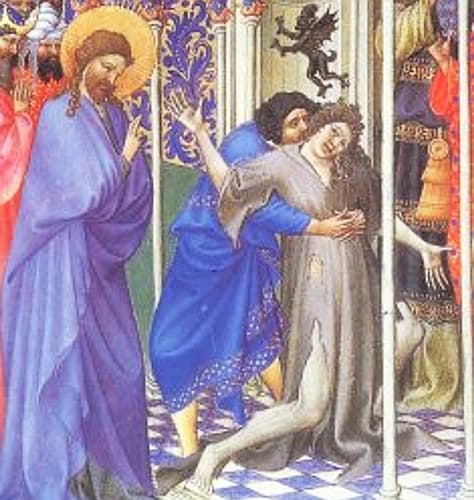
Unclean spirit
Unclean spirit is a term used in biblical translations to describe a malevolent spiritual entity, stemming from Hebrew and Greek phrases signifying impurity. Commonly associated with demonic possession, these spirits are depicted as adversaries to divine will and human well-being, often linked to physical and spiritual defilement. Their presence is a recurring theme in the New Testament, particularly in accounts of Jesus's miraculous healings and exorcisms.
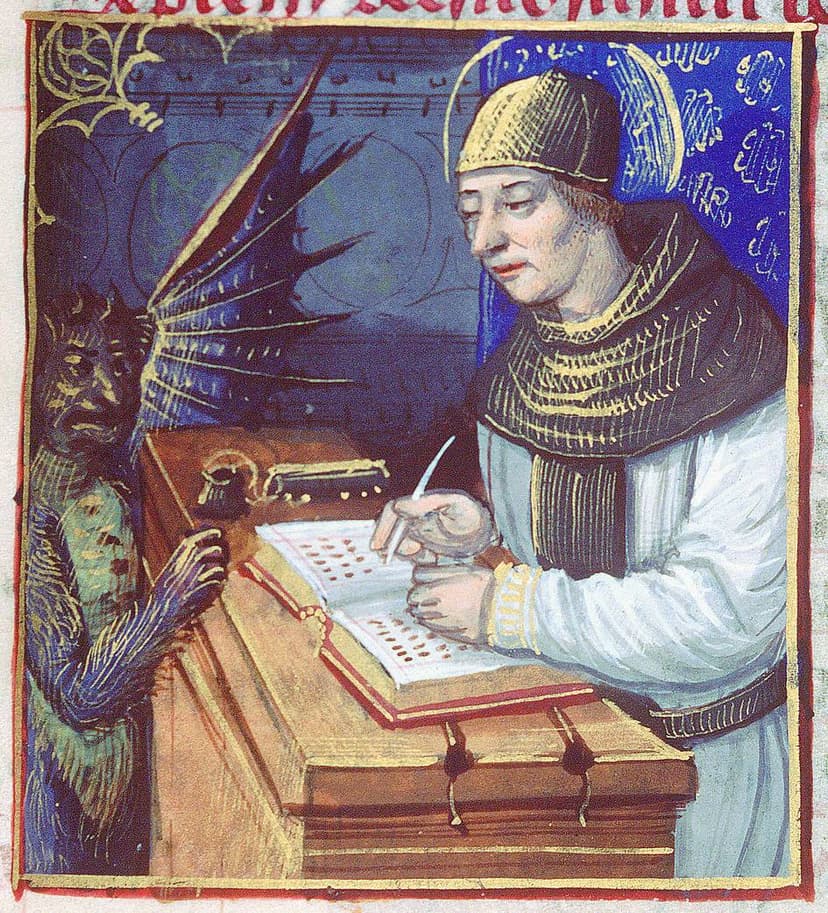
Titivillus
Titivillus is a demon from Christian tradition, primarily associated with collecting errors made by scribes and clerical mistakes during church services. He is notable for his role as a patron demon of scribes and printers, providing an excuse for inevitable errors, and for his later development into a figure of physical comedy and satire in medieval English pageants.