
Lucifer
Lucifer is a prominent figure in Christian theology, often identified as a fallen angel and the Devil. He is traditionally associated with the sin of pride and the act of rebelling against God, leading to his expulsion from heaven. The concept of Lucifer has roots in ancient Near Eastern myths and the personification of the planet Venus, evolving through scriptural interpretation and theological development into a key antagonist in Christian belief.
Key Facts
- ›In Christian theology, Lucifer is believed to be a fallen angel and the Devil, associated with the sin of pride.
- ›The name "Lucifer" originates from the Latin "light-bringer" and was originally the name for the planet Venus, also known as the morning star.
- ›The concept of a heavenly being falling from grace has parallels in ancient Mesopotamian and Canaanite myths.
- ›In the Book of Isaiah, the phrase "Helel ben Shachar" (shining one, son of the morning), referring to the king of Babylon, was later interpreted in Christian tradition as an allegory for Satan's fall.
- ›Lucifer is identified with the Devil in various Christian writings and popular literature, though some theological traditions distinguish between Lucifer and Satan.
- ›In some modern interpretations, Lucifer is venerated as a symbol of freedom and enlightenment, particularly within certain forms of Satanism and esoteric traditions.

Helel Ben Shachar, Morning Star, Daystar, Phosphoros, Eosphoros, Light-Bringer, Shining One, Son of the Morning
Pride, Rebellion, Envy, Enlightenment
Attempting Usurpation of God, Falling From Heaven, Being Cast Down To Earth/Underworld, Leading Rebellion
Book of Isaiah, Vulgate, Dante Alighieri's Inferno, Joost Van Den Vondel's Lucifer, John Milton's Paradise Lost, Gospel of the Secret Supper, Doctrine and Covenants
God, Satan, Jesus, King of Babylon, Aurora, Cephalus
Pride, Self-Deification, Freedom, Enlightenment
God, Jesus, Saints
- In Canaanite Religion, A Parallel Exists With Attar's Attempt To Replace Ba'Al.
- In Babylonian Myth, the Story of Etana Shares A Similar Theme of A Heavenly Being Striving For Power.
- In Gnosticism, Lucifer Is Identified With the Creator Deity and Demiurge.
- In the Latter Day Saint Movement, Lucifer Is the Pre-Mortal Name of the Devil.
- In Arabian Legends, the Star Suhail Is Cast Down From Heaven.
- In Anthroposophy and Theosophy, Lucifer Is Viewed As A Spiritual Force Or Principle Representing Intellect and Freedom.
Morning Star, Torch
About Lucifer
Lucifer is a significant figure in Christian theology, primarily understood as a fallen angel and the embodiment of the Devil. Traditionally, Lucifer is associated with the sin of pride and is believed to have attempted to usurp God's authority, resulting in his banishment from heaven.
Origins and Etymology
The name "Lucifer" itself is derived from Latin, meaning "light-bringer" or "morning star." This name was originally applied to the planet Venus when it appeared in the pre-dawn sky. The concept of a celestial being falling from a high position due to ambition has ancient roots, with parallels found in Mesopotamian myths, such as the Babylonian tale of Etana, and in Canaanite religion, where the god Attar attempted to seize the throne of Ba'al.
Biblical Interpretation and Christian Development
The primary scriptural basis for the Luciferian fall narrative comes from the Book of Isaiah. In chapter 14, a prophetic passage condemns the king of Babylon using the phrase "Helel ben Shachar," meaning "shining one, son of the morning." This phrase, referring to the morning star, was later interpreted by early Christian theologians, including Tertullian and Augustine of Hippo, as an allegory for Satan's rebellion and fall from heaven. This interpretation was further solidified through influential works like Dante Alighieri's Inferno and John Milton's Paradise Lost, which cemented Lucifer's identity as the archetypal fallen angel and primary antagonist of God in Christian tradition.
Variations and Modern Interpretations
While mainstream Christianity views Lucifer as the Devil, other traditions and modern interpretations diverge. In some Gnostic sects, Lucifer was identified with the creator deity or the Demiurge responsible for the material world. Within the Latter Day Saint movement, Lucifer is recognized as the pre-mortal name of Satan. More recently, some forms of Satanism and esoteric philosophies, such as Luciferianism, Anthroposophy, and Theosophy, venerate Lucifer not as an evil entity, but as a symbol of enlightenment, intellectual freedom, and self-deification, viewing him as a bringer of knowledge and a liberator.
Despite the diverse interpretations, Lucifer remains a powerful symbol of rebellion, pride, and the complex interplay between light and darkness in religious and cultural discourse.
Source: Wikipedia ↗
Frequently Asked Questions
What does the name Lucifer mean?
The name Lucifer is derived from Latin, meaning "light-bringer" or "morning star." It was originally the name for the planet Venus when it appeared in the morning sky.
What is Lucifer's role in Christian theology?
In Christian theology, Lucifer is widely believed to be a fallen angel, the chief adversary of God, and the personification of the Devil. He is often associated with pride and rebellion against divine authority.
Where does the story of Lucifer's fall originate?
The Christian concept of Lucifer's fall is largely inspired by interpretations of the Book of Isaiah, which describes the downfall of the king of Babylon using imagery later applied to a fallen celestial being. Parallels can also be found in older Mesopotamian and Canaanite myths.
Is Lucifer always depicted as evil in all traditions?
While Lucifer is predominantly portrayed as the antagonist in mainstream Christian theology, some modern spiritual and esoteric traditions, such as Luciferianism, venerate Lucifer as a symbol of enlightenment, freedom, and intellectualism, viewing him as a bringer of knowledge rather than an evil entity.
How did the name for the planet Venus become associated with the Devil?
The association arose from the interpretation of Isaiah 14:12, which uses the term "Helel ben Shachar" (morning star) to describe the fallen king of Babylon. Christian theologians later applied this imagery to Satan's fall from heaven, conflating the morning star with the adversarial figure.
Related Demons

Xaphan
Xaphan is a fallen angel who joined Lucifer's rebellion against God, and is identified as a demon of the second rank. He is notable for proposing to set fire to Heaven during the revolt and has since been depicted as fanning the flames of Hell's furnaces. His emblem is a bellows.
Legion
Legion is a collective of demons described in the New Testament's synoptic Gospels, notably in the exorcism of the Gerasene demoniac. This multitude of spirits shares a single mind and will, famously identified themselves to Jesus as 'Legion' when asked for their name. The name is significant, potentially referencing the Roman military to symbolize overwhelming power or simply indicating an immeasurable number of demonic entities.
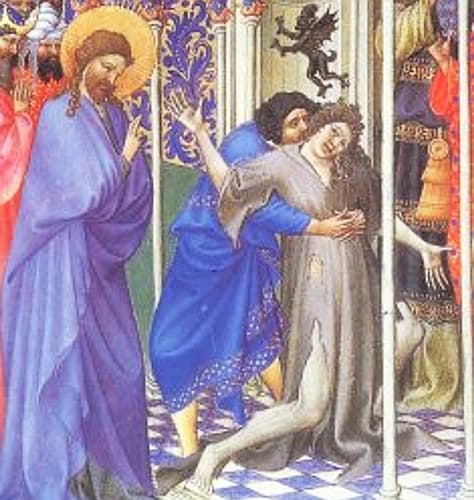
Unclean spirit
Unclean spirit is a term used in biblical translations to describe a malevolent spiritual entity, stemming from Hebrew and Greek phrases signifying impurity. Commonly associated with demonic possession, these spirits are depicted as adversaries to divine will and human well-being, often linked to physical and spiritual defilement. Their presence is a recurring theme in the New Testament, particularly in accounts of Jesus's miraculous healings and exorcisms.