
Titivillus
Christianity·Demonology·Medieval Europe (primarily England)·Demon
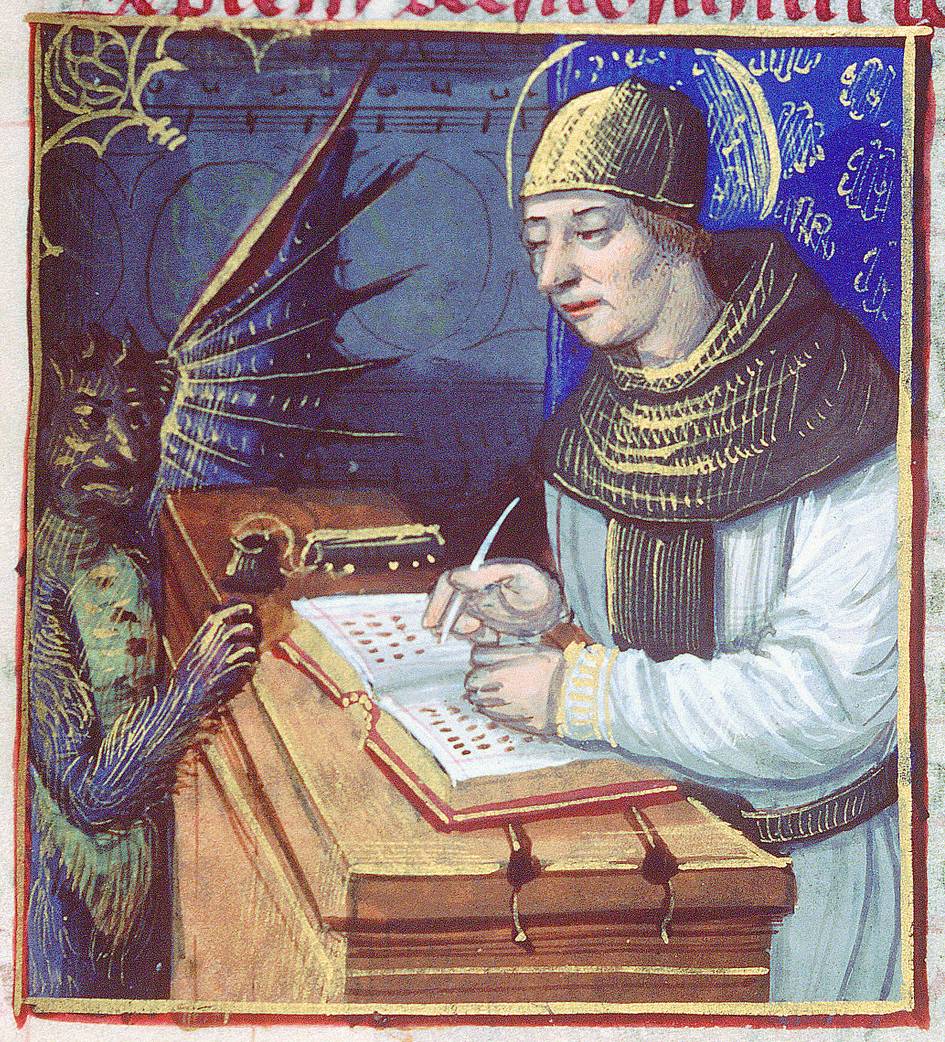
Titivillus is a demon from Christian tradition, primarily associated with collecting errors made by scribes and clerical mistakes during church services. He is notable for his role as a patron demon of scribes and printers, providing an excuse for inevitable errors, and for his later development into a figure of physical comedy and satire in medieval English pageants.
Key Facts
- ›Titivillus is a demon in Christian tradition who collects errors made by scribes.
- ›He is also said to collect idle chat, mispronounced, mumbled, or skipped words during church services.
- ›The first known reference to Titivillus by name is in Johannes Galensis's Tractatus de Penitentia, C. 1285.
- ›He is referred to as the "patron demon of scribes" and "patron demon of printers."
- ›Titivillus gained a broader role as a subversive figure of physical comedy in late medieval English pageants.
- ›His function of collecting liturgical errors in a sack was first mentioned by Jacques de Vitry in the 1220s.
Tytyvyllus, Titivillus, Tutivillus, Tytivillum, Tintillus, Tantillus, Tintinillus, Titivilitarius, Titivitilarius, Titivilus
Errors In Manuscripts, Clerical Mistakes, Idle Chat, Mispronounced Words, Mumbled Words, Skipped Words, Scribal Negligence, Human Vanities
Collecting Errors and Omissions, Collecting Idle Chat, Collecting Misspoken Words, Introducing Errors Into Documents, Causing Physical Comedy and Satire
Tractatus De Penitentia, Sermones Vulgares, the City of God, Myroure of Oure Ladye, Iudicium, Mankind
Johannes Galensis, Jacques De Vitry, Caesarius of Heisterbach, Anatole France, Augustine of Hippo
Negligence, Error, Scribal Fault, Clerical Error, Human Vanity, Subversion, Physical Comedy
- Titivillus Brings A Thousand Sacks of Failings, Negligences In Syllables and Words To His Master Daily.
Uli Der Fehlerteufel
Sack
About Titivillus
Titivillus is a demon from Christian tradition, primarily known for his role in collecting errors made by scribes and clerical mistakes during church services. He first gained a named presence in the written record around 1285 with Johannes Galensis's Tractatus de Penitentia, though the concept of a demon gathering liturgical omissions in a sack dates back to the 1220s with Jacques de Vitry's Sermones vulgares.
Role and Significance
Often referred to as the "patron demon of scribes" and "patron demon of printers," Titivillus served as a convenient scapegoat for the inevitable errors that crept into manuscripts during copying. Later interpretations, such as those attributed to the writer Anatole France, also cast him as a figure who actively introduced errors into documents. Beyond his association with textual accuracy, Titivillus evolved in late medieval English pageants into a character embodying physical comedy and satirical commentary on human vanities, notably appearing in plays like the Towneley Cycle's Iudicium and the play Mankind.
Origins and Name
The demon's function of collecting errors in a sack echoes a passage from the Gospels (John 6:12) where disciples are instructed to "Gather up the broken pieces." The name "Titivillus" itself is theorized to have possible roots in the Roman goddess Tutilina, who protected stored grain. André Vernet suggests that the name, along with its variants (such as Tutivillus, Tytivillum, and Tintillus), may have originated from a series of copyists' errors encountered in ancient texts, including potentially Augustine of Hippo's The City of God.
Modern Presence
Titivillus continues to be a subject of interest, appearing in modern popular culture. He has been incorporated into the role-playing game Dungeons & Dragons as the demon "Titivilus," and has been featured as a character or motif in literary works such as Michael Ayrton's Tittivulus: or The Verbiage Collector and Eley Williams's The Liar's Dictionary.
Source: Wikipedia ↗
Frequently Asked Questions
What is Titivillus known for in Christian tradition?
Titivillus is a demon known for collecting errors made by scribes and mistakes during church services. He is often cited as a patron demon for those who copy texts or print, offering a ready explanation for inevitable inaccuracies.
When was Titivillus first mentioned by name?
The demon Titivillus was first mentioned by name in the work Tractatus de Penitentia, written around 1285 by Johannes Galensis (John of Wales). However, the concept of a demon collecting liturgical errors predates this by several decades.
What is Titivillus's role in medieval English pageants?
In late medieval English pageants, Titivillus evolved into a subversive character associated with physical comedy. He offered satirical commentary on human vanities and played antagonistic roles, such as in the play Mankind.
What is the origin of Titivillus's name?
The name "Titivillus" may derive from the Roman goddess Tutilina, who guarded stored grain, as suggested by André Vernet. It is theorized that "Titivillus" and its variants could have arisen from a series of copyists' errors in texts like Augustine's City of God.
Is Titivillus still relevant today?
Titivillus has appeared in modern contexts, including the role-playing game Dungeons & Dragons, and has been featured in books such as Michael Ayrton's Tittivulus: or The Verbiage Collector and Eley Williams's The Liar's Dictionary.
Related Demons
Merihem
The Noonday Demon, also known as the Demon of Noontide, is a figure personifying acedia, a state of spiritual apathy and lack of care. Primarily associated with Christian monastic traditions, this demon is believed to actively tempt ascetics and monastics during the noon hour, causing them to experience restlessness, inattention to duty, and discouragement. It is notable for its ancient roots, appearing in interpretations of biblical psalms and detailed in the writings of early Christian ascetics like Evagrius Ponticus.
Legion
Legion is a collective of demons described in the New Testament's synoptic Gospels, notably in the exorcism of the Gerasene demoniac. This multitude of spirits shares a single mind and will, famously identified themselves to Jesus as 'Legion' when asked for their name. The name is significant, potentially referencing the Roman military to symbolize overwhelming power or simply indicating an immeasurable number of demonic entities.
Unclean spirit
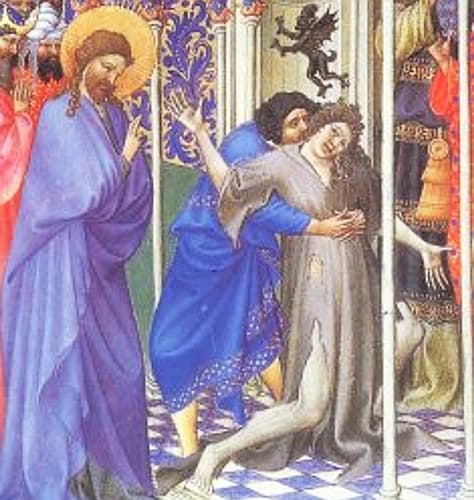
Unclean spirit is a term used in biblical translations to describe a malevolent spiritual entity, stemming from Hebrew and Greek phrases signifying impurity. Commonly associated with demonic possession, these spirits are depicted as adversaries to divine will and human well-being, often linked to physical and spiritual defilement. Their presence is a recurring theme in the New Testament, particularly in accounts of Jesus's miraculous healings and exorcisms.