
Merihem
Christianity·Demonology·Mediterranean·Demon
The Noonday Demon, also known as the Demon of Noontide, is a figure personifying acedia, a state of spiritual apathy and lack of care. Primarily associated with Christian monastic traditions, this demon is believed to actively tempt ascetics and monastics during the noon hour, causing them to experience restlessness, inattention to duty, and discouragement. It is notable for its ancient roots, appearing in interpretations of biblical psalms and detailed in the writings of early Christian ascetics like Evagrius Ponticus.
Key Facts
- ›The Noonday Demon is a personification of acedia, a Greek term meaning 'to lack care'.
- ›It is believed to be active during the noon hour, typically between ten in the morning and two in the afternoon.
- ›Its primary victims are monastics, whom it tempts with restlessness, excitability, and inattention to duty.
- ›The concept has roots in interpretations of Psalm 91:6 in the Hebrew Bible, Septuagint, and Vulgate.
- ›Evagrius Ponticus described its effects as exhaustion, listlessness, sadness, aversion to ascetic life, and yearning for worldly comforts.
- ›Counter-methods include tears, balancing prayer and work (ora et labora), using scripture against negative thoughts, meditating on mortality (memento mori), and perseverance in duty.
Noonday Devil, Demon of Noontide, Midday Demon, Meridian Demon, Daemon Qui Etiam Meridianus Vocatur, Daemonium Meridianum
Acedia, Restlessness, Inattention To Duty, Discouragement, Spiritual Apathy
- Induces Restlessness and Excitability
- Causes Inattention To Duty
- Tempts With Gluttony and Concern For Health
- Diminishes Motivation For Physical Labor
- Causes Neglect of Rules and Duties
- Induces General Discouragement and Questioning of One's Vocation
Psalm 91:6, Writings of Evagrius Ponticus
Evagrius Ponticus
Acedia, Sloth, Lack of Care, Spiritual Weariness, Discouragement
- In Eastern Tradition, Tears Are Seen As An Acknowledgment of the Need For A Savior and A Counter To the Demon's 'Lack of Care'.
- the Practice of 'Ora Et Labora' Is A Counter-Measure.
- the 'Antirrhetic Method,' Using Scripture Or Prayers To Combat Negative Thoughts, Is A Prominent Counter-Method.
- Memento Mori, Meditating On Death, Is Used To Ground Oneself and Encourage Purposeful Action.
- Perseverance In Duty and Maintaining Focus Are Considered Essential Remedies.
- the Term 'Daemonium Meridianum' In the Latin Vulgate and 'Demon of Noonday' In the Septuagint and Orthodox Study Bible Reflect Its Personification, Differing From the King James Version's 'Destruction That Wasteth At Noonday'.
- An Aramaic Paraphrasing Text From the Dead Sea Scrolls Also Speaks of Demons and Spiritual Warfare At Midday, Aligning With the Greek and Latin Translations.
About Merihem
The Noonday Demon
The Noonday Demon, also recognized as the Demon of Noontide or Meridian Demon, is a figure deeply rooted in Christian ascetic tradition, representing a personification of acedia. Acedia, derived from the Greek word 'akēdía' meaning 'to lack care,' describes a state of spiritual apathy, weariness, and disengagement. This demon is believed to be particularly active during the noon hour, typically between ten in the morning and two in the afternoon, preying on individuals, most notably monastics, by inducing restlessness, excitability, and a profound inattention to their spiritual duties and daily responsibilities.
The concept of a destructive force active at midday has ancient antecedents. Psalm 91:6 in the Hebrew Bible speaks of 'destruction that despoils at midday.' This verse was interpreted in the Septuagint (Greek) and Vulgate (Latin) as referring to a specific demon active at noon, a personification captured in phrases like 'daemonium meridianum.' The writings of Evagrius Ponticus, an influential early Christian monk and ascetic, extensively detail the Noonday Demon's influence. He described it as the 'daemon qui etiam meridianus vocatur' (the demon also called meridional), which specifically targeted cenobitic monks with a sentiment characterized by exhaustion, listlessness, sadness, aversion to their ascetic life, and a strong yearning for their former worldly existence and familial ties.
The manifestations of the Noonday Demon are varied but consistently aim to disrupt spiritual discipline. These include an overwhelming urge to change scenery and a general restlessness, making it difficult to remain in one place or focus on tasks. It also manifests as heightened concern for one's health and security, often tempting those who fast with thoughts of gluttony and physical discomfort, thereby swaying them from their duties. Monastics under its influence may experience a loss of motivation for physical labor, particularly during the hottest part of the day, and a tendency to neglect their prayers and duties, feeling overwhelmed by their responsibilities. Ultimately, this influence often leads to general discouragement, potentially causing individuals to question their chosen vocation, and can culminate in a form of nervous depression.
Counteracting the Noonday Demon involves various spiritual and practical methods. Tears are viewed in Eastern Christian tradition as an 'acknowledgment of one's need for a Savior,' directly opposing the demon's essence of 'lack of care.' The principle of 'Ora et labora,' meaning the balance of prayer and work, is considered a strict requirement for warding off its influence. The 'antirrhetic method,' which involves using scripture or prayers to combat negative or intrusive thoughts—a technique exemplified by Jesus's temptations in the desert—is also a prominent defense. Meditating on mortality, known as 'memento mori,' serves to ground individuals in their purpose and encourage decisive action. Finally, simple perseverance in one's duties, maintaining focus and activity, is described as the most essential remedy for keeping the Noonday Demon at bay.
Source: Wikipedia ↗
Frequently Asked Questions
What is the Noonday Demon?
The Noonday Demon is a spiritual entity personifying acedia, a state of apathy and lack of spiritual care. It is believed to influence individuals, particularly monastics, during the noon hours, leading them towards distraction and discouragement.
Where does the concept of the Noonday Demon originate?
The concept has ancient origins, with similar phrases appearing in interpretations of Psalm 91:6 in the Hebrew Bible, the Greek Septuagint, and the Latin Vulgate. Christian ascetics like Evagrius Ponticus further detailed its manifestations and effects.
What are the main effects of the Noonday Demon?
The Noonday Demon causes restlessness, inability to concentrate, heightened concern for physical comfort and health, loss of motivation for work, neglect of duties, and general discouragement. It can lead to questioning one's spiritual path and a sense of nervous depression.
How can one combat the Noonday Demon?
Several methods are suggested for combating the Noonday Demon, including expressing sorrow through tears, maintaining a balance of prayer and work (ora et labora), using scripture and prayers to counter negative thoughts, meditating on mortality (memento mori), and simply persevering in one's duties.
Who is most susceptible to the Noonday Demon?
Christian monastics and ascetics are identified as the most frequent targets of the Noonday Demon. This is due to their structured spiritual lives, which can be disrupted by the demon's influence during periods of quiet or intense spiritual focus.
Related Demons
Titivillus
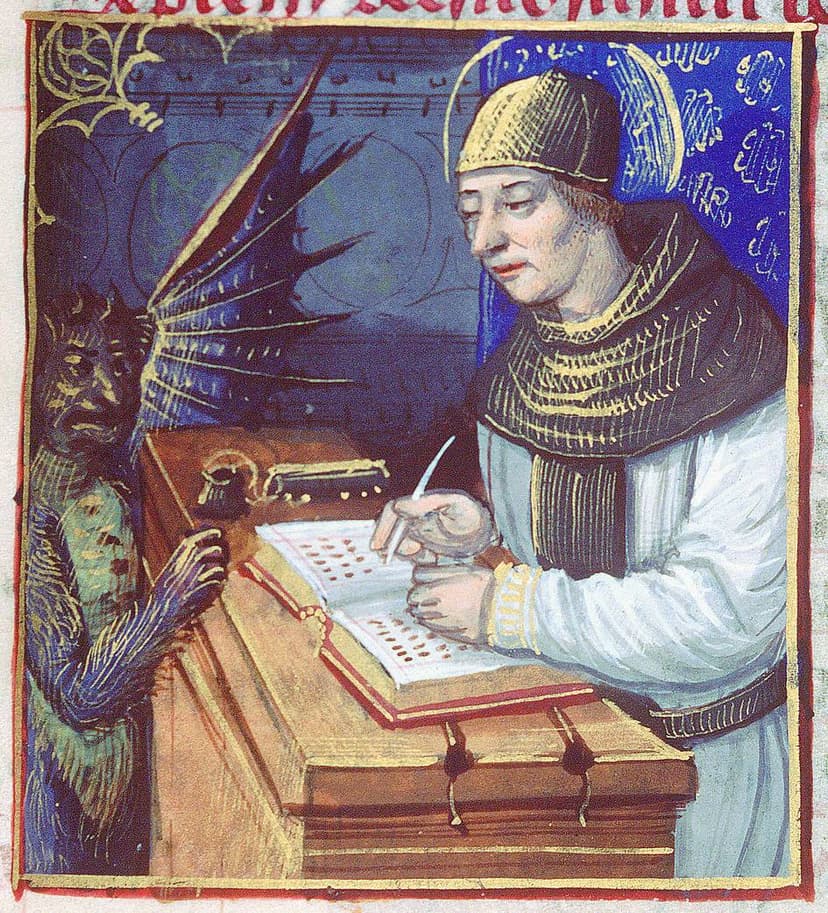
Titivillus is a demon from Christian tradition, primarily associated with collecting errors made by scribes and clerical mistakes during church services. He is notable for his role as a patron demon of scribes and printers, providing an excuse for inevitable errors, and for his later development into a figure of physical comedy and satire in medieval English pageants.
Unclean spirit
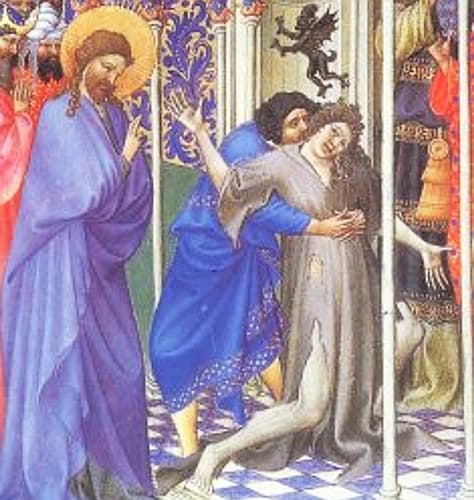
Unclean spirit is a term used in biblical translations to describe a malevolent spiritual entity, stemming from Hebrew and Greek phrases signifying impurity. Commonly associated with demonic possession, these spirits are depicted as adversaries to divine will and human well-being, often linked to physical and spiritual defilement. Their presence is a recurring theme in the New Testament, particularly in accounts of Jesus's miraculous healings and exorcisms.
Legion
Legion is a collective of demons described in the New Testament's synoptic Gospels, notably in the exorcism of the Gerasene demoniac. This multitude of spirits shares a single mind and will, famously identified themselves to Jesus as 'Legion' when asked for their name. The name is significant, potentially referencing the Roman military to symbolize overwhelming power or simply indicating an immeasurable number of demonic entities.