
Shinigami
Japanese religion and folklore·folklore, religion, mythology, literary tradition, popular culture·Japan·kami, demon, spirit, monster
Shinigami are entities from Japanese folklore and religion that are believed to invite humans to their death. They are depicted in various roles, from monsters and creatures of darkness to, in some interpretations, helpers. Their concept has evolved over time, influenced by both native traditions and external ideas, becoming a notable figure in Japanese culture and popular media.
Key Facts
- ›Shinigami are Japanese beings literally meaning 'kami of death' that guide humans towards death.
- ›They are often described as monsters or creatures of darkness but can also be seen as helpers.
- ›In Japanese Buddhism, the Mrtyu-mara (a demon associated with death) and Yama (king of the underworld) are sometimes considered types of shinigami.
- ›Izanami, the goddess who gave humans death in Shinto, is also sometimes viewed as a shinigami.
- ›The term 'shinigami' appears in Edo period ningyō jōruri and classical literature, often in contexts of double suicide.
- ›In some folk beliefs, ignoring certain rituals, like not drinking tea after attending to the sick overnight, could lead to a shinigami's visit.
Kami of Death
Death, Suicide, Possession
- Inviting Humans To Death
- Possessing Humans
- Leading People To Commit Suicide
- Influencing Thoughts To Induce Desire For Death
Yogacarabhumi-Sastra, Ningyō JōRuri, Ehon Hyaku Monogatari, Hogo No Uragaki, ShōZan Chomon Kishū, Mekuranagaya Umega Kagatobi, Death Note
Mara, Mrtyu-Mara, Yama, Ox-Head, Horse-Face, Izanami, Ryuk
Desire For Death, Fleetingness of Life, Darkness
- In Miyajima, Kumamoto Prefecture, It Was Believed That Going Out and Returning To Attend To Someone Through the Night Required Drinking Tea Or Eating Rice Before Sleeping To Avoid A Shinigami's Visit.
- In Hamamatsu, Shizuoka Prefecture, A Shinigami Would Possess People and Lead Them To Places of Death.
- In Okayama Prefecture, Visiting A Grave For Higan During Sunrise Without A Prior Arrangement Could Result In Possession By A Shinigami, Necessitating A Subsequent Visit At Sunset To Avoid This.
- Western Notions of Death Gods Influenced the Perception of Shinigami In Post-War Japan, Leading To Their Conceptualization With More Human-Like Characteristics.
- In Some Buddhist Traditions, the Concept of A Death God Is Not Present, Suggesting That Shinigami May Not Be Universally Recognized Within All Forms of Japanese Buddhism.
About Shinigami
What is a Shinigami?
Shinigami (死神), literally translating to 'kami of death,' are beings in Japanese religion and culture who are believed to guide humans toward death. These entities are often described as monsters or creatures of darkness. However, their roles can vary, and they are sometimes depicted as helpers.
Origins and Traditions
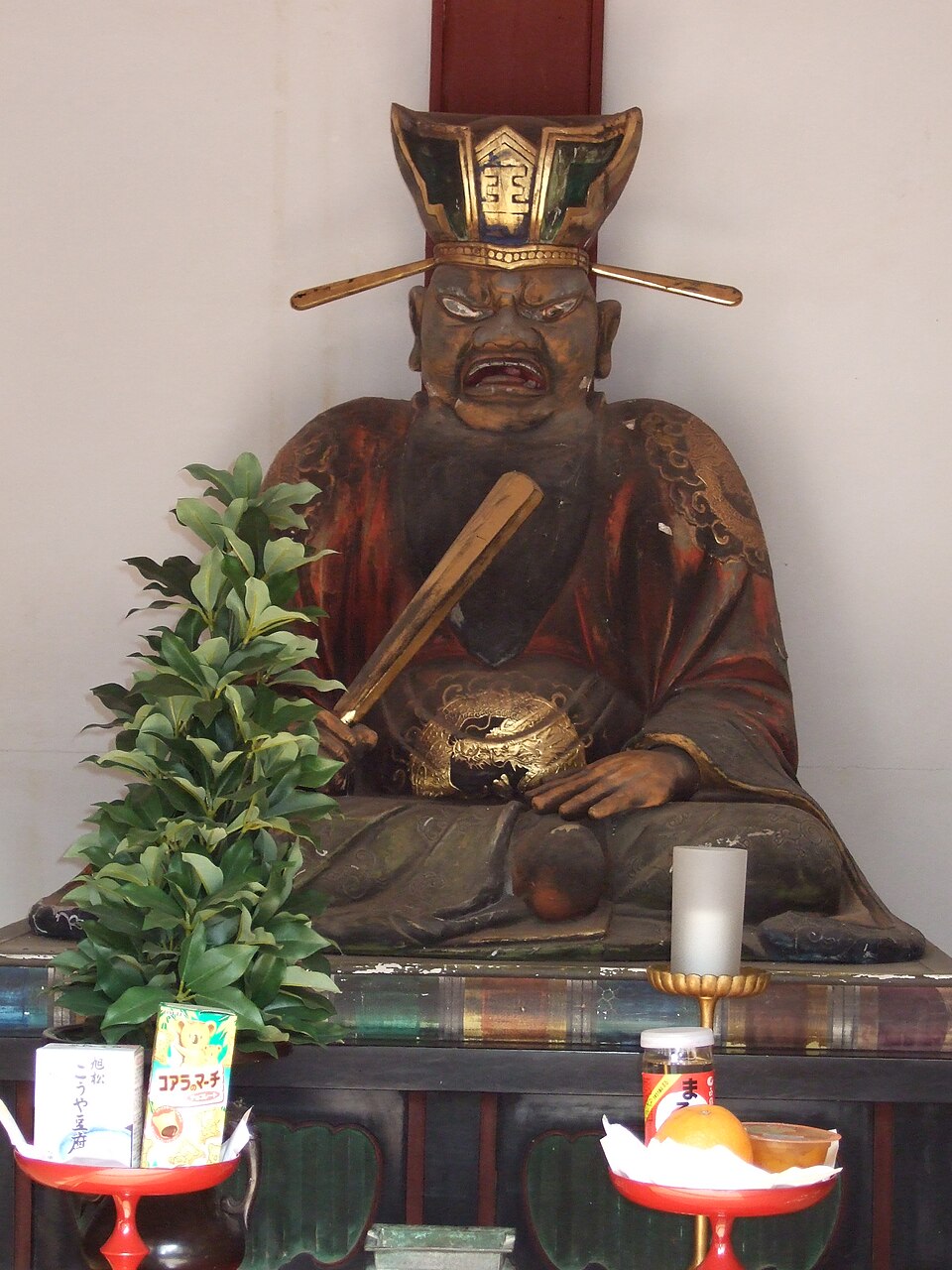
The concept of shinigami draws from various sources within Japanese traditions. In Buddhism, the Mrtyu-mara, a demon associated with death, and Yama, the king of the underworld, are sometimes considered types of shinigami. In Shinto mythology, Izanami, the goddess who brought death to humanity, is also occasionally viewed in this role. It is important to note that some interpretations suggest that certain forms of Buddhism do not recognize the existence of a death god, and the concept of shinigami as distinct death deities may have been influenced by Western ideas of death gods, particularly in post-war Japan.
Literary and Folkloric Appearances
The term 'shinigami' does not appear frequently in early Japanese classical literature. However, it gained prominence during the Edo period, notably appearing in the works of Chikamatsu Monzaemon, particularly in ningyō jōruri (puppet theater) and classical literature that explored themes of double suicide. In these contexts, shinigami are sometimes mentioned as entities that lure individuals towards death or as a metaphor for the fleeting nature of life. Later Edo period writings, such as those in the Ehon Hyaku Monogatari, depict shinigami as malicious spirits of the deceased that act in conjunction with existing ill intentions, leading people to commit similar acts of violence or suicide as those that occurred previously at a location. In folk religion, shinigami are associated with specific beliefs and taboos, such as visiting graves at particular times or the consequences of neglecting certain post-death rituals, which might invite their presence or possession.
Modern Portrayals
Shinigami have become a significant element in modern Japanese popular culture, especially in anime and manga. They are frequently featured in stories involving death, fate, and the supernatural, with their depictions ranging widely in demeanor and function, from benevolent guides to malevolent entities.
Source: Wikipedia ↗
Frequently Asked Questions
What does 'Shinigami' mean?
Shinigami is a Japanese term that literally translates to 'kami of death.' These beings are associated with guiding humans towards their demise in various aspects of Japanese culture and religion.
Are Shinigami always evil?
Shinigami are described in various ways, including as monsters and creatures of darkness. However, they are also sometimes portrayed as helpers, and their nature can be interpreted differently depending on the specific tradition or narrative.
Where do the concepts of Shinigami come from?
The concept of shinigami draws from Japanese religion, particularly Buddhism and Shinto, as well as folklore. Influences from Western ideas of death gods also played a role in their later conceptualization.
Are there specific figures considered Shinigami in Japanese mythology?
Yes, figures like Yama, the king of the underworld, and certain oni (demons or ogres) such as Ox-Head and Horse-Face are considered types of shinigami. Izanami, who brought death to humanity, is also sometimes seen in this role.
When did Shinigami start appearing in literature?
The word 'shinigami' is not widely found in earlier Japanese classical literature. However, it began appearing more frequently in the Edo period, particularly in ningyō jōruri plays and classical literature dealing with themes of double suicide.
How are Shinigami depicted in folk religion?
In folk religion, shinigami are sometimes associated with specific taboos or actions. For instance, ignoring certain post-death rituals or visiting graves at improper times could lead to their visitation or possession.
Do Shinigami appear in modern popular culture?
Yes, shinigami have gained significant prominence in modern popular culture, especially in anime and manga. A notable example is their central role in the series 'Death Note'.
Related Demons
Baku
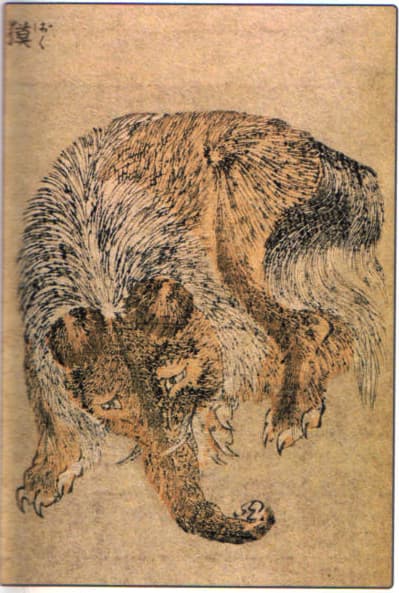
Baku are supernatural beings originating from Chinese folklore, known in Japan for their ability to devour nightmares. These creatures are said to have been formed from leftover pieces of divine creation, and they have a long history in Japanese folklore and art. While traditionally depicted as chimera-like beings, their form and specific attributes have evolved over time.

Hannya
The Hannya is a mask used in traditional Japanese Noh theater, symbolizing a jealous female demon or vengeful spirit (onryō). It is characterized by bull-like horns, metallic eyes, and a leering mouth, and its appearance varies to reflect the intensity of a woman's jealousy, resentment, and anger. The Hannya mask is notable for its ability to convey complex emotions, appearing frightening when viewed directly and sorrowful when tilted.
Mazoku
Mazoku are supernatural beings primarily from Japanese mythology and fantasy, generally referring to evil entities like devils and demons. The term "mazoku" can also encompass beings from other traditions such as Hindu asura and Zoroastrian daeva. A "maō" (demon king) is a ruler of mazoku, or a more general dark lord figure in fiction.