
Hannya
Japanese Noh theater·Theater and Folklore·Japan·Demon mask
The Hannya is a mask used in traditional Japanese Noh theater, symbolizing a jealous female demon or vengeful spirit (onryō). It is characterized by bull-like horns, metallic eyes, and a leering mouth, and its appearance varies to reflect the intensity of a woman's jealousy, resentment, and anger. The Hannya mask is notable for its ability to convey complex emotions, appearing frightening when viewed directly and sorrowful when tilted.
Key Facts
- ›The Hannya mask represents a jealous female demon or onryō in Japanese Noh theater.
- ›Its features include two sharp horns, metallic eyes, and a leering mouth.
- ›The mask's appearance changes to denote varying degrees of a woman's jealousy, resentment, and anger.
- ›It is also known by the alternate name chūnari (中成).
- ›The Hannya mask can convey sorrow through its expression when tilted downwards.
- ›Skin tones of the mask, such as white and red, signify different character refinements or demonic intensity.

ChūNari, Nakanari, Honnari
Jealousy, Resentment, Anger, Vengeance
Conveying Complex Emotions Through Expression, Symbolizing Transformation Into A Demon
- Sarugaku Dangi
- Works of Shimoma Nakataka
- Noh Plays Such As Aoi No Ue, DōJōJi, Kanawa, Kurozuka, Momijigari
- Bunraku Puppet Theater Scripts
Lady Rokujō, Abe No Seimei, Nichiren
Female Jealousy, Obsession, Vengeful Spirits, the Complexities of Human Emotion, Buddhist Concept of Hungry Ghosts
- Used In Shinto Ritual Kagura Dances.
- Can Be Used In Bunraku Puppet Theater, Where A String Mechanism Allows For Facial Transformation.
the Recitation of the Heart Sutra, Abe No Seimei
- Similar Masks Exist In Noh Theater, Such As Namanari , Jya , and Shinjya , Which Are Classified As 'Jya' Masks.
- the Deigan and Hashihime Masks Represent Earlier Stages of Demonic Transformation.
Horns, Metallic Eyes, Leering Mouth, Snake
About Hannya
What is the Hannya?
The Hannya (般若) is a distinctive mask originating from traditional Japanese Noh theater, renowned for its portrayal of a jealous female demon or a vengeful spirit, known as an onryō. Its iconic appearance includes two sharp, bull-like horns, intense metallic eyes, and a wide, leering mouth, designed to evoke fear and sorrow.
Symbolism and Emotion
More than just a frightening visage, the Hannya mask embodies the complex emotional states of women consumed by jealousy, resentment, and obsession. The mask's design allows for a dual expression: when viewed directly, it appears furious and terrifying; when tilted downwards, its features soften to suggest profound sorrow, as if weeping. This ability to convey nuanced emotion is a hallmark of its use in Noh performances. The mask's skin tone also carries symbolic weight, with white representing refined character, red indicating less refined traits, and the darkest red signifying true demonic nature.
Origins and Usage
The term 'Hannya' itself is a Japanese phonetic transcription of the Sanskrit word 'prajñā,' meaning 'wisdom.' While the exact reason for this etymology is debated, hypotheses suggest it may be named after a monk, a line in a Noh play referencing the Heart Sutra's power against spirits, or the wisdom required to create such a mask. The Hannya mask is prominently featured in famous Noh plays such as Aoi no Ue and Dōjōji, as well as in Bunraku puppet theater and Shinto ritual kagura dances. Its striking appearance and deep symbolic resonance have also led to its frequent adaptation and recognition in modern popular culture, appearing in video games, anime, and manga.
Source: Wikipedia ↗
Frequently Asked Questions
What is a Hannya mask?
The Hannya is a mask used in traditional Japanese Noh theater that represents a jealous female demon or vengeful spirit. It is characterized by sharp horns, metallic eyes, and a leering mouth.
What does the Hannya mask symbolize?
It symbolizes the intense jealousy, resentment, and anger of female characters, particularly those who have become demons or onryō due to obsession. The mask's design conveys a range of emotions from fury to sorrow.
How does the Hannya mask express emotion?
The mask's expression can change depending on the angle it is viewed. When looked at straight ahead, it appears frightening and angry. When tilted slightly down, it appears sorrowful, as if crying.
What do the different colors of Hannya masks signify?
Different skin tones carry symbolic meaning. A white mask represents a woman of refined character, while a red mask depicts a less refined character. The darkest red signifies true demons.
In which Noh plays is the Hannya mask used?
The Hannya mask is used in several prominent Noh plays, including Aoi no Ue, Dōjōji, Kanawa, Kurozuka, and Momijigari, often representing female characters who have transformed into demons.
Related Demons
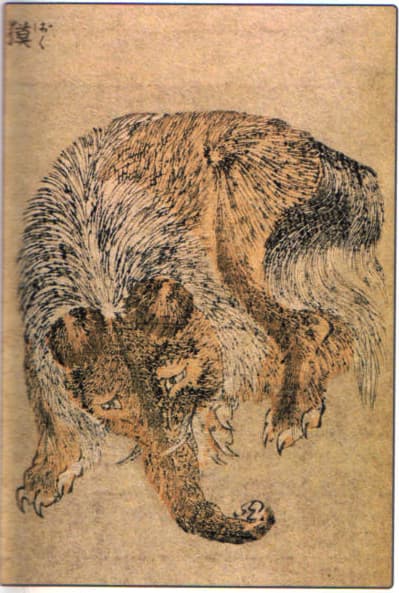
Baku
Baku are supernatural beings originating from Chinese folklore, known in Japan for their ability to devour nightmares. These creatures are said to have been formed from leftover pieces of divine creation, and they have a long history in Japanese folklore and art. While traditionally depicted as chimera-like beings, their form and specific attributes have evolved over time.
Mazoku
Mazoku are supernatural beings primarily from Japanese mythology and fantasy, generally referring to evil entities like devils and demons. The term "mazoku" can also encompass beings from other traditions such as Hindu asura and Zoroastrian daeva. A "maō" (demon king) is a ruler of mazoku, or a more general dark lord figure in fiction.

Oni
Oni are fearsome creatures from Japanese folklore, often depicted as monstrous ogres or demons with superhuman strength, horns, and a propensity for violence. They are associated with natural disasters and the underworld, but their image has softened over time, with some modern interpretations portraying them as protectors or even benevolent figures. Oni are notable for their enduring presence in Japanese art, literature, and popular culture, symbolizing both terror and, in some contexts, good fortune.