
Mazoku
Japanese mythology and fantasy·mythology, folklore, fiction·Japan·demon, devil, supernatural being, dark lord
Mazoku are supernatural beings primarily from Japanese mythology and fantasy, generally referring to evil entities like devils and demons. The term "mazoku" can also encompass beings from other traditions such as Hindu asura and Zoroastrian daeva. A "maō" (demon king) is a ruler of mazoku, or a more general dark lord figure in fiction.
Key Facts
- ›Mazoku are supernatural beings, typically evil, found in Japanese mythology and fantasy.
- ›The term "mazoku" is a general term for devils, demons, and evil beings.
- ›In Japanese polytheism, mazoku are the antonym of shinzoku, "the tribe of gods."
- ›A maō is a ruler of mazoku, analogous to a king or dark lord.
- ›The term "mazoku" has been used to describe beings from Hindu and Zoroastrian traditions.
- ›In fiction, "mazoku" can refer to all evil beings or a specific group, not always evil.
Maō, Daimaō, Akumazoku
Evil, Threat To Human Existence, Opposition To Gods
Japanese Mythology, Japanese Fantasy Literature and Media, Bible Translations
Shinzoku, Satan, Oda Nobunaga, Piccolo Daimaō, ErlköNig
Evil, Antagonism Towards Humans and Gods
Shinzoku
Term Used For Hindu Asura and Yaksha., Term Used For Zoroastrian Daeva., Used For Satan In Bible Translations.
About Mazoku
In Japanese mythology and fantasy, mazoku (魔族) are supernatural beings, typically characterized as evil entities such as devils or demons. The term "mazoku" is a broad classification, often used to denote a "tribe" or "family" of such beings. Historically, this term has also been employed to describe figures from other religious traditions, including the asura and yaksha found in Hindu mythology, and the daeva from Zoroastrianism. In essence, "mazoku" serves as a general descriptor for malevolent supernatural forces.
Maō: The Demon King
A significant subset of mazoku is the maō (魔王), which translates to "demon king" or "devil king." This title signifies a ruler or leader among the mazoku. In fictional contexts, a maō is frequently depicted as a powerful dark lord, an overlord, or the principal antagonist to a hero. In translations of religious texts, such as the Bible, the term "maō" has been used to refer to Satan. In Japanese polytheism, the counterpart to a maō is the "shin'ō" (神王), meaning "king of gods."
Etymology and Usage
The etymology of "mazoku" provides insight into its meaning: "ma" (魔) signifies "devil" or "evil," while "zoku" (族) denotes "tribe," "clan," or "family." This combination suggests beings intended to threaten human existence or oppose divine powers, existing as a collective entity. Conversely, in Japanese polytheism, "mazoku" stands in direct opposition to "shinzoku" (神族), meaning "the tribe of gods." The term "maō" itself is derived from "mazoku," with the addition of "ō" (王), meaning "king" or "ruler."
Mazoku in Fiction
The interpretation of "mazoku" can vary significantly within Japanese fiction. Some narratives employ the term broadly to encompass all evil beings antagonistic to humans or benevolent forces. Others use it to denote a specific kind of supernatural entity, which may not always be inherently evil. To specifically denote malevolent mazoku, the term "akumazoku" (悪魔族) may be used, where "aku" (悪) means "evil." Furthermore, the concept of a "daimaō" (大魔王), or "great demon king," is sometimes used to describe a particularly potent or high-ranking maō, such as Piccolo Daimaō from the "Dragon Ball" series. The term "maō" itself is not gender-specific, and can be applied to female rulers as well, as seen in the Japanese translation of Goethe's "Erlkönig" (Elf King) as "maō."
Source: Wikipedia ↗
Frequently Asked Questions
What does "mazoku" mean in Japanese?
The name "mazoku" is composed of "ma" (魔), meaning devil, and "zoku" (族), meaning tribe, clan, or family. This suggests beings that threaten human existence or defy gods, and are part of a collective group.
What is a "maō"?
A "maō" (魔王) is a ruler of mazoku, or more broadly, a demon king, dark lord, or powerful monster. In fictional contexts, a maō is often an archenemy of a hero.
Are "mazoku" always evil?
While "mazoku" typically refers to evil beings like devils and demons, the meaning can differ in Japanese fiction. Some works use it for all evil enemies of humans, while others apply it to specific groups of beings that are not necessarily evil.
What traditions are associated with the term "mazoku"?
The term "mazoku" has been used to describe beings from Hindu mythology (asura, yaksha) and Zoroastrianism (daeva). It is also used in Japanese polytheism as the opposite of "shinzoku" (gods).
Can "maō" be translated differently?
Yes, "maō" is often translated as "demon king" or "dark lord." For example, Johann Wolfgang von Goethe's "Erlkönig" was translated as "maō" in Japanese. The term "daimaō" (great demon king) denotes a particularly powerful ruler.
Related Demons
Baku
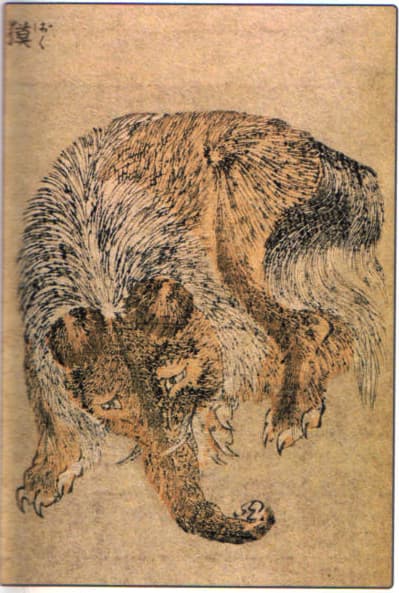
Baku are supernatural beings originating from Chinese folklore, known in Japan for their ability to devour nightmares. These creatures are said to have been formed from leftover pieces of divine creation, and they have a long history in Japanese folklore and art. While traditionally depicted as chimera-like beings, their form and specific attributes have evolved over time.

Hannya
The Hannya is a mask used in traditional Japanese Noh theater, symbolizing a jealous female demon or vengeful spirit (onryō). It is characterized by bull-like horns, metallic eyes, and a leering mouth, and its appearance varies to reflect the intensity of a woman's jealousy, resentment, and anger. The Hannya mask is notable for its ability to convey complex emotions, appearing frightening when viewed directly and sorrowful when tilted.

Oni
Oni are fearsome creatures from Japanese folklore, often depicted as monstrous ogres or demons with superhuman strength, horns, and a propensity for violence. They are associated with natural disasters and the underworld, but their image has softened over time, with some modern interpretations portraying them as protectors or even benevolent figures. Oni are notable for their enduring presence in Japanese art, literature, and popular culture, symbolizing both terror and, in some contexts, good fortune.