
Pazuzu
Mesopotamian religion·Demonology·Mesopotamian (Babylonian, Assyrian)·Demon
Pazuzu is a demon from ancient Mesopotamian religion, known to the Babylonians and Assyrians. While generally considered evil and associated with destructive winds and pestilence, he was also invoked as a protective deity, particularly against the demoness Lamashtu and to safeguard homes and infants. His striking, composite iconography and apotropaic function make him a notable figure in Mesopotamian demonology.
Key Facts
- ›Pazuzu was a demon in ancient Mesopotamian religion, prominent in Babylonian and Assyrian cultures.
- ›He is depicted with a composite form, including a canine face, bulging eyes, a scaly body, a snake-headed penis, and bird talons.
- ›Pazuzu was primarily known as a protective deity, invoked to ward off the demoness Lamashtu and to protect homes, infants, and pregnant women.
- ›He was also associated with destructive winds and pestilence, and in some texts, described as the king of evil wind demons.
- ›Amulets and statues bearing Pazuzu's image were widely used as apotropaic charms.
- ›His iconography remained relatively uniform, featuring a combination of animal and human parts.

Pà.Zu.Zu
Destructive Winds, Pestilence, Protection of Homes, Protection of Infants, Protection of Pregnant Women, Ward Off Evil
Warding Off Demons, Especially Lamashtu, Repelling Evil Influences, Forcing Demons Back To the Underworld, Causing Destructive Winds, Breaking the Wings of Other Wind Demons
Ritual Texts From Uruk, Compendia, Ritual Incantations Against Lamastu, Inscriptions On the Backs of Statues
Lamashtu, Hanbi, Lilû-Demons, the Four Winds, Bes, Ugalla, Lulal, Apkallu
Destruction, Suffering, Agony, Protection, Safeguarding
- Amulets Bearing His Image Were Placed In Dwellings.
- Pregnant Women Wore Amulets With His Head.
- Spells and Incantations Were Used To Gain His Favor.
- Artifacts Were Placed In and Around the Home Or Worn On the Person For Protection.
- Bronze Necklaces Or Amulets of Pazuzu Were Given To Women To Protect Them From Miscarrying.
- Large Amulets Could Be Hung On Walls To Protect Rooms Or Entrances.
- Ritual Texts Prescribed A Pazuzu Head To Banish Sickness.
- A Pazuzu Necklace Was Hung Around An Afflicted Person's Neck In An Incantation Against Lamastu.
Lamashtu, Ugalla, Lulal
- the Egyptian Demon Bes Is Considered A Possible Counterpart Due To Similar Protective Roles, Iconography , and Association With Protecting Mothers and Pregnant Women.
- Pazuzu May Have Absorbed Or Replaced the Protective Function of Earlier Figures Like Humbaba, Whose Heads Were Also Used As Warding Charms.
Scorpion's Tail, Bird Talons, Serpentine Penis, Canine Face, Bulging Eyes, Wings, Gazelle Horns
About Pazuzu
Pazuzu is a significant demonic deity from ancient Mesopotamian religion, widely known to the Babylonians and Assyrians throughout the first millennium BCE. He is characterized by a striking composite iconography, featuring a canine face with bulging eyes, a scaly body, a snake-headed penis, the talons of a bird, and often wings. Pazuzu is recognized as the son of the god Hanbi and is sometimes referred to as the king of the evil lilû-demons, or wind demons.
Roles and Beliefs
Pazuzu held a dual nature in Mesopotamian belief. While generally regarded as an evil entity associated with destructive winds and pestilence, he was also invoked as a beneficent protector. His most prominent protective role was against the dangerous demoness Lamashtu, whom he was believed to be able to force back to the underworld. Consequently, amulets bearing Pazuzu's image were commonly placed in dwellings to safeguard infants and pregnant women from Lamashtu's harm. He functioned as an apotropaic entity, repelling other demons and safeguarding the home.
Iconography and Artifacts
The appearance of Pazuzu remained remarkably consistent across his history. His hybrid form, combining elements of various animals and humans, was intended to inspire fear and deter malevolent forces. Large numbers of artifacts, particularly Pazuzu heads made from materials like terracotta, bronze, and glass, have been discovered. These were often fashioned into necklaces or brooches for personal protection, or hung on walls as protective charms for rooms and entrances. Ritual texts and inscriptions on his statues further attest to his invocation in white magic and protective rituals.
Historical Context and Cultural Connections
Pazuzu first appeared in the Early Iron Age, with his earliest visual depictions dating to the 8th century BCE and textual attestations to the 7th century BCE. His popularity is evidenced by the abundance of artifacts found from the 7th and 6th centuries BCE. Scholars have noted potential connections between Pazuzu and other protective figures, such as the Egyptian demon Bes, due to shared iconographic elements and similar protective functions, particularly concerning mothers and children. He is also associated with the class of lilû (wind) demons and may have inherited aspects from earlier personifications of the Four Winds.
Source: Wikipedia ↗
Frequently Asked Questions
What is Pazuzu?
Pazuzu is a demon from ancient Mesopotamian religion, particularly known to the Babylonians and Assyrians. He is recognized for his hybrid appearance and his dual role as both a source of destructive winds and a protector against other malevolent spirits.
What did Pazuzu look like?
Pazuzu is depicted with a grotesque, composite form. This includes a canine-like face with bulging eyes, a scaly body, a snake-headed penis, the talons of a bird, and often wings. He typically holds his right hand up and his left hand down.
What was Pazuzu's main role?
Pazuzu's primary role was that of a protective deity. He was invoked to ward off the dangerous demoness Lamashtu, who was believed to harm mothers and children. He also served as a guardian of homes against other malevolent forces and destructive winds.
How was Pazuzu depicted in amulets?
Amulets bearing Pazuzu's image, often in the form of his head, were common. These were worn by pregnant women to protect their unborn children or hung in homes to safeguard against evil influences and pestilence. Some amulets were made of terracotta, bronze, iron, gold, glass, or bone.
Is Pazuzu associated with any specific deities or demons?
Pazuzu is most notably associated with the demoness Lamashtu, whom he was believed to drive back to the underworld. He is also considered the son of the god Hanbi and sometimes referred to as the king of the evil lilû-demons (wind demons).
Related Demons

Furfur
Furfur is a powerful Great Earl of Hell, commanding twenty-six legions of demons. Associated with the Goetia tradition, he is notable for his deceptive nature, ability to incite love and storms, and his varied appearances as a deer or angel. He is also recognized in modern popular culture and university folklore.
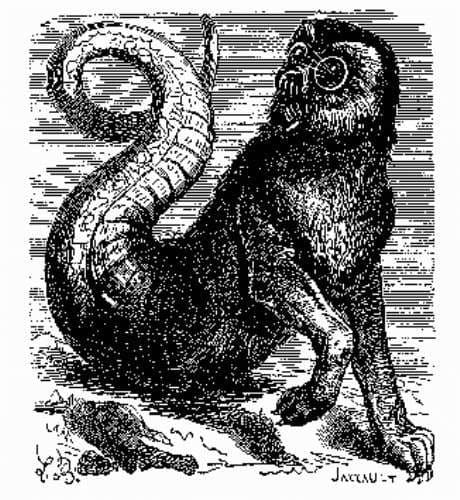
Aamon/Amon
Aamon, also known as Amon, is a Grand Marquis of Hell in demonology, commanding 40 infernal legions according to the Ars Goetia. He is notable for his knowledge of the past and future, his ability to reconcile friends and foes, and his association with life and reproduction. His origins are linked to ancient Libyan and Punic deities.
Agaliarept
Agaliarept is a demon featured in occult texts like the Grimoirium Verum and The Grand Grimoire, where he is described as a high-ranking general directly under Lucifer. He is noted for his ability to uncover secrets and is associated with governing matters related to water. Agaliarept has also been adapted into various modern fictional works, particularly video games and novels.