
Lamashtu
Lamashtu is a fearsome demonic deity from Mesopotamian mythology, characterized by a hybrid appearance and a malevolent nature. She is primarily known for her attacks on infants, pregnant women, and newborns, and was believed to cause miscarriages and cot deaths. Despite being identified as a demoness, her ability to act independently suggests she was also revered as a goddess in her own right, with amulets and talismans used as protection against her.
Key Facts
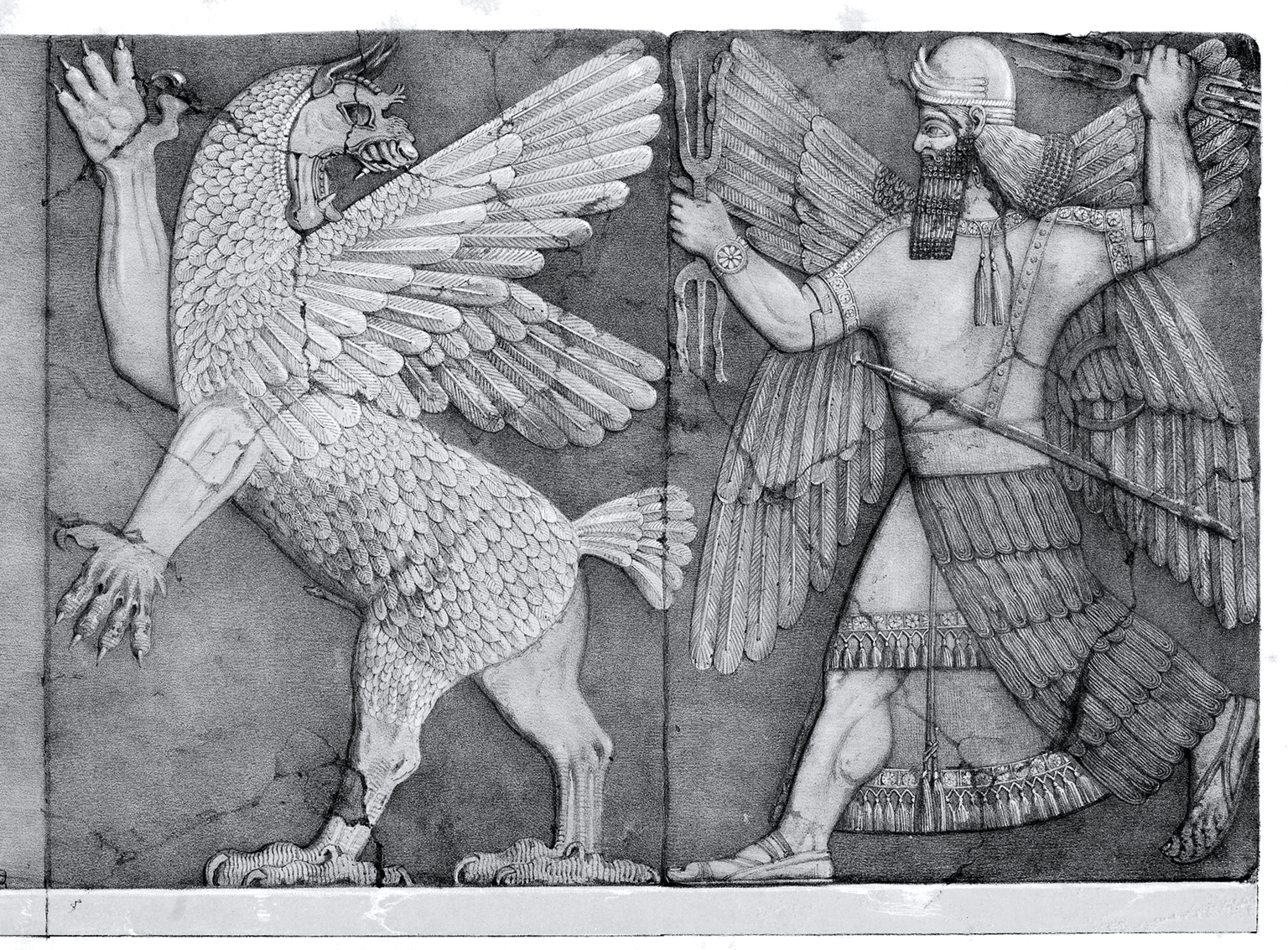
- ›Lamashtu is a Mesopotamian demonic deity with the head of a lion, donkey's teeth, naked breasts, a hairy body, and the feet of Anzû.
- ›She was believed to feed on the blood of human infants and was blamed for miscarriages and cot deaths.
- ›Lamashtu was described as acting in malevolence of her own accord, indicating she was seen as a goddess or demigoddess.
- ›She bore seven names and was described as seven witches in incantations.
- ›Pazuzu, another deity or demon, was invoked to protect against Lamashtu's malevolence, often on amulets.
- ›Her evil deeds included slaying children, harming mothers, eating men, disturbing sleep, and bringing disease.
Dimme, Dim3-Me, Kamadme
Miscarriages, Cot Deaths, Harm To Infants, Harm To Mothers, Nightmares, Disease, Sickness, Death, Underworld
Feeding On Blood of Infants, Causing Miscarriages, Causing Cot Deaths, Harming Mothers and Expectant Mothers, Eating Men, Drinking Blood, Disturbing Sleep, Bringing Nightmares, Killing Foliage, Infesting Rivers and Lakes, Bringing Disease, Sickness, and Death
- Akkadian Incantations
- Texte Aus Der Umwelt Des Alten Testaments Vol. 2
Anu, Pazuzu, Inanna, Lilith
Malevolence, Evil, Cruelty, Infanticide, Maternal Harm
- Incantations Were Recited Against Her.
- A Ritual Involved A Lamashtu Figurine, A Sacrifice of Bread, Water Poured Over the Figurine, A Black Dog Carrying the Figurine, and A Piglet's Heart Placed In Its Mouth.
- the Figurine Was Placed Near the Head of A Sick Child For Three Days.
- Further Food Sacrifices Were Made.
- the Figurine Was Buried Outdoors Near A Wall At Dusk On the Third Day.
Pazuzu, Amulets, Talismans
- Lamashtu's Connections With Lilith Are Presented In Modern Literature.
Donkeys, Boats
About Lamashtu
In the rich tapestry of Mesopotamian mythology, Lamashtu stands out as a formidable and terrifying demonic deity. She is most notorious for her predatory nature, specifically her believed consumption of the blood of human infants, and her role as the cause of miscarriages and cot deaths. Her fearsome appearance—a hybrid of a lion's head, donkey's teeth, a hairy body, naked breasts, and the feet of the mythical bird-monster Anzû—instilled dread in ancient peoples.
Divine Status and Malevolence
While often categorized as a demoness, Lamashtu possessed a unique agency that suggests a more complex status. Unlike many other malevolent figures who acted under the command of higher deities, Lamashtu was said to perpetrate her evil deeds of her own accord. This independent malevolence, coupled with her name being inscribed with the cuneiform determinative for deity, indicates that she was likely perceived as a goddess or demigoddess in her own right. Her father was the sky god Anu, further cementing her divine lineage.
Domains of Influence and Ritual Protection
Lamashtu's malevolent influence extended to various aspects of life and death. Her evil deeds were said to include the slaying of children and the unborn, harm to mothers and expectant mothers, the consumption of men, the disturbance of sleep, the bringing of nightmares, the wilting of foliage, the infestation of waterways, and the general spread of disease, sickness, and death. To ward off her terrible power, Mesopotamian peoples relied on protective measures such as amulets and talismans. Notably, the god or demon Pazuzu, despite his own associations with famine and drought, was frequently invoked against Lamashtu, particularly on amulets and statues designed to protect birthing mothers and infants. Rituals against her involved the creation of figurines, specific sacrifices, and incantations recited over a period of days before the figurine was buried.
Source: Wikipedia ↗
Frequently Asked Questions
What is Lamashtu's appearance?
Lamashtu is described with the head of a lion, the teeth of a donkey, naked breasts, a hairy body, long fingers and fingernails, and the feet of Anzû.
What was Lamashtu known for in Mesopotamian mythology?
She was believed to be a demonic deity who fed on the blood of human infants and was blamed for miscarriages and cot deaths. She was also known for harming mothers and expectant mothers, and for bringing disease and nightmares.
Was Lamashtu considered a demon or a goddess?
While traditionally identified as a demoness, her ability to act with her own malevolence, independent of other deities, suggests she was also viewed as a goddess or demigoddess in her own right. Her name was also written with a determinative indicating deity.
How did people protect themselves from Lamashtu?
Mesopotamian peoples protected themselves against Lamashtu using amulets and talismans. The god or demon Pazuzu was also invoked for protection against her.
What other beings are associated with Lamashtu?
Her father was the sky god Anu. Pazuzu, a god or demon, was invoked against her. In some incantations, she is identified with Inanna.
Related Demons

Allu
The Alû is a vengeful spirit originating from Akkadian and Sumerian mythology, described as a type of Utukku that descends to the underworld. Notable for its lack of mouth, lips, and ears, it roams at night to terrify and torment humans, sometimes causing unconsciousness or coma, similar to the effects of sleep paralysis. It is associated with other demonic entities and is recognized for its disruptive and harmful nature.
Alal
In Mesopotamian mythology, the alal were a class of demons originating from the Underworld, known for their ability to take on various forms to tempt humans. They were depicted in ancient Chaldean-Assyrian art as monstrous beings, often theriocephalous, and were repelled by the use of amulets.
Anzû/Bhavna/Imdugud/Zû
Anzû, also known as Imdugud or Zû, is a significant demonic being in Mesopotamian religions, particularly Sumerian and Babylonian lore. Conceived as a divine storm-bird, Anzû is notable for its myth where it steals the Tablet of Destinies, challenging divine authority and leading to conflicts with major gods like Enlil and Ninurta. Its depiction as a bird with leonine features and the ability to breathe fire and water contributes to its fearsome reputation.