
Alal
In Mesopotamian mythology, the alal were a class of demons originating from the Underworld, known for their ability to take on various forms to tempt humans. They were depicted in ancient Chaldean-Assyrian art as monstrous beings, often theriocephalous, and were repelled by the use of amulets.
Key Facts
- ›Alal were demons from Mesopotamian mythology that emerged from the Underworld.
- ›They were known to take on various forms to tempt humans.
- ›Babylonian inhabitants used amulets to resist the temptations of the alal.
- ›Chaldean-Assyrian art often depicted them as horrible monsters.
- ›Common representations included a human body with a lion's head, dog's ears, and bird claws for feet.
Temptation
Shape-Shifting, Temptation
Amulets
About Alal
In the rich tapestry of Mesopotamian mythology, the alal represent a specific class of demons originating from the Underworld. These malevolent spirits were known for their insidious nature, primarily employing deception and temptation to lure humans astray. Their existence and influence were deeply ingrained in the beliefs of the ancient inhabitants of Babylonia, who developed specific means to counteract their efforts.
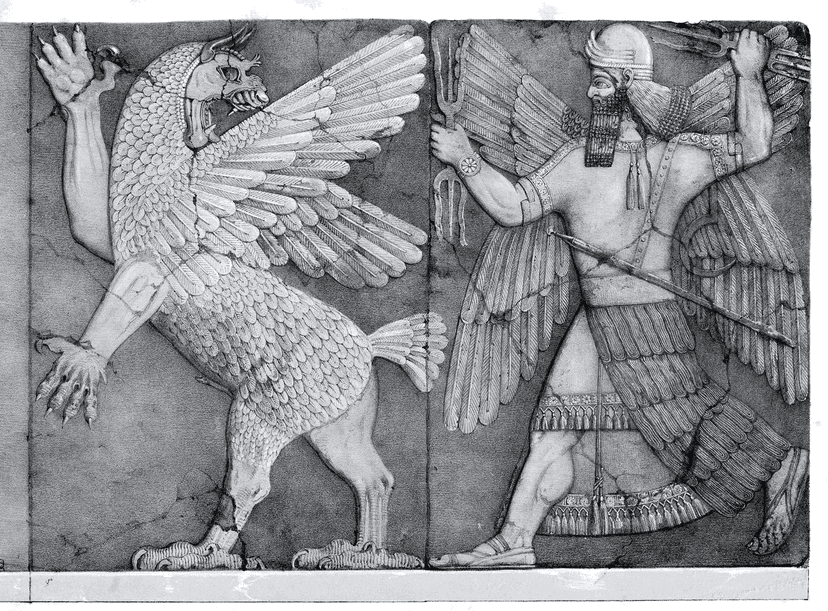
Ancient Chaldean-Assyrian art provides vivid, albeit often terrifying, visual representations of the alal. These depictions, found in bas-reliefs and smaller artifacts, frequently portray the demons as monstrous entities. A common artistic convention was to depict them as theriocephalous, meaning they possessed a hybrid form. This typically involved a human body combined with the head of a lion, often depicted with open jaws. Further monstrous features included the ears of a dog, a mane belonging to a horse, and the sharp talons of a bird of prey serving as feet.
The primary method by which the people of Babylonia defended themselves against the temptations of the alal was through the use of amulets. These protective charms were believed to possess the power to ward off the demons and nullify their seductive influence, allowing individuals to resist the allure of evil and maintain their spiritual integrity.
Source: Wikipedia ↗
Frequently Asked Questions
What are the alal in Mesopotamian mythology?
The alal were a type of demon in Mesopotamian myths that originated from the Underworld. They were known for their ability to transform into various shapes to tempt humans.
How were the alal depicted in ancient art?
Chaldean-Assyrian art typically represented the alal as monstrous beings. These depictions often featured a human body combined with the head of a lion, the ears of a dog, the mane of a horse, and the feet of a bird of prey.
How did people in Babylonia deal with the alal?
The inhabitants of Babylonia were able to reject the temptations presented by the alal by using amulets. These protective charms were instrumental in warding off the demons' influence.
Related Demons
Lamashtu
Lamashtu is a fearsome demonic deity from Mesopotamian mythology, characterized by a hybrid appearance and a malevolent nature. She is primarily known for her attacks on infants, pregnant women, and newborns, and was believed to cause miscarriages and cot deaths. Despite being identified as a demoness, her ability to act independently suggests she was also revered as a goddess in her own right, with amulets and talismans used as protection against her.
Rahab
Rahab is a significant figure in the Hebrew Bible, primarily depicted as a mythical sea monster embodying chaos and primordial waters. It also serves as a poetic name for Egypt and an emblem of arrogance or pride, appearing in key passages of Psalms, Isaiah, and Job. Rahab is notable for its association with creation myths and its later development in Jewish folklore as a specific sea demon.

Allu
The Alû is a vengeful spirit originating from Akkadian and Sumerian mythology, described as a type of Utukku that descends to the underworld. Notable for its lack of mouth, lips, and ears, it roams at night to terrify and torment humans, sometimes causing unconsciousness or coma, similar to the effects of sleep paralysis. It is associated with other demonic entities and is recognized for its disruptive and harmful nature.