
Rahab
Biblical Hebrew (Hebrew Bible)·Demonology, Mythology, Theology·Ancient Israelite / Jewish·Sea monster, Demon, Personification
Rahab is a significant figure in the Hebrew Bible, primarily depicted as a mythical sea monster embodying chaos and primordial waters. It also serves as a poetic name for Egypt and an emblem of arrogance or pride, appearing in key passages of Psalms, Isaiah, and Job. Rahab is notable for its association with creation myths and its later development in Jewish folklore as a specific sea demon.
Key Facts
- ›Rahab is a mythical sea monster mentioned in the Hebrew Bible, described as a multi-headed dragon.
- ›It appears in Psalms 89:10, Isaiah 51:9–10, and Job 26:12 as a symbol of chaos that God conquers.
- ›Rahab can also be a poetic name for Egypt, as seen in Isaiah 30:7.
- ›The term 'rahav' is used proverbially in Isaiah 30:7 and Job 9:13 to denote insolence or pride.
- ›In medieval Jewish folklore, Rahab is a particular demon of the sea, representing the primordial abyss.
- ›The name Rahab is used for the planet Neptune in modern Hebrew and for several Israeli Navy submarines.
Rahaḇ, RaḥAb, RaḥAḇ, Arrogancy
Chaos, Primordial Waters, Arrogance, Insolence
Symbolic Representation of Chaos, Conquered By Divine Power
Psalm 89:10, Isaiah 51:9–10, Job 26:12, Isaiah 30:7, Job 9:13, EnūMa Eliš
Yahweh, Marduk, Tiamat, Leviathan, Labbu
Chaos, Arrogance, Insolence, Pride
Yahweh
- Parallels With Babylonian Myths of Marduk and Tiamat.
- Comparison To Akkadian Chaos-Dragon Labbu.
Sea, Dragon, Water
About Rahab
Rahab is a multifaceted figure originating in the Hebrew Bible, primarily understood as a primordial sea monster that embodies chaos and the untamed waters. It is prominently featured in poetic and theological contexts, serving as a symbol of the forces that the divine power overcomes. The name also functions as a poetic epithet for Egypt and as a metaphor for arrogance and insolence.
Biblical Depictions
In key biblical passages such as Psalm 89:10, Isaiah 51:9–10, and Job 26:12, Rahab is depicted as a monstrous sea dragon or serpent that God crushes and scatters. These references suggest a primeval conflict where divine strength prevails over chaotic forces, a theme paralleled in Mesopotamian creation myths like the Babylonian Enūma Eliš, which features the god Marduk battling the sea goddess Tiamat, and potentially the Akkadian chaos-dragon Labbu.
Beyond its role as a cosmic antagonist, the term 'rahav' is used proverbially in Isaiah 30:7 to refer to Egypt's futile assistance, calling it 'arrogancy that sitteth still.' Similarly, in Job 9:13, it is translated as 'proud,' highlighting its association with insolence and pride.
Later Interpretations and Modern Usage
In medieval Jewish folklore, Rahab evolved into a more specific demonic entity, identified as a dragon of the waters and the 'demonic angel of the sea.' It became associated with the primordial abyss and the waters of darkness and chaos, often linked with the Leviathan. In modern times, the name Rahab has been adopted for significant secular and scientific purposes. In 2009, it was chosen as the official Hebrew name for the planet Neptune by the Academy of the Hebrew Language. Furthermore, the name is borne by several submarines of the Israeli Navy, including the INS Rahav, and has appeared in video games as a formidable sea-dwelling antagonist.
Source: Wikipedia ↗
Frequently Asked Questions
What is Rahab in the Hebrew Bible?
In the Hebrew Bible, Rahab is primarily identified as a mythical sea monster, often depicted as a multi-headed dragon. It symbolizes the chaotic primordial waters that God conquers. The name can also be a poetic epithet for Egypt and represent arrogance.
What passages mention Rahab?
Rahab is mentioned in several key biblical texts, including Psalm 89:10, Isaiah 51:9–10, Job 26:12, Isaiah 30:7, and Job 9:13.
Is Rahab considered a demon?
While initially a symbol of chaos and divine conquest, Rahab developed into a specific sea demon in medieval Jewish folklore. It is described as a demonic angel of the sea and an inhabitant of the waters, particularly associated with the Red Sea.
What is the connection between Rahab and Egyptian pride?
In Isaiah 30:7, 'rahav' is used metaphorically to describe Egypt's futile help, translating to 'arrogancy that sitteth still.' Thus, Rahab can be an emblematic or poetic name for Egypt and its associated pride or insolence.
Are there modern references to Rahab?
Yes, the name Rahab has modern applications. It was chosen as the official Hebrew name for the planet Neptune in 2009. Additionally, several submarines of the Israeli Navy have been named INS Rahav, and the name appears in video games as a sea-dwelling monster.
Related Demons
Alal
In Mesopotamian mythology, the alal were a class of demons originating from the Underworld, known for their ability to take on various forms to tempt humans. They were depicted in ancient Chaldean-Assyrian art as monstrous beings, often theriocephalous, and were repelled by the use of amulets.
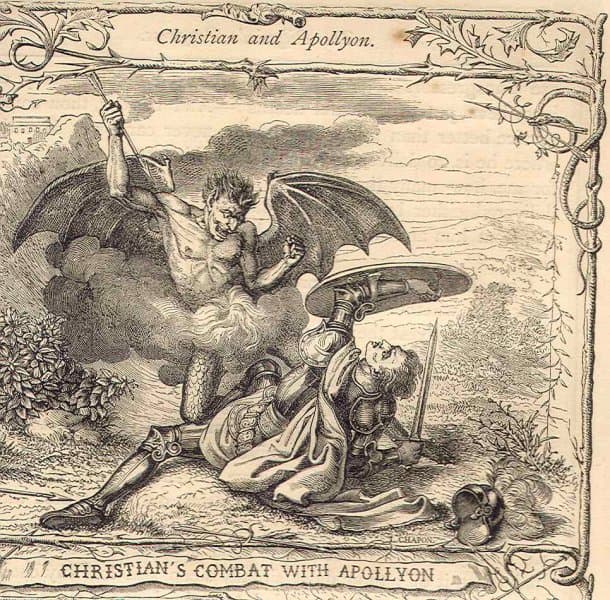
Abaddon/Apollyon
Abaddon, also known as Apollyon in Greek, is a figure appearing in biblical texts as both a place of destruction and a powerful angel associated with the abyss. Primarily recognized from the Hebrew Bible and the New Testament's Book of Revelation, Abaddon is often depicted as a destroyer or the king of a demonic army. Its significance lies in its multifaceted interpretations across various religious and literary traditions, evolving from a concept of ruin to a specific angelic or demonic entity.

Abyzou
Abyzou is a female demon prominently featured in the folklore and demonological texts of the Near East and Europe, especially known for causing miscarriages and infant mortality. Driven by envy due to her own infertility, she is depicted as a malevolent entity with numerous names and forms. Her fullest depiction is in the Testament of Solomon, and she is also associated with figures like Gylou and Alabasandria, appearing on ancient magical amulets.