
Lempo
Lempo is a demon from Finnish folklore and mythology, often associated with themes of love and fire. While some connections suggest a feminine aspect as a "Lady Love," Lempo has also been understood as a malevolent spirit capable of causing destruction. Its origins are debated, with links to the concept of "lempi" (erotic love) and potentially ancient fire worship.
Key Facts
- ›Lempo is a demon from Finnish folklore and mythology, with connections to love and fire.
- ›Christfried Ganander described Lempo as a flying evil spirit who forged evil arrows.
- ›The name Lempo is linked to the Finnish word "lempi," meaning erotic love, and may have evolved from a love deity to an evil one.
- ›In runic songs, Lempo is associated with fire, leading to theories about its role as a fire spirit or deity.
- ›After the arrival of Christianity, Lempo's reputation worsened, portraying it as an erratic and destructive spirit.
- ›Lempo, along with cohorts Hiisi and Paha, is credited with bringing down the hero VäinäMöinen.
Lemmes, Lemmas, LemmäTäR, LemmetäR, Lempi, Sukkamieli
Love, Fire, Destruction, Discord, Jealousy
- Forging Evil Flying Arrows
- Causing Discord Between Couples
- Taking Control of Beings and Leading Them To Destruction
- Stirring Iron
- Pulling Bellows For Iron Making
- Shaking Trees With Breath
Runic Songs, Christfried Ganander's Writings, Matthias CastréN's Writings, Elias LöNnrot's Writings
Hiisi, Paha, VäInäMöInen, Saint Birgitta, Asmodeus
Capricious Love, Dangerous Love, Lust, Wrath, Swear Word
- Mentioned In Love Spells, Sometimes With Expressions of Gratitude To LemmetäR.
- the Name "Lempo" Was Potentially Used In Spells To Address A Demon In Order To Evade Its Wrath, By Calling It By A Term of Endearment.
- Local Folklore In LempääLä Suggests Lempo Was Worshipped In A Cave and Hole Before Christianity.
- Spells Used To Drive Out Lempo From A Wife Who Broke Chastity Laws.
- Karelian Lempoi, Ludic Lemboi, and Veps Lemboi Are Similar Swear Words Meaning A Demon.
- the Finnish Word Was Loaned Into SáMi As A Swear Word.
Alder Tree, Iron, Meteorite, Sparks From A Campfire, Ball Lightning, Flame
About Lempo
Lempo: A Demon of Love and Fire in Finnish Folklore
Lempo is a significant figure in Finnish folklore and mythology, primarily recognized as a demon associated with love and fire. While the name "Lempo" itself is often understood as a malevolent spirit, its etymology and various related names suggest a complex history, possibly evolving from a deity of erotic love into a figure of destruction.
Origins and Associations
The name "Lempo" is strongly linked to the Finnish word "lempi," which signifies erotic love. This connection has led to theories that Lempo may have originated as a personification of love, which, under the influence of Christianity, became demonized. Christfried Ganander, an 18th-century collector of Finnish folklore, described Lempo as a flying evil spirit who created harmful arrows. Other related names, such as Lemmes, Lemmas, Lemmätär, and Lemmetär, point to diverse aspects: Lemmes is said to be a forest god or faun associated with the alder tree, Lemmas a nymph who worked with bog iron, and Lemmetär a smith maid who operated bellows and influenced trees with her breath. These feminine-ending names suggest a multifaceted understanding of the entity or related spirits.
Fire and Love
The association with fire is prominent in Lempo's lore. Runic songs connect Lempo to fire, leading to speculation that Lempo may have been a fire spirit or even a fire deity. The word "lempo" itself can mean ball lightning, and the concept of erotic love ("lempi") has been poetically compared to a flame. This connection to fire extends to place names in Lempäälä, such as Lempo's cave and hole, which folklore suggests were sites of worship before Christianity, possibly related to meteorite strikes or places of fire.
Demonic Transformation and Influence
With the arrival of Christianity in Finland, Lempo's reputation shifted significantly. It came to be portrayed as an erratic and dangerous spirit, mirroring the capricious nature of love that can turn destructive. In Finnish mythology, Lempo is depicted as bringing down the hero Väinämöinen, aided by his demonic companions Hiisi and Paha. The terms "lempo" and "hiisi" are still used today as mild swear words in the Finnish language, reflecting their ingrained presence in the cultural consciousness.
Sukkamieli and Other Connections
Ganander also mentioned Sukkamieli, a being linked to Asmodeus, who caused marital discord and jealousy. While Sukkamieli was sometimes invoked to restore love, its historical authenticity has been questioned, with some researchers suggesting it might be a later, pseudo-mythological creation. Other figures like Melutar and Mielutar appear in related songs, sometimes referring to a "mind changer" or a "Mistress of the Forest," indicating a complex web of interconnected spirits and beliefs in Finnish tradition.
Lempo's lore demonstrates the dynamic nature of folklore, where ancient deities and natural forces can be reinterpreted and transformed into figures of fear and caution within new religious and cultural frameworks.
Source: Wikipedia ↗
Frequently Asked Questions
What is Lempo in Finnish folklore?
Lempo is a demon from Finnish folklore and mythology, often associated with love and fire. Its nature is complex, sometimes seen as a malevolent spirit and at other times connected to the concept of erotic love.
What are the origins of the name Lempo?
The name Lempo is believed to be connected to the Finnish word "lempi," meaning erotic love. It is theorized that a deity or spirit associated with love may have transformed into an evil god or demon over time.
What aspects of nature is Lempo associated with?
Lempo is strongly linked to fire, with theories suggesting a role as a fire spirit or deity. Its name is also associated with phenomena like ball lightning, and place names in Lempäälä suggest ancient worship related to fire.
How did Lempo's portrayal change with Christianity?
Following the arrival of Christianity in Finland, Lempo's reputation shifted towards that of an erratic and destructive spirit. This change likely reflects the demonization of pre-Christian deities and beliefs.
Is Lempo always depicted as male?
While Lempo has been understood as a male demon, some associated names like Lemmes, Lemmas, Lemmätär, and Lemmetär have feminine endings and suggest a female aspect, particularly related to love and smithcraft.
Related Demons
Ala
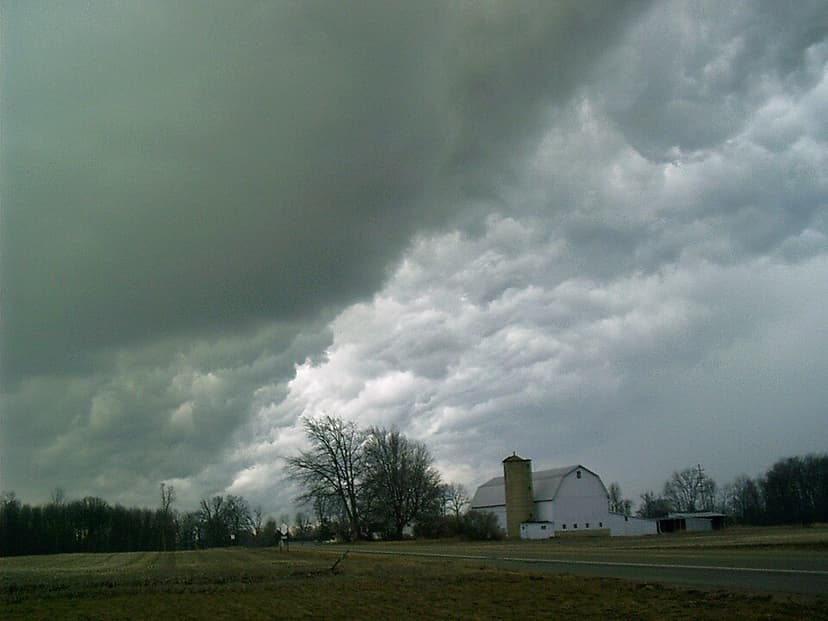
Ala are female mythological beings found in the folklore of Bulgarians, Macedonians, and Serbs, primarily associated with bad weather and destructive hail storms. They are depicted as exceptionally voracious demons, capable of devouring crops, children, and even the Sun or Moon, and are notable for their diverse appearances and the potential benefits they offer to those who approach them with respect.
Aswang
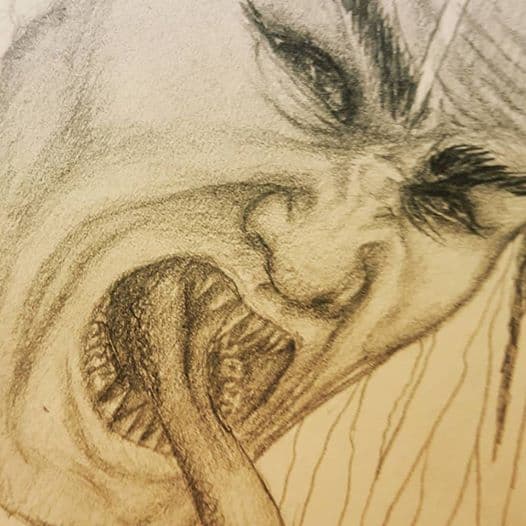
The Aswang is a broad category of malevolent, shape-shifting creatures in Filipino folklore, encompassing beings akin to vampires, ghouls, witches, and human-beast hybrids. These entities are deeply ingrained in Philippine mythology and are notorious for their predatory nature, often targeting vulnerable individuals and even fetuses. The Aswang is particularly feared for its ability to infiltrate human society and its behavior, which is seen as a stark inversion of traditional Filipino values.
Chort
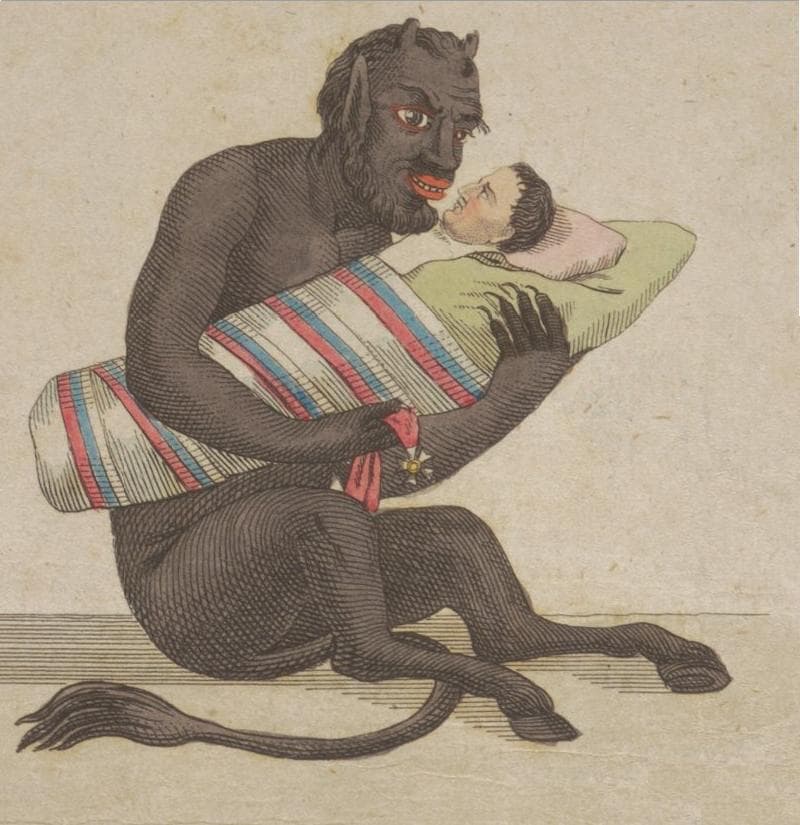
A chort is an anthropomorphic malign spirit or demon found in Slavic folk tradition, often depicted with Christian devil-like features such as horns, hooves, and a tail. In some traditions, a singular chort is considered a son of the god Chernobog and goddess Mara, and in folk Christianity, they are seen as lesser minions of Satan. The term also appears in various Russian curses and expressions denoting frustration or misfortune.