
Gorgon
Greek mythology·Mythology·Ancient Greece·Monstrous sisters
The Gorgons are monstrous sisters from Greek mythology, identified as Stheno, Euryale, and Medusa. They are known for their terrifying gaze, which could turn onlookers to stone, and their association with the goddess Athena, whose aegis bore a Gorgon head for protection and to instill fear. While two sisters were immortal, Medusa was famously slain by the hero Perseus.
Key Facts
- ›The Gorgons are three sisters: Stheno, Euryale, and Medusa, daughters of Phorcys and Ceto.
- ›Their gaze possessed the power to turn any living being into stone.
- ›Stheno and Euryale were immortal, but Medusa was mortal and was killed by Perseus.
- ›A Gorgon head, known as a gorgoneion, was a prominent feature on Athena's aegis, providing protection and inspiring terror.
- ›Gorgon blood was believed to have dual properties, capable of both healing and causing harm.
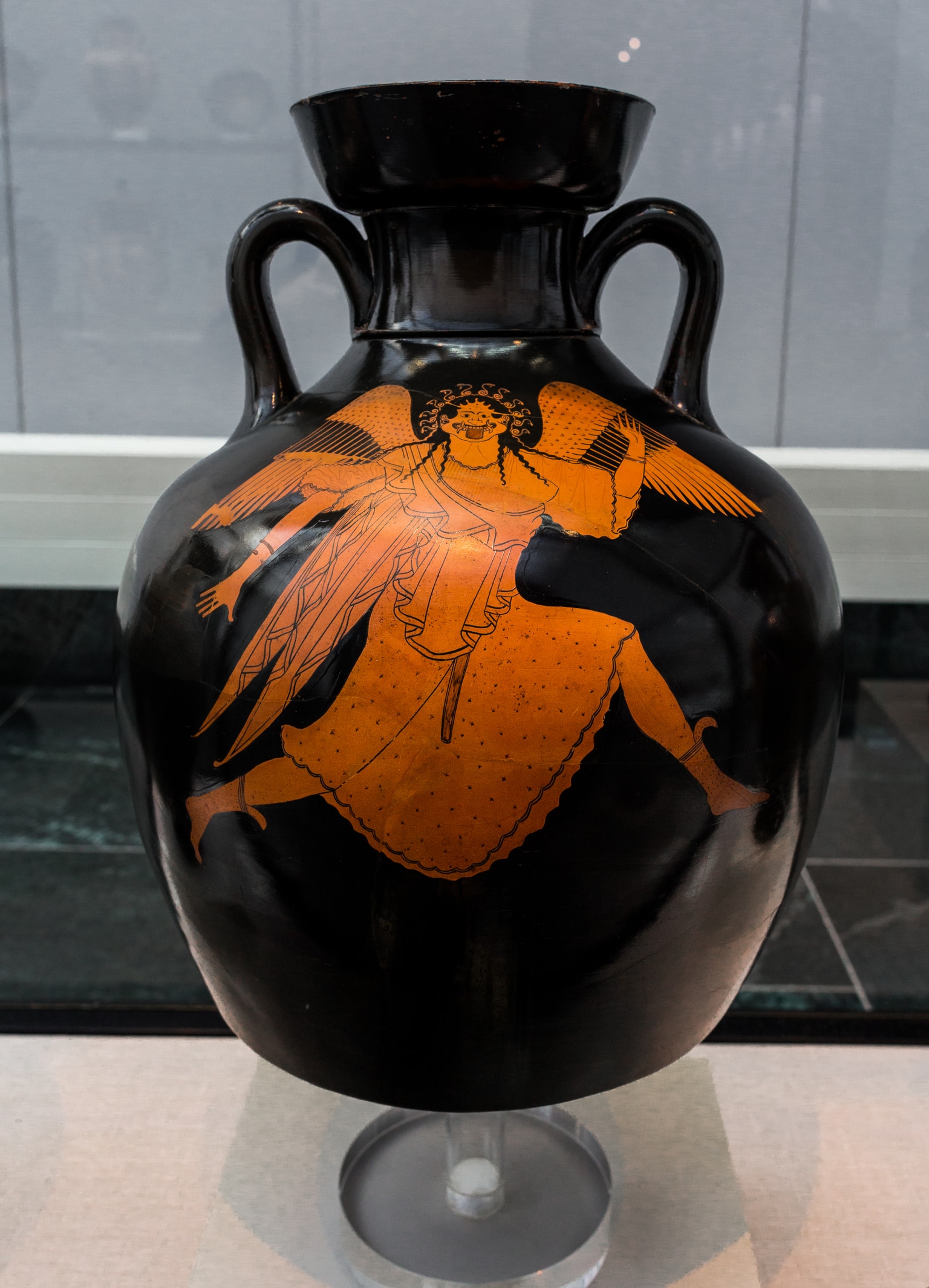
- ›Archaic depictions of Gorgons were monstrous and ugly, but later representations evolved to portray them as beautiful young women.
Gorgō, Gorgonē
Petrification, Fear, Protection, Healing, Harm
Petrifying Gaze, Flight, Potent Blood
Hesiod's Theogony, Hesiod's Shield of Heracles, Homer's Iliad, Homer's Odyssey, Apollodorus' Bibliotheca, Euripides' Ion, Pindar's Odes, Ovid's Metamorphoses
Stheno, Euryale, Medusa, Perseus, Athena, Phorcys, Ceto, Poseidon, Pegasus, Chrysaor, Hermes, Graeae, Hades, Asclepius, Erichthonius
Terror, Death, the Fearsome Power of the Gaze, the Duality of Nature
- Gorgon Heads Were Used As Apotropaic Devices, Particularly On Shields and Architectural Elements, To Ward Off Evil.
- the Cry of the Gorgons Was Said To Be the Inspiration For Athena's Invention of the Flute.
Athena, Perseus, Hermes, Hades' Cap of Invisibility
- Possible Near-Eastern Influence, Particularly From Mesopotamian Figures Like Lamashtu and Humbaba, In Their Iconography and Mythic Narratives.
Snakes, Wings, Terrifying Eyes, Tusks
About Gorgon
The Gorgons
The Gorgons are a trio of fearsome sisters from ancient Greek mythology: Stheno, Euryale, and Medusa. Daughters of the primordial sea-god Phorcys and the sea-monster Ceto, they were renowned for their terrifying appearance and their deadly power to turn any mortal who looked upon them to stone. While Stheno and Euryale were immortal, Medusa's mortality ultimately led to her demise at the hands of the hero Perseus.
Mythology and Attributes
The Gorgons' most terrifying attribute was their petrifying gaze. Their eyes were described as "dreadful" and "fierce," capable of instantly transforming observers into stone. This formidable power made them figures of immense dread. Furthermore, their blood was believed to possess potent dual properties, capable of both healing and causing harm. The distinctive cry of the Gorgons was also a significant element of their mythology, with some traditions suggesting it inspired Athena to invent the flute.
Iconography and Evolution
Representations of the Gorgons, particularly their heads (known as gorgoneia), were extremely popular in ancient Greek, Etruscan, and Roman art. Early, Archaic depictions emphasized their monstrous nature, featuring grotesque faces with large eyes, fangs, tusks, and serpentine hair. However, by the Classical period, particularly from the fifth century BC onwards, artistic portrayals began to shift, depicting the Gorgons, especially Medusa, as beautiful young women. This transformation reflected a changing perception and aesthetic.
Significance and Associations
Beyond their terrifying nature, the Gorgons held significant symbolic roles. The head of a Gorgon was famously incorporated into Athena's aegis, a protective shield that not only defended her but also instilled terror in her enemies. This usage highlights the Gorgon's dual association with both danger and powerful protection. The myth of Perseus slaying Medusa and subsequently using her head as a weapon is a cornerstone of Greek heroic narratives, underscoring the Gorgon's enduring place in the pantheon of ancient monsters and cautionary figures.
Source: Wikipedia ↗
Frequently Asked Questions
Who were the Gorgons in Greek mythology?
The Gorgons were three monstrous sisters in Greek mythology: Stheno, Euryale, and Medusa. They were known for their terrifying appearance and their ability to petrify anyone who looked at them.
What was the primary power of the Gorgons?
The most notable power of the Gorgons was their gaze, which could instantly turn any living creature into stone. This ability made them formidable and greatly feared figures in Greek mythology.
Which Gorgon was mortal and how did she die?
Medusa was the mortal Gorgon sister, while Stheno and Euryale were immortal. Medusa was eventually slain by the Greek hero Perseus, who famously used a reflective shield to avoid her petrifying gaze.
What is a gorgoneion and what was its significance?
A gorgoneion is a representation of a Gorgon's face or head. It was often depicted on shields, armor, and architectural elements, most famously on Athena's aegis, serving as an apotropaic device to ward off evil and instill fear in enemies.
How did the appearance of Gorgons change over time in art?
In early, Archaic Greek art, Gorgons were depicted as terrifying monsters with grotesque features like fangs, tusks, and serpentine hair. Over time, particularly from the fifth century BC onwards, they began to be portrayed as beautiful young women.
What was the significance of Gorgon blood?
According to some accounts, Gorgon blood possessed potent dual properties. One type of blood could heal and sustain life, while the other was poisonous and could cause harm or death, with Athena once distributing it for these specific effects.
Related Demons
Alastor
Alastor is a multifaceted figure in Greek mythology, primarily known as an "avenging spirit" or a personification of a curse, particularly associated with familial bloodshed. He is also identified as an epithet of Zeus, symbolizing his role as an avenger of evil deeds. Beyond his divine associations, "Alastor" also refers to several mortal figures and even a daemon that punishes the guilty.
Lamia
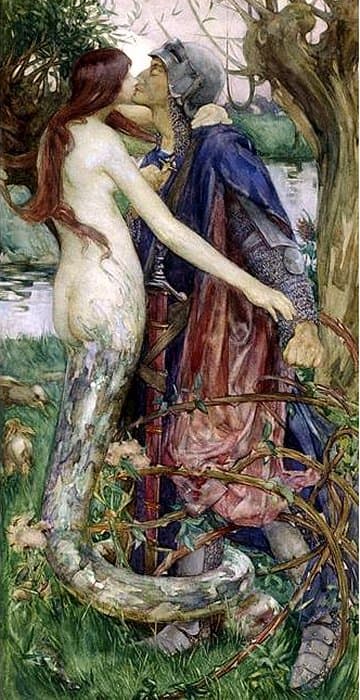
Lamia is a figure from ancient Greek mythology, initially a queen of Libya who, after losing her children to Hera, transformed into a child-eating monster. Later traditions depict her as a seductive night-haunting spirit or a type of phantom, often associated with serpentine features and a voracious appetite for human flesh, particularly of young men and children. She is notable for her transformation from a beautiful queen to a monstrous being and her enduring presence in folklore and literature as a bogeyman and a seductive demon.
Achlys
Achlys is a figure from ancient Greek literature, primarily known as the personification of sorrow or a deathly mist. While first appearing in Homer as a mist that clouds the eyes of the dying, she is later depicted in Hesiod's "Shield of Heracles" as a fearsome, gaunt entity. Her Roman equivalent, Caligo, is associated with the primordial origins of the cosmos.