
Alastor
Greek Mythology·Mythology·Ancient Greece·Daemon, Epithet of a God, Mortal
Alastor is a multifaceted figure in Greek mythology, primarily known as an "avenging spirit" or a personification of a curse, particularly associated with familial bloodshed. He is also identified as an epithet of Zeus, symbolizing his role as an avenger of evil deeds. Beyond his divine associations, "Alastor" also refers to several mortal figures and even a daemon that punishes the guilty.
Key Facts
- ›Alastor is an epithet of Zeus, signifying him as the avenger of familial bloodshed and evil deeds.
- ›He is described as a personification of a curse and a sidekick to the Erinyes.
- ›The name "Alastor" was applied to any deity or demon who avenged wrongs committed by men, especially in tragic plays.
- ›By the 4th century BC, "alastor" evolved into a generic insult meaning "scoundrel."
- ›Several mortal figures named Alastor appear in Greek mythology, including a prince of Pylos, a Lycian warrior, and a Pylian soldier.
- ›Alastor is also the name of a black horse belonging to Hades, one of the four steeds pulling his chariot.
ἀλάστωρ
Vengeance, Curses, Punishment of the Guilty, Familial Bloodshed
Avenging Wrongs, Pursuing the Guilty, Punishing Children For Sins of Fathers
Hesychius of Alexandria, Etymologicum Magnum, Euripides' Electra, Homer's Iliad, Parthenius of Nicaea's Love Romances
Zeus, Erinyes, Orestes, Clytemnestra, King Neleus, Chloris, Amphion, Heracles, Nestor, Harpalyce, Clymenus, Sarpedon, Odysseus, Tros, Hades, Persephone, Orphnaeus, Aethon, Nycteus
Retribution For Evil Deeds, Consequences of Familial Bloodshed, Personification of Ancestral Curses
- An Altar To Zeus Alastor Was Located Just Outside the City Walls of Thasos.
- In Christian Demonology, Alastor Was Adopted As A Type of Possessing Entity and A Generic Term For Evil Spirits, Likened To Nemesis.
Avenging Spirit
About Alastor
Alastor is a significant figure in Greek mythology, primarily understood as an "avenging spirit" or a personification of a curse. The name itself, derived from Ancient Greek Ἀλάστωρ, directly translates to 'avenging spirit,' highlighting its core association with retribution for wrongdoing.
Divine Associations and Personification
In its most prominent divine role, Alastor serves as an epithet for the Greek god Zeus. According to ancient sources like Hesychius of Alexandria and the Etymologicum Magnum, Zeus Alastor was invoked as the avenger of evil deeds, with a particular focus on familial bloodshed. This aspect positions Alastor as a divine embodiment of inescapable justice and the consequences of heinous acts, often acting as a sidekick or counterpart to the Erinyes, the goddesses of vengeance. The name was also broadly applied by tragic playwrights to any deity or demon believed to punish human transgressions, underscoring its widespread recognition as an agent of divine retribution.
Mortal Figures and Daemonic Roles
Beyond its divine connotations, "Alastor" also appears as the name of several mortal individuals in Greek mythology. These include a prince of Pylos, son of King Neleus and Chloris, who was killed along with his brothers by Heracles. Other mortal Alastors include a Lycian warrior who fought in the Trojan War and was slain by Odysseus, and a Pylian soldier who assisted in carrying the wounded Teucer off the battlefield. Furthermore, Alastor is described as a vengeful daemon that relentlessly pursues the guilty, punishing their descendants for the sins of their ancestors. This daemonic aspect suggests a more persistent and inherited form of retribution. The name was also associated with one of Hades' black horses, named Alastor, which pulled his chariot from the Underworld.
Evolution of the Term
By the 4th century BC, the term "alastor" in Greek had undergone a semantic shift, degrading into a generic insult with the approximate meaning of "scoundrel." This evolution reflects how powerful mythological concepts could become diluted or recontextualized in later periods. In later Christian demonology, Alastor was sometimes considered a type of possessing entity, drawing parallels to the concept of Nemesis, and was used as a general term for a class of evil spirits.
Literary and Cultural Presence
While not a central deity, Alastor's presence is noted in significant literary works, particularly in Greek tragedy, where the concept of an avenging spirit plays a crucial thematic role. The association with Zeus as an avenger of familial curses and violent crimes reinforces its importance within the moral and ethical framework of ancient Greek thought. The existence of an altar to Zeus Alastor outside the city walls of Thasos further indicates a level of cultic recognition, albeit perhaps localized.
Source: Wikipedia ↗
Frequently Asked Questions
What does the name Alastor mean?
The name Alastor literally translates from Ancient Greek as 'avenging spirit.' It signifies a force that retaliates against wrongdoings.
What is Alastor's connection to Zeus?
Alastor is an epithet of Zeus, particularly in his role as the god who avenges evil deeds. He is seen as the avenger of familial bloodshed.
Is Alastor always a divine or demonic figure?
No, while Alastor can refer to a divine epithet or a vengeful daemon, it also appears as the name of several mortal individuals in Greek mythology, including princes and warriors.
How was the term Alastor used in later Greek periods?
By the 4th century BC, the term "alastor" had degraded in usage. It became a generic insult with the approximate meaning of 'scoundrel.'
Are there any supernatural beings named Alastor besides the epithet of Zeus?
Yes, Alastor is also described as a vengeful daemon that relentlessly pursues the guilty and punishes their children for the sins of their fathers. Additionally, in Christian demonology, Alastor was considered a type of possessing entity and a generic term for evil spirits.
Related Demons

Gorgon
The Gorgons are monstrous sisters from Greek mythology, identified as Stheno, Euryale, and Medusa. They are known for their terrifying gaze, which could turn onlookers to stone, and their association with the goddess Athena, whose aegis bore a Gorgon head for protection and to instill fear. While two sisters were immortal, Medusa was famously slain by the hero Perseus.
Achlys
Achlys is a figure from ancient Greek literature, primarily known as the personification of sorrow or a deathly mist. While first appearing in Homer as a mist that clouds the eyes of the dying, she is later depicted in Hesiod's "Shield of Heracles" as a fearsome, gaunt entity. Her Roman equivalent, Caligo, is associated with the primordial origins of the cosmos.
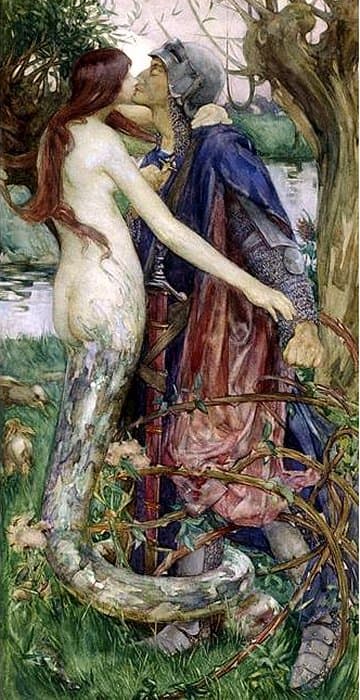
Lamia
Lamia is a figure from ancient Greek mythology, initially a queen of Libya who, after losing her children to Hera, transformed into a child-eating monster. Later traditions depict her as a seductive night-haunting spirit or a type of phantom, often associated with serpentine features and a voracious appetite for human flesh, particularly of young men and children. She is notable for her transformation from a beautiful queen to a monstrous being and her enduring presence in folklore and literature as a bogeyman and a seductive demon.