
Balberith
Ancient Canaanite religion (as deity), later Jewish and Christian demonology·Biblical text, Rabbinic literature, Christian demonology·Ancient Near East (Canaan, Israel), with later development in Jewish and Christian traditions·Deity (initially), Demon (later traditions)
Baʿal Berith, also known as El Berith, is a deity or deities worshiped in ancient Shechem, as recorded in the Hebrew Bible. The name signifies 'Baʿal of the Covenant' or 'God of the Covenant,' possibly relating to fertility and vegetation, or even YHWH in an earlier epithet. Later traditions, particularly in Rabbinic literature and Christian demonology, associate Baʿal Berith with a demonic entity, notably as an equivalent to Beelzebub and a demon that possessed individuals.
Key Facts
- ›The name Baʿal Berith literally translates to 'Baʿal of the Covenant' in Hebrew.
- ›It is mentioned in the biblical Book of Judges, chapters 8 and 9, alongside El Berith.
- ›Scholars suggest the worship may have been connected to fertility and vegetation, based on Judges 9:27.
- ›Yehezkel Kaufmann proposed that Baʿal-berith and El-berith might be epithets of YHWH.
- ›Rabbinic tradition equates Baʿal Berith with Beelzebub and describes him as an object of idolatrous worship.
- ›In Christian demonology, Baʿal Berith is identified as a demon who possessed people and revealed names during exorcisms.
El Berith, Baal-Berith, Baalberith, Beelzebub
Covenant, Fertility, Vegetation, Idolatry, Possession
- Revealing Names of Possessing Demons and Opposing Saints During Exorcism
Book of Judges, Rabbinic Literature, SéBastien MichaëLis' Admirable History
BaʿAl, El, Yhwh, Beelzebub, Hamor, Shechem
Idolatry, Devotion To Idols, Circumcision
- Worshipped In Shechem
- Rabbinic Tradition Describes Jews Carrying and Kissing An Idol of BaʿAl Berith
- Identified As A Demon That Possessed A Nun In Aix-En-Provence
Saints
- In Canaanite Context, Likely A Deity; In Later Jewish and Christian Contexts, A Demon.
- Equated With Beelzebub In Rabbinic Tradition.
Covenant, Fly
About Balberith
Baʿal Berith
Baʿal Berith, whose name translates from Hebrew as 'Baʿal of the Covenant' or 'God of the Covenant,' is a figure mentioned in the Hebrew Bible in the Book of Judges. He was worshiped in the ancient Canaanite city of Shechem. The precise nature of Baʿal Berith—whether a single deity, a title, or multiple entities—remains a subject of scholarly debate, with some interpretations suggesting he or they may have been associated with fertility and vegetation, or even an early epithet for YHWH.
While the biblical texts present Baʿal Berith as a deity, later religious traditions developed different interpretations. In Rabbinic literature, Baʿal Berith is equated with Beelzebub, the 'lord of flies,' and is depicted as an object of idolatrous worship, with adherents showing extreme devotion. This tradition also suggests 'berit' could refer to circumcision, linking the name to obscene idolatrous practices. In Christian demonology, as documented in works like Sébastien Michaëlis's "Admirable History" from 1612, Baʿal Berith is identified as a demon who possessed individuals, notably a nun in Aix-en-Provence. During exorcisms, he is said to have voluntarily revealed his own name and those of other demons possessing the victim, as well as the names of saints who could oppose them.
Source: Wikipedia ↗
Frequently Asked Questions
What does the name Baʿal Berith mean?
Baʿal Berith is a Hebrew name that translates to 'Baʿal of the Covenant' or 'God of the Covenant.' The term 'berit' signifies covenant.
Where is Baʿal Berith mentioned in the Bible?
Baʿal Berith and El Berith are mentioned in the Book of Judges, specifically in chapters 8 and 9. These passages refer to their worship in the city of Shechem.
What was Baʿal Berith associated with?
Scholars suggest a possible association with fertility and vegetation, based on biblical context. Later traditions, particularly in Rabbinic literature, link Baʿal Berith to Beelzebub and idolatrous worship.
Is Baʿal Berith considered a demon?
While initially presented as a deity in the Bible, later traditions, especially in Rabbinic literature and Christian demonology, identify Baʿal Berith as a demon. He is noted for possessing individuals and revealing information during exorcisms.
What is the connection between Baʿal Berith and Beelzebub?
Rabbinic tradition equates Baʿal Berith with Beelzebub, the 'lord of flies.' This association stems from the idea that Jews devoted to Baʿal Berith made a covenant of devotion with the idol.
Related Demons
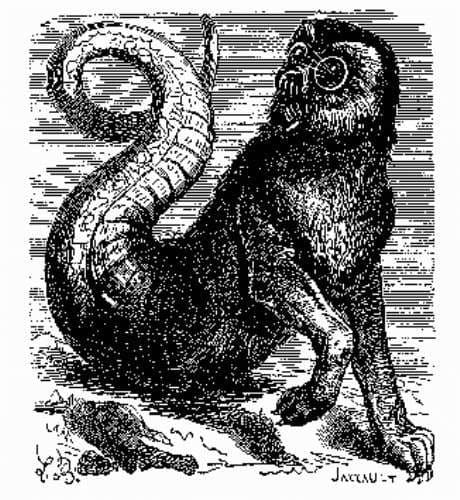
Aamon/Amon
Aamon, also known as Amon, is a Grand Marquis of Hell in demonology, commanding 40 infernal legions according to the Ars Goetia. He is notable for his knowledge of the past and future, his ability to reconcile friends and foes, and his association with life and reproduction. His origins are linked to ancient Libyan and Punic deities.
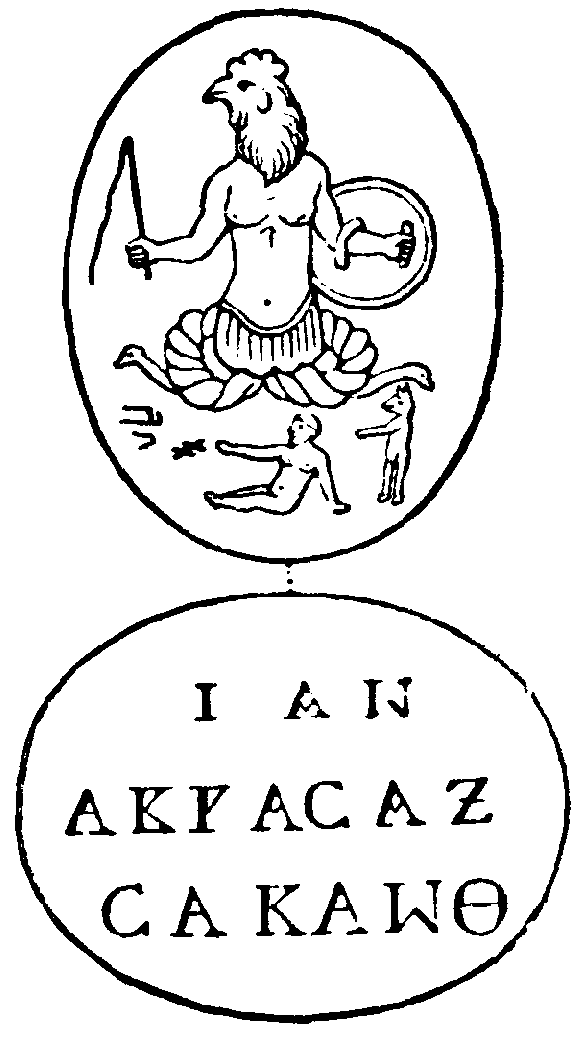
Abraxas
Abraxas, also known as Abrasax, is a significant figure in Gnostic Christianity, often referred to as the "Great Archon." His name appears in key Gnostic texts and ancient magical papyri, and he is notably associated with engraved gemstones known as Abraxas stones, which were used as amulets. The precise origin and meaning of his name are debated, with theories linking it to Egyptian, Hebrew, and Greek etymologies, and his role varies from a supreme deity to a cosmic ruler within Gnostic cosmology.

Abyzou
Abyzou is a female demon prominently featured in the folklore and demonological texts of the Near East and Europe, especially known for causing miscarriages and infant mortality. Driven by envy due to her own infertility, she is depicted as a malevolent entity with numerous names and forms. Her fullest depiction is in the Testament of Solomon, and she is also associated with figures like Gylou and Alabasandria, appearing on ancient magical amulets.