
St Magnus, Kirkwall
St Magnus Cathedral in Kirkwall, Orkney, is Scotland's oldest and the United Kingdom's most northerly cathedral. Originally a Roman Catholic cathedral founded in 1137, it is a significant example of Romanesque architecture with subsequent Gothic additions. It is now a parish church of the Church of Scotland and is owned by Orkney Islands Council.
Key Facts
- ›Construction began in 1137, funded by Earl Rögnvald Kali Kolsson to honor his uncle, St Magnus.
- ›The cathedral is a prime example of Romanesque architecture, with later Gothic elements added.
- ›It served as the seat of the Roman Catholic Bishop of Orkney until the Scottish Reformation.
- ›The cathedral has a dungeon that was historically used to incarcerate and try individuals accused of witchcraft.
- ›St Magnus Cathedral is the only wholly medieval Scottish cathedral and one of Britain's best-preserved buildings of that era.
- ›It was designated Category a listed in Scotland, its highest grade of protection.

- Original Romanesque Architecture
- Later Gothic Additions
- Cathedral Dungeon Used For Witchcraft Trials
- Polychrome Masonry Using Local Red and Yellow Sandstone
- Memorials To Notable Orcadians
- New West Window Unveiled By Queen Elizabeth Ii In 1987
Kol, George Mackie Watson
About St Magnus, Kirkwall
St Magnus Cathedral, Kirkwall
St Magnus Cathedral is a prominent landmark in Kirkwall, the main town of Orkney, Scotland. It stands as the oldest cathedral in Scotland and the most northerly in the United Kingdom. Originally consecrated as a Roman Catholic cathedral, it now functions as a parish church of the Church of Scotland. The building is a significant example of Romanesque architecture, with later Gothic elements incorporated during its extensive construction period.
Foundation and History
The foundation of St Magnus Cathedral is intricately linked to the martyrdom of St Magnus, an Earl of Orkney who was killed in 1116 or 1117. His reputation for piety and the reported miracles at his burial site led to his canonization. Earl Rögnvald Kali Kolsson, his nephew, vowed to build a magnificent stone cathedral in his uncle's honor. Construction commenced in 1137, with Earl Rögnvald's father, Kol, overseeing the initial work. The cathedral was added to and developed over the subsequent 300 years.
During its history, the cathedral served as the seat of the Bishop of Orkney. Its architectural style reflects its long construction, beginning with strong Romanesque features, evident in the masonry using red and yellow sandstone in a chequerboard pattern. Later additions, particularly in the east end and the lower front, introduced Gothic elements like pointed arches. The cathedral's history also includes periods of significant events, such as being a site for witchcraft trials from 1594 to 1708, with accused individuals often incarcerated in its dungeon. Despite the Protestant Reformation in 1560, the cathedral largely escaped dramatic changes, though it faced a threat in 1614 during a rebellion.
Architectural Significance and Later Developments
The original Romanesque design is attributed to English masons, possibly influenced by Durham Cathedral. As completed in the 12th century, it featured a chancel, transept, and nave. Significant modifications occurred in the late 12th and early 13th centuries with eastward extensions and vaulting, and again in the late 14th century with the integration of the front section. In 1908, major work was undertaken to replace the spire, giving it a more original appearance after its late 17th-century predecessor was struck by lightning. Renovation and restoration efforts continue, particularly addressing structural concerns at the west end. The cathedral houses memorials to many notable Orcadians, including writers and explorers.
Current Status
Today, St Magnus Cathedral is owned by Orkney Islands Council. It remains an active place of worship as a parish church of the Church of Scotland. It is recognized as a Category A listed building, signifying its highest level of architectural and historical importance in Scotland. The cathedral is a testament to Orkney's rich medieval past and its enduring cultural heritage.
Source: Wikipedia ↗
Frequently Asked Questions
When was St Magnus Cathedral built?
Construction of St Magnus Cathedral began in 1137. The building work continued for approximately 300 years, with additions and modifications made throughout that period.
Why was St Magnus Cathedral founded?
The cathedral was founded by Earl Rögnvald Kali Kolsson of Orkney in honor of his uncle, St Magnus. The foundation was a fulfillment of a promise to build a magnificent stone church in Kirkwall and move St Magnus's relics there.
What is the architectural style of St Magnus Cathedral?
The cathedral is primarily an example of Romanesque architecture, particularly in its original 12th-century construction. Later additions, such as pointed arches, introduced Gothic elements.
Is St Magnus Cathedral still an active church?
Yes, St Magnus Cathedral is currently an active parish church of the Church of Scotland. It serves as the ecclesiastical center for the Orkney Islands Church of Scotland parish.
What is the significance of the cathedral's dungeon?
The cathedral features a dungeon, historically known as Marwick's Hole, which was used to imprison individuals accused of witchcraft in Orkney between 1594 and 1708. Trials for these accusations were also held within the church.
Who is the patron saint of St Magnus Cathedral?
The cathedral is dedicated to St Magnus, an Earl of Orkney who was martyred in 1116 or 1117. His piety and the reported miracles at his burial site led to his canonization and the subsequent founding of the cathedral in his honor.
Related Cathedrals
Birsay
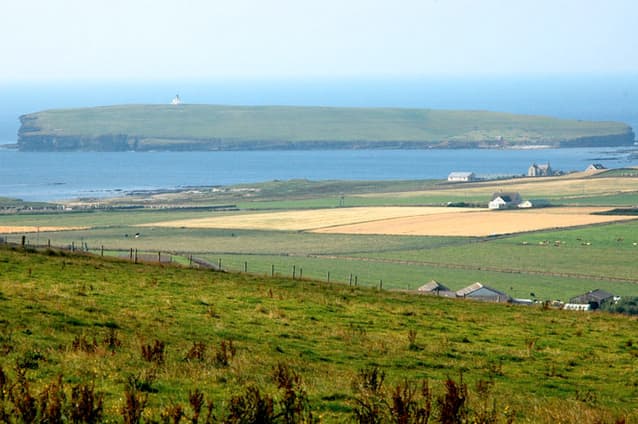
Birsay is a parish in Orkney, Scotland, notable for its ancient monuments and historical significance as the potential site of Orkney's first cathedral. The area features prehistoric and Norse settlements on the Brough of Birsay and the ruins of the 16th-century Earl's Palace.

Glasgow Cathedral
Glasgow Cathedral is a historic parish church of the Church of Scotland, serving as the mother church of the Archdiocese of Glasgow and the province of Glasgow from the 12th century until the Scottish Reformation. It is the oldest cathedral in mainland Scotland and the oldest building in Glasgow, notable for surviving the Reformation largely intact. The cathedral is dedicated to Saint Mungo, the city's patron saint, whose tomb is located within the Lower Church.
Dunkeld Cathedral
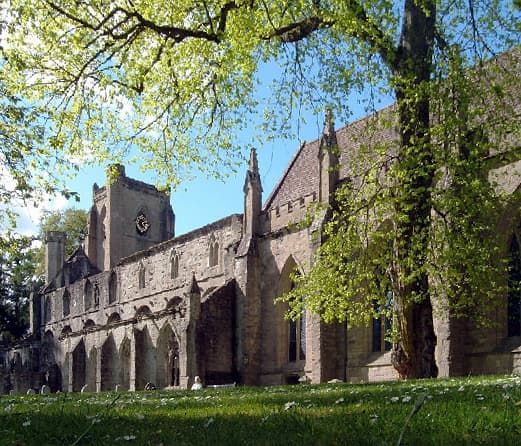
Dunkeld Cathedral is a historic Church of Scotland place of worship situated on the north bank of the River Tay in Dunkeld, Scotland. While no longer formally a cathedral with bishops, it retains the name and stands on the site of a former Culdee monastery, showcasing a blend of Gothic and Norman architectural elements. The cathedral is a significant historical site, believed to have once housed relics of Saint Columba, and is still an active parish church.