
Cimiez Cathedral
Diocese of Cimiez (formerly), Diocese of Nice·Roman Catholic·France
Cimiez Cathedral, also known as Cathédrale Sainte-Marie de Cimiez or Cathédrale Notre-Dame du Château, was a significant Roman Catholic church located on the Château de Nice hill in Nice, France. It served as the episcopal seat for the Diocese of Cimiez and later the Bishops of Nice before the bishop's seat was formally transferred to the present Nice Cathedral in 1590. The original structure, dating back to the late 10th century, underwent several rebuilds and additions before its eventual demolition in 1706 following damage sustained during the Siege of Nice.
Key Facts
- ›The site of Cimiez Cathedral was the location of the episcopal seat for the Diocese of Cimiez, which merged with the Diocese of Nice by 465 AD.
- ›The first cathedral on the castle hill was constructed in the Pre-Romanesque style at the end of the 10th century, with its high altar consecrated in 1049.
- ›The church was rebuilt in the 13th century on its original plan with an eastern extension and further modifications, including chapels, in the 15th century.
- ›The formal transfer of the bishop's seat to St. Reparata's church, which became the new cathedral, was confirmed in 1590.
- ›Cimiez Cathedral suffered damage during the Siege of Nice in 1691 and was demolished in 1706.

Three Aisles, Choir With Three Apses, Addition of Chapels In the 15th Century
About Cimiez Cathedral
Cimiez Cathedral, also known by its French names Cathédrale Sainte-Marie de Cimiez and Cathédrale Notre-Dame du Château, was a significant historical religious structure in Nice, France. Perched atop the Château de Nice hill, it held considerable religious and administrative importance for centuries before its eventual demolition.
History and Significance
The origins of Cimiez Cathedral trace back to the Roman port of Cemenelum, the precursor to modern Cimiez. It served as the episcopal seat for the Diocese of Cimiez, a role it continued even after being joined to the Diocese of Nice by 465 AD. The first cathedral structure on the castle hill was erected in the Pre-Romanesque architectural style towards the end of the 10th century. The consecration of its high altar took place in 1049. This early building featured three aisles and a choir composed of three apses, though it notably lacked a transept.
By the 13th century, the church had deteriorated significantly. It was subsequently rebuilt on its original plan, but with an eastward extension to accommodate its growing needs. Further enhancements were made in the 15th century, including the addition of several chapels, a fact confirmed by a papal bull issued by Pope Martin V in 1429. Despite these developments, the bishop's functions began a gradual transition to the church of St. Reparata in the early 16th century. This move culminated in the formal transfer of the bishop's seat to St. Reparata's, which was then elevated to cathedral status, in 1590.
Demolition
The fate of Cimiez Cathedral was sealed by conflict. The structure sustained severe damage during the Siege of Nice in 1691. Following this military engagement, the former cathedral was completely demolished in 1706, marking the end of its physical presence on the Château hill.
Source: Wikipedia ↗
Frequently Asked Questions
Where was Cimiez Cathedral located?
Cimiez Cathedral was situated on the hill of the Château de Nice, overlooking the city of Nice, France. This elevated position made it a prominent landmark.
When was Cimiez Cathedral first built?
The first cathedral on the castle hill site was constructed in the Pre-Romanesque architectural style at the end of the 10th century. Its high altar was consecrated in 1049.
Why was Cimiez Cathedral demolished?
Cimiez Cathedral was severely damaged during the Siege of Nice by Catinat in 1691. Following this damage, the former cathedral was entirely demolished in 1706.
What was the historical significance of Cimiez Cathedral?
It was initially the episcopal seat of the Diocese of Cimiez and later became the seat of the Bishops of Nice. Its existence predates the current Nice Cathedral.
Related Cathedrals

Dunblane Cathedral
Dunblane Cathedral is a historic Church of Scotland church located in Dunblane, Scotland, with parts dating back to the 11th century. Originally the seat of the bishops of Dunblane, it is now a parish church and a significant historical site, known for its largely 13th-century Gothic architecture and its collection of medieval woodwork. The cathedral is notable for being owned by the Crown and maintained by Historic Scotland, with no entrance fee.
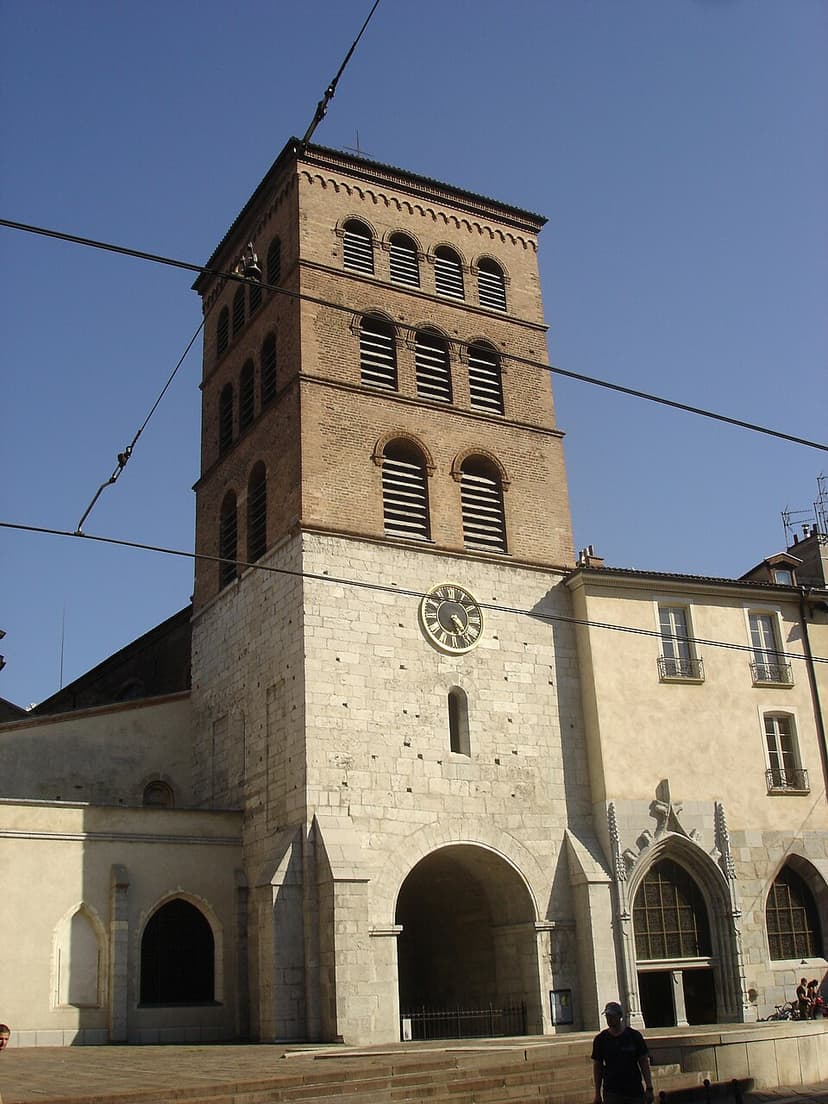
Grenoble Cathedral
Grenoble Cathedral, officially known as Cathédrale Notre-Dame de Grenoble, is a significant Roman Catholic church in Grenoble, France. It serves as the episcopal seat for the Bishop of Grenoble–Vienne and is recognized as a national monument of France.
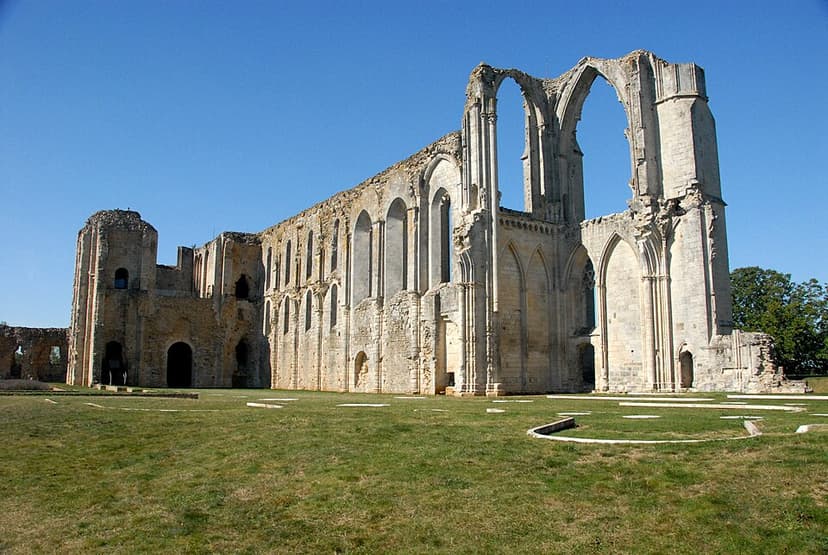
Maillezais Cathedral
Maillezais Cathedral, formerly the Abbey of Saint-Pierre, is a ruined Roman Catholic church located in Maillezais, Vendée, France. It evolved from a 10th-century abbey to a cathedral completed in the 15th century, serving as the seat of the Bishopric of Maillezais until its suppression in 1648. The site, known for its Romanesque and Gothic architectural elements, is now a heritage monument reflecting its significant religious and historical past.