
Birnie Kirk
Birnie Kirk is a rare 12th-century Norman parish church in Moray, Scotland, notable for being the first cathedral of the Bishop of Moray and one of Scotland's oldest churches in continuous use. While it served as a cathedral from 1107 to 1184, it later became a parish church. The building and its surrounding archaeological remains are a scheduled monument.
Key Facts
- ›Originally the first cathedral of the Bishop of Moray, serving in this capacity from 1107 to 1184.
- ›A rare example of a 12th-century Norman parish church constructed of finely cut freestone (ashlar).
- ›The church was restored in 1891, and its nave was shortened in 1734.
- ›Contains a 17th-century 'Hairy Bible' and a possible 6th-century Celtic bell.
- ›The site includes a Pictish symbol stone and an oval burial enclosure, suggesting pre-Christian origins.
- ›Closed for regular worship in November 2023 but is now used by the Roman Catholic Church's Personal Ordinariate for services.
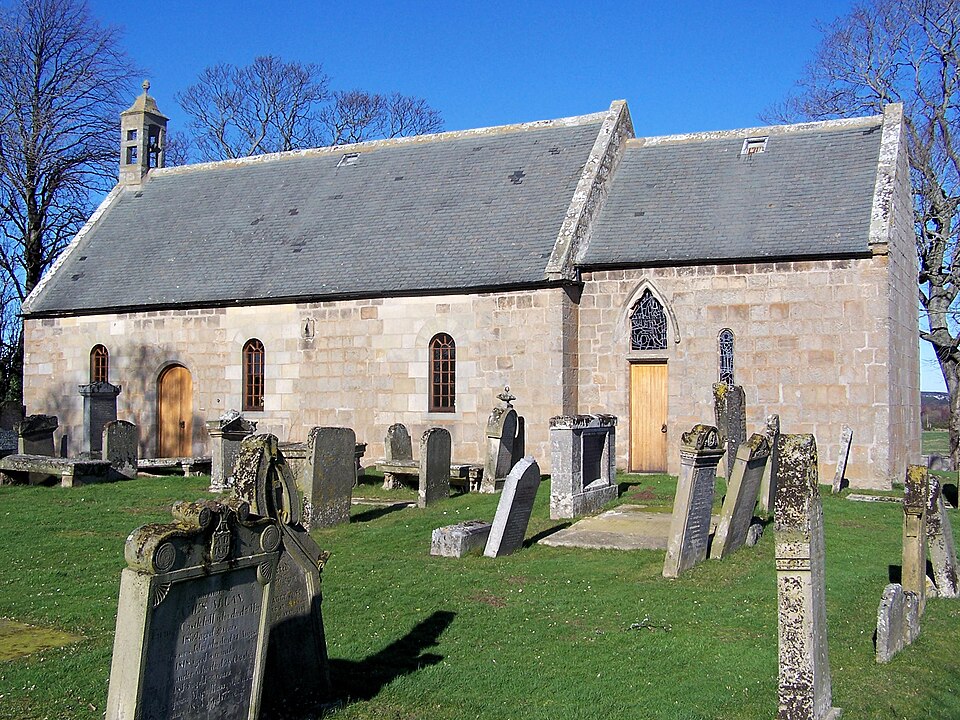
Norman, Romanesque
Norman Chancel Arch, Pictish Symbol Stone, Celtic Bell, 17th-Century 'Hairy Bible', Oval Burial Enclosure
12th Century
About Birnie Kirk
Birnie Kirk: A Historic Cathedral and Parish Church
Birnie Kirk is a significant 12th-century Norman parish church located near Elgin in Moray, Scotland. It holds historical importance as the first cathedral of the Bishop of Moray and is recognized as one of Scotland's oldest churches to have been in continuous use. The church, its graveyard, a symbol stone, and archaeological remains beneath the building have been designated a scheduled monument by Historic Environment Scotland, underscoring its historical and cultural value.
History and Function
The site of Birnie Kirk was the original seat of the Bishops of Moray, with the church serving as their cathedral from 1107 to 1184. Following this period, the seat of the bishopric moved to Elgin in 1322, though the function of a cathedral seat rotated between Birnie, Kinneddar, and Spynie until then. The current Norman building is believed to have replaced an earlier, 6th-century Celtic kirk, and the presence of a Pictish symbol stone suggests the site was a pre-Christian holy place. The church underwent restoration in 1891, and its nave was shortened in 1734.
Architectural Features and Artifacts
Constructed from finely cut freestone (ashlar), Birnie Kirk is rectangular with a short, square chancel separated from the nave by a rounded Norman chancel arch. The church contains lancet windows in its north and south walls. Among its notable interior features is a Celtic bell, said to have been made in Rome and blessed by the Pope, and a 17th-century bible known locally as the 'Hairy Bible'. A plain, Romanesque-style font stands in the corner of the nave. The surrounding oval burial enclosure suggests an early medieval site, and the Birnie Symbol Stone, a Class I Pictish artifact, stands against the west wall.
Recent Status
Birnie Kirk closed for regular worship following a final service on November 19, 2023, due to what the Church of Scotland described as 'radical reform' amid falling congregations. As of January 2024, by agreement with Elgin Kirk Session, the building is being used by the Roman Catholic Church's Personal Ordinariate of Our Lady of Walsingham for weekly Evening Prayer and monthly Mass, ensuring its continued use.
Source: Wikipedia ↗
Frequently Asked Questions
When was Birnie Kirk built?
Birnie Kirk is a 12th-century Norman parish church. It is thought to have been built to replace an earlier, 6th-century, Celtic kirk.
What was Birnie Kirk's role before becoming a parish church?
Birnie Kirk served as the first cathedral for the Bishop of Moray from 1107 to 1184. The seat of the bishop was rotated between Birnie, Kinneddar, and Spynie until it moved to Elgin in 1322.
What notable historical artifacts are found at Birnie Kirk?
Inside the chancel is a Celtic bell, believed to have been made in Rome and blessed by the Pope. The church also houses a 17th-century 'Hairy Bible' covered in calf's fur, and a plain, Romanesque style font in the nave.
What archaeological significance does Birnie Kirk hold?
The site of Birnie Kirk has pre-Christian origins, suggested by a Pictish symbol stone and an oval burial enclosure. Archaeological remains under the church and the graveyard have been designated a scheduled monument.
Is Birnie Kirk still used for worship?
Birnie Kirk closed for regular worship in November 2023. However, since January 2024, it has been used by the Roman Catholic Church's Personal Ordinariate of Our Lady of Walsingham for weekly Evening Prayer and monthly Mass.
Related Cathedrals
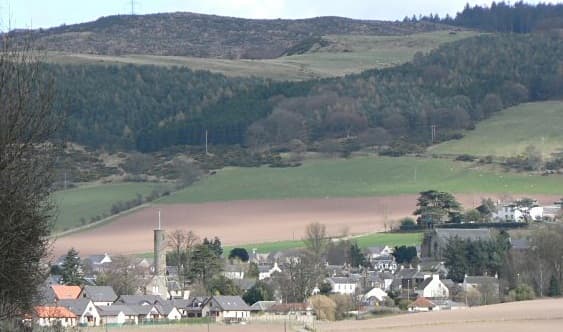
Abernethy, Perth and Kinross
Abernethy, Perth and Kinross, is a historic village in Scotland that was a significant religious and political center for the Picts. Its most prominent surviving medieval structure is the Abernethy Round Tower, one of only two such Irish-style towers remaining in Scotland, which likely served a monastic purpose. The village's strategic location near the confluence of the Rivers Earn and Tay and its historical importance are key to understanding its development.
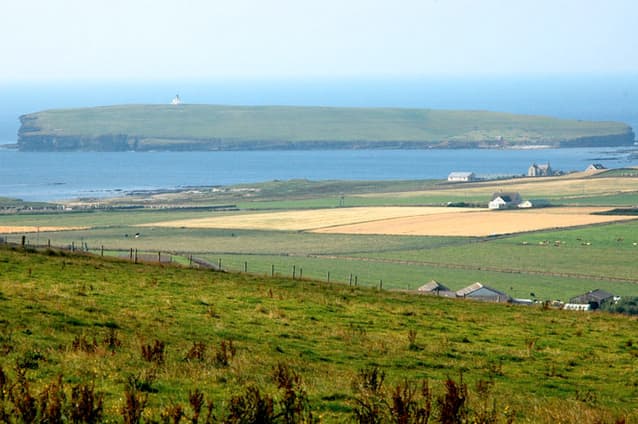
Birsay
Birsay is a parish in Orkney, Scotland, notable for its ancient monuments and historical significance as the potential site of Orkney's first cathedral. The area features prehistoric and Norse settlements on the Brough of Birsay and the ruins of the 16th-century Earl's Palace.

Abercorn
Abercorn is a village and civil parish in West Lothian, Scotland, historically significant for its 7th-century monastery which served as the seat of Bishop Trumwine, the sole bishop of the Northumbrian see of the Picts. While the monastery is long gone, the parish church partially dates from the 12th century and contains notable private aisles and mausoleums. Abercorn also held a short-lived bishopric in the 7th century and was the site of a castle from the 12th century.