
Arundel Cathedral
Arundel and Brighton·Roman Catholic·England
The Cathedral Church of Our Lady and St Philip Howard in Arundel, West Sussex, England, was dedicated in 1873 as a Catholic parish church and became a cathedral in 1965 with the foundation of the Diocese of Arundel and Brighton. It serves as the seat of the Bishop of Arundel and Brighton and is recognized as a Grade I listed building, notable for its French Gothic Revival architecture.
Key Facts
- ›Originally dedicated to our Lady and St Philip Neri, its dedication was changed in 1971 to our Lady and St Philip Howard.
- ›The cathedral's construction was commissioned by Henry Fitzalan-Howard, 15th Duke of Norfolk, in 1868.
- ›Designed by architect Joseph Hansom, its style is French Gothic, reflecting the period of the Howard family's rise to prominence.
- ›It is classified as a Grade I listed building by Historic England, signifying exceptional interest.
- ›In 2002, Elizabeth Stratford became the first woman to hold the post of Director of Music in an English cathedral when appointed Organist and Master of the Choristers.
- ›The annual Corpus Christi celebration features an intricate floral carpet created by volunteers.

French Gothic Revival
French Gothic Architecture, Grade I Listed Building Status, Annual Corpus Christi Floral Carpet Display, Relics of Philip Howard, 1st Earl of Arundel
19th Century
Joseph Hansom
About Arundel Cathedral
The Cathedral Church of Our Lady and St Philip Howard stands in Arundel, West Sussex, England. Originally dedicated in 1873 as the Catholic parish church for Arundel, it gained cathedral status in 1965 upon the establishment of the Diocese of Arundel and Brighton, becoming the episcopal seat for the Bishop of Arundel and Brighton. Recognized for its architectural significance, it is classified by Historic England as a Grade I listed building.
History and Patronage
The history and design of Arundel Cathedral are deeply intertwined with the Howard family, historically known as the Dukes of Norfolk and Earls of Arundel. Holding a prominent position in English Catholic aristocracy, their ancestral seat has been Arundel Castle since 1102. The suppression of Catholic worship in England following the Conventicle Act of 1664 meant that churches and cathedrals were transferred to the Church of England. The subsequent Roman Catholic Relief Act of 1829 made the lawful foundation of Catholic parishes possible once more.
In 1868, Henry Fitzalan-Howard, the 15th Duke of Norfolk, commissioned architect Joseph Hansom to create a new Catholic sanctuary. The chosen architectural style was French Gothic, a design that evoked the period between 1300 and 1400, coinciding with the era of the Howards' ascent to national prominence. The cathedral is considered one of the country's finest examples of Gothic Revival architecture in the French Gothic idiom and is Grade I listed.
Initially dedicated to Our Lady and St Philip Neri, the cathedral's dedication was altered in 1971. This change occurred following the canonization of Philip Howard, 1st Earl of Arundel, and the subsequent reburial of his relics within the cathedral, leading to its dedication as Our Lady and St Philip Howard.
Music and Events
In 2002, the cathedral appointed Elizabeth Stratford as Organist and Master of the Choristers, making her the first woman to serve as Director of Music in an English cathedral. Stratford's musical education and subsequent career have seen her hold significant positions and receive accolades.
The cathedral has also been a venue for musical performances, notably hosting music videos and concerts by the group Libera between 2007 and 2019.
Annual Celebrations
The annual Corpus Christi celebration at Arundel Cathedral is a significant event, drawing visitors and worshippers internationally. A central feature of this celebration is a breathtaking display of flowers, including an intricate floral carpet. This carpet is meticulously assembled in a single day by dedicated volunteers, with a unique theme presented each year. Visitors have the opportunity to witness the creation process or admire the completed display in the days following the event.
Source: Wikipedia ↗
Frequently Asked Questions
When was Arundel Cathedral built?
The foundation stone was laid in 1868, and the church was dedicated in 1873. It later became a cathedral in 1965.
What is the architectural style of Arundel Cathedral?
The cathedral is designed in the French Gothic style, a choice made by architect Joseph Hansom to align with the historical prominence of the Howard family during the 14th century.
Who is Arundel Cathedral dedicated to?
It is dedicated to Our Lady and St Philip Howard. Originally, it was dedicated to Our Lady and St Philip Neri, with the dedication changing after the relics of Philip Howard, 1st Earl of Arundel, were reburied there.
What is the significance of the Howard family to the cathedral?
The Howard family, Dukes of Norfolk and Earls of Arundel, have a long-standing connection to Arundel Castle since 1102. The cathedral's location, design, and dedication are largely attributed to their patronage, particularly Henry Fitzalan-Howard, 15th Duke of Norfolk.
What is notable about the Corpus Christi celebration at Arundel Cathedral?
The annual Corpus Christi celebration is known for its stunning display of flowers and devotion. A key feature is an intricate floral carpet, painstakingly put together by volunteers each year with a distinct theme.
Related Cathedrals
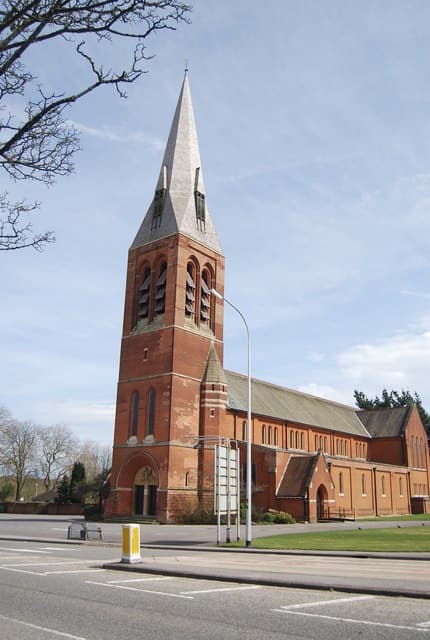
Aldershot Cathedral
The Cathedral Church of St Michael and St George is the Roman Catholic cathedral for the Bishopric of the Forces, located in Aldershot, England. Originally built as an Anglican church for the British Army, it was consecrated in 1893 and later repurposed in 1973 to become the seat of the Roman Catholic Bishop of the Forces. It is a significant landmark due to its Gothic Revival architecture and its close association with military history.
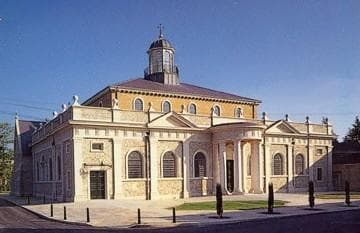
Brentwood Cathedral
Brentwood Cathedral, officially the Cathedral of St Mary and St Helen, is the seat of the Roman Catholic Diocese of Brentwood in England. Originally a parish church built in 1861, it was elevated to cathedral status in 1917 and significantly enlarged and redesigned in an Italianate classical style between 1989 and 1991. Its architecture draws inspiration from the Italian Renaissance and English Baroque, creating a space focused on liturgy and flooded with light.
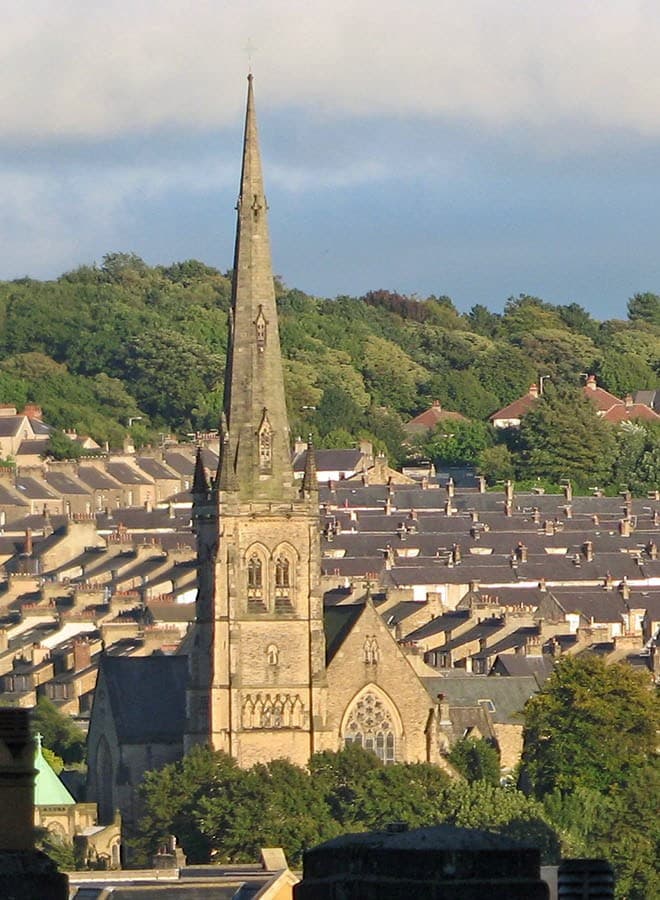
Lancaster Cathedral
Lancaster Cathedral, officially known as The Cathedral Church of St Peter and Saint Peter's Cathedral, is a significant Roman Catholic cathedral in Lancaster, England. Originally a parish church, it was elevated to cathedral status in 1924, marking its increased importance within the Diocese of Lancaster. The current structure, a notable example of Gothic Revival architecture, was built between 1857 and 1859.