
Aosta Cathedral
Diocese of Aosta·Roman Catholic·Italy
Aosta Cathedral, also known as the Cathedral of Santa Maria Assunta and San Giovanni Battista, is a Roman Catholic cathedral in Aosta, Italy, with origins dating back to the 4th century. It serves as the episcopal seat for the Diocese of Aosta and has undergone significant architectural modifications throughout its history, reflecting various styles from its Romanesque foundations to its Neoclassical facade.
Key Facts
- ›Originally built in the 4th century as a Palaeo-Christian structure.
- ›Rebuilt in the 11th century and dedicated to the Assumption of the Virgin Mary and Saint John the Baptist.
- ›Underwent architectural modifications in the 15th and 16th centuries.
- ›Features remaining Romanesque elements including two clock-towers and a crypt.
- ›The current facade was constructed between 1846 and 1848 in the Neoclassical style.
- ›Houses an Ottonian fresco cycle on the church ceiling.
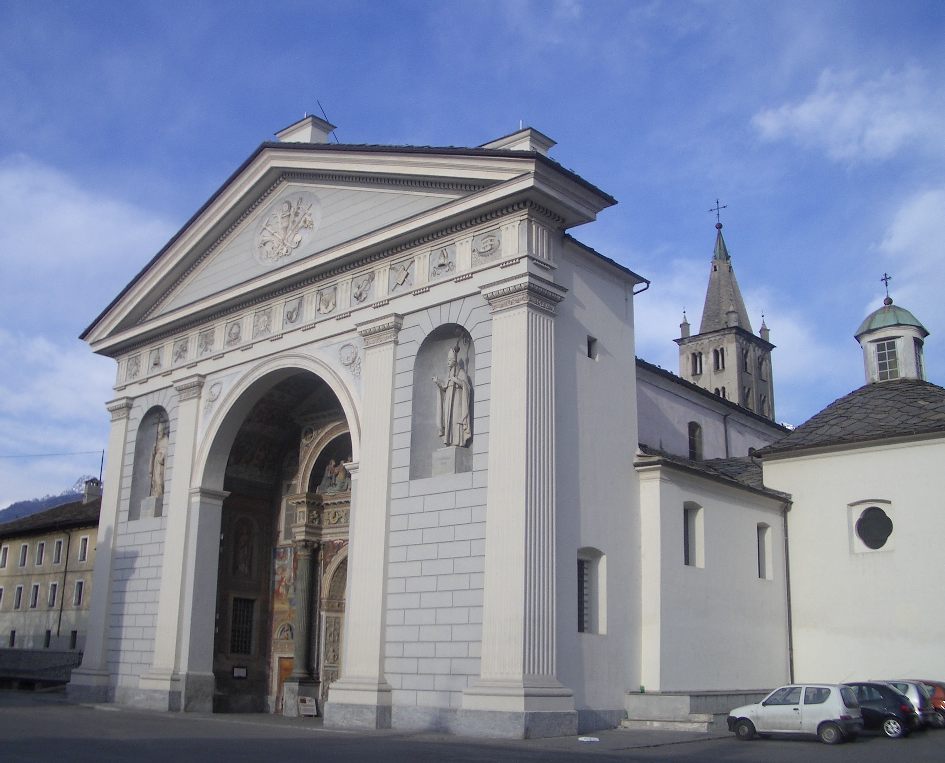
Neoclassical, Renaissance, Romanesque, Palaeo-Christian
- Remaining Romanesque Clock-Towers
- Romanesque Crypt
- Ottonian Fresco Cycle
- 16th-Century Renaissance Portal With Statues and Frescoes
- Neoclassical Facade
About Aosta Cathedral
Aosta Cathedral, officially the Cathedral of Santa Maria Assunta and San Giovanni Battista, is a significant religious edifice located in Aosta, Italy. Its history stretches back to the 4th century, making it one of the region's ancient ecclesiastical centers. The cathedral serves as the principal church and episcopal seat of the Diocese of Aosta, embodying centuries of religious and architectural evolution.
Historical Development and Architecture
The earliest structures at the site date from the 4th century, representing a Palaeo-Christian foundation. A major transformation occurred in the 11th century when the previous building was replaced by a new one dedicated to the Assumption of the Virgin Mary and Saint John the Baptist. This Romanesque phase left enduring elements, including two distinctive clock-towers and a crypt, as well as a notable Ottonian fresco cycle adorning the church ceiling.
Further architectural modifications shaped the cathedral during the 15th and 16th centuries. The present-day facade, however, is a product of the mid-19th century, constructed between 1846 and 1848 in the Neoclassical style. This facade encloses a 16th-century portal, a fine example of Renaissance design, which is elaborately decorated with statues and frescoes illustrating scenes from the life of the Virgin Mary. The layering of these distinct architectural periods provides a rich visual narrative of the cathedral's long and storied past.
Source: Wikipedia ↗
Frequently Asked Questions
When was Aosta Cathedral first built?
Aosta Cathedral was originally built in the 4th century. It underwent a significant rebuilding in the 11th century and further modifications in the 15th and 16th centuries.
What are the main architectural styles found at Aosta Cathedral?
The cathedral exhibits various architectural styles. While its foundations are Palaeo-Christian and it retains Romanesque elements like clock-towers and a crypt, its facade is Neoclassical, built between 1846 and 1848. It also features a 16th-century Renaissance portal.
What notable features can be seen at Aosta Cathedral?
Notable features include the remaining Romanesque clock-towers and crypt, an Ottonian fresco cycle on the church ceiling, and the 16th-century Renaissance portal with statues and frescoes depicting the life of the Virgin Mary. The present facade is in the Neoclassical style.
Who are the patron saints of Aosta Cathedral?
Aosta Cathedral is dedicated to the Assumption of the Virgin Mary and Saint John the Baptist.
Related Cathedrals

Albenga Cathedral
Albenga Cathedral, officially the Cathedral of Saint Michael the Archangel, is a Roman Catholic cathedral in Albenga, Italy, serving as the seat of the Diocese of Albenga-Imperia. Occupying a site with a church since the late 4th or early 5th century, its present medieval structure dates primarily from around 1100, with significant rebuilding in the late 12th century and later modifications, notably in 1582. A restoration in the 1970s aimed to restore its medieval appearance, and the bell tower was substantially rebuilt in the late 14th century.
Aquileia Cathedral
The Basilica di Santa Maria Assunta in Aquileia is the principal church of the town, with its origins dating back to the fourth century. The current basilica was constructed in the eleventh century and subsequently rebuilt in the thirteenth century, showcasing a Romanesque-Gothic architectural style. It is renowned for its significant 4th-century mosaic pavement and early Christian frescoes.
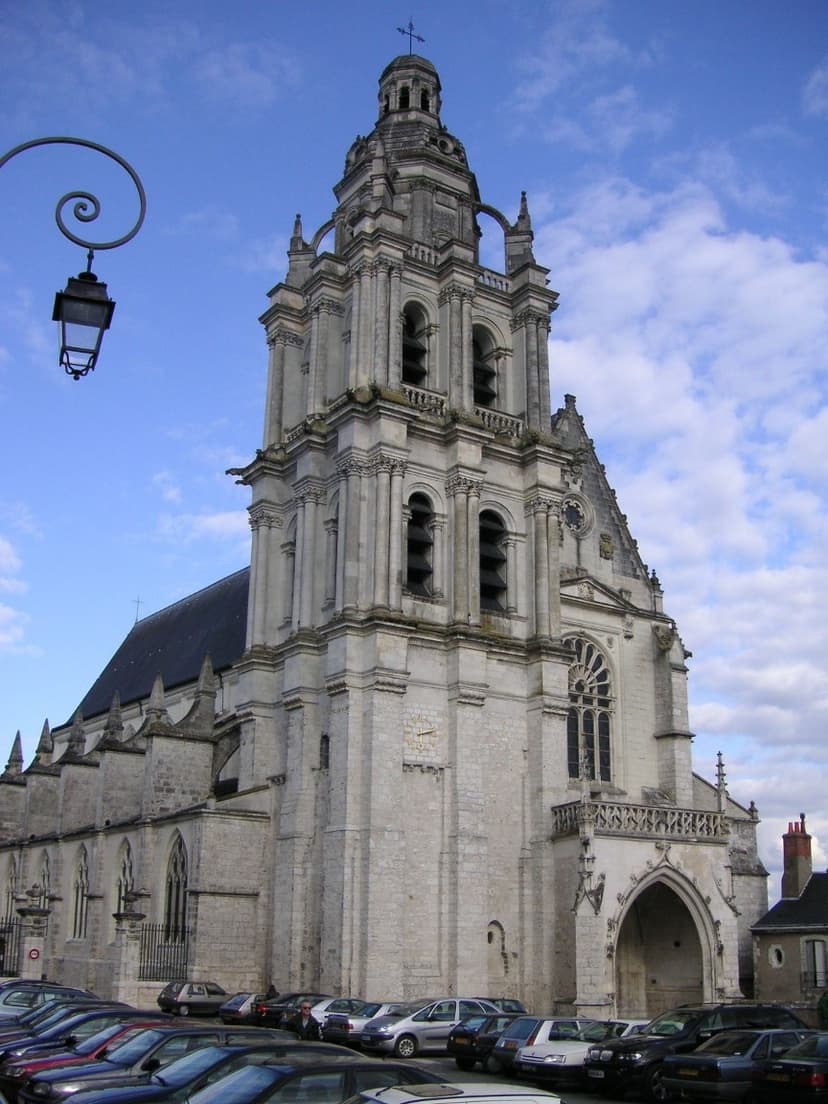
Blois Cathedral
Blois Cathedral, officially the Cathedral of Saint-Louis of Blois, is a significant example of Late Gothic architecture located in Blois, France. It serves as the seat of the Diocese of Blois and holds a rich history, having been rebuilt and modified over centuries, most notably after a severe storm in 1678 led to a major Gothic reconstruction.