
Acerra Cathedral
Diocese of Acerra·Roman Catholic·Italy
Acerra Cathedral, officially the Cathedral of Santa Maria Assunta, is a Roman Catholic cathedral in Acerra, Campania, southern Italy, dedicated to the Assumption of the Virgin Mary. It has served as the episcopal see for the Bishop of Acerra since the 11th century, with the current Neoclassical structure dating from the 19th century.
Key Facts
- ›The cathedral is dedicated to the Assumption of the Virgin Mary.
- ›It has been the seat of the Bishop of Acerra since the 11th century.
- ›The current building is a 19th-century Neoclassical structure.
- ›It stands on the site of an Ancient Roman temple dedicated to Hercules.
- ›The cathedral features a Latin cross ground plan with a nave, two side aisles, and a cupola.
- ›Notable artworks include an altarpiece by Giacinto Diana and paintings by Giovan Bernardo Azzolino and Fabrizio Santafede.
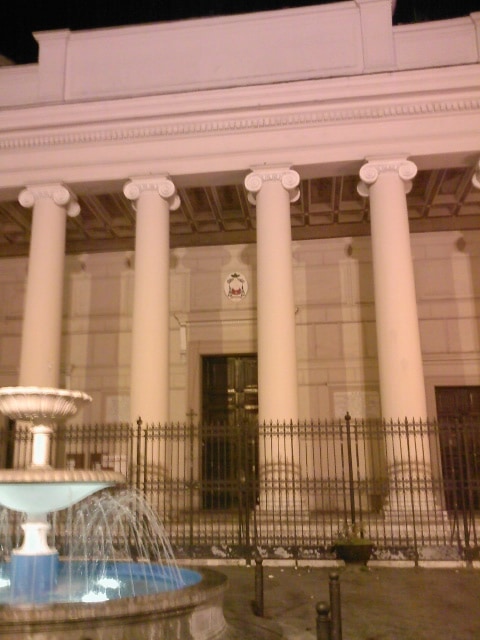
Neoclassical
- Neoclassical West Front With Ionic Columns
- Altarpiece of the Assumption of the Virgin Mary By Giacinto Diana
- Painting of the Madonna With Rosary By Giovan Bernardo Azzolino
- Painting of San Girolamo By Fabrizio Santafede
- Carving In High Relief By the School of Giovanni Da Nola
19th Century
About Acerra Cathedral
Acerra Cathedral, officially known as the Cattedrale di Santa Maria Assunta and sometimes referred to as Duomo di Acerra, is a prominent Roman Catholic cathedral located in the town of Acerra in Campania, southern Italy. It is dedicated to the Assumption of the Virgin Mary.
History and Significance
The cathedral holds significant historical and religious importance as it has served as the episcopal see for the Bishop of Acerra since the 11th century. The present structure, however, is a 19th-century reconstruction, built in the Neoclassical style. It stands on a site with ancient roots, having been built upon the foundations of an Ancient Roman temple dedicated to Hercules, highlighting a continuous tradition of sacred use.
Architecture and Art
The cathedral features a Latin cross ground plan, comprising a nave and two side aisles separated by piers, and is crowned by a cupola. The west front exhibits distinct Neoclassical elements, notably adorned with eight large Ionic columns. The interior of Acerra Cathedral houses a collection of significant artworks, including the principal altarpiece depicting the Assumption of the Virgin Mary by Giacinto Diana, painted in 1796. Other notable pieces include a 17th-century painting of the Madonna with Rosary by Giovan Bernardo Azzolino and a painting of San Girolamo by Fabrizio Santafede. Additionally, a carving in high relief, attributed to the school of Giovanni da Nola, is also housed within the cathedral.
Source: Wikipedia ↗
Frequently Asked Questions
What is Acerra Cathedral dedicated to?
Acerra Cathedral is dedicated to the Assumption of the Virgin Mary. Its Italian name, Duomo di Acerra, and its official title, Cattedrale di Santa Maria Assunta, both reflect this dedication.
When did Acerra Cathedral become the seat of a bishop?
Acerra Cathedral has been the seat of the Bishop of Acerra since the 11th century. This signifies its long-standing importance as a central religious site for the region.
What is the architectural style of the current cathedral?
The present Acerra Cathedral is built in the Neoclassical style. The west front, in particular, is characterized by eight large Ionic columns.
What historical site does Acerra Cathedral occupy?
The current cathedral stands on the site of an Ancient Roman temple dedicated to Hercules. This indicates a long history of religious significance at this location.
What notable artworks can be found in Acerra Cathedral?
The cathedral houses several significant works of art, including an altarpiece of the Assumption of the Virgin Mary by Giacinto Diana, a 17th-century painting of the Madonna with Rosary by Giovan Bernardo Azzolino, and a painting of San Girolamo by Fabrizio Santafede.
Related Cathedrals
Acquaviva Cathedral
Acquaviva delle Fonti Cathedral, also known as the Concattedrale di Sant'Eustachio, is the principal church of Acquaviva delle Fonti and serves as a co-cathedral within the Diocese of Altamura-Gravina-Acquaviva delle Fonti. Originally a Romanesque structure from the 12th century, it was significantly rebuilt in a Renaissance style in the 16th century and consecrated in 1623.

Alatri Cathedral
Alatri Cathedral, officially the Basilica of Saint Paul, is a Roman Catholic cathedral in Alatri, Lazio, Italy. Originally the cathedral of the Diocese of Alatri, it is now a co-cathedral of the Diocese of Anagni-Alatri. It holds significant relics, including those of Saint Sixtus I and the Ostia incarnata from the Eucharistic miracle of Alatri, making it a site of considerable religious importance.
Alghero Cathedral
Alghero Cathedral, officially the Cathedral of St. Mary the Immaculate, is a Roman Catholic cathedral located in the historic center of Alghero, Sardinia, Italy. It served as the seat of the Bishop of Alghero from 1503 to 1986 and has been the seat of the Bishop of Alghero-Bosa since then. The cathedral is notable for its blend of architectural styles, reflecting its long construction and restoration history.