
Abdulmejid I
Abdulmejid I was the 31st Sultan of the Ottoman Empire, reigning from 1839 to 1861. He is best known for initiating the Tanzimat era, a period of significant reorganization and reform within the empire, aimed at modernizing its administration, legal system, and society. His reign also saw the Ottoman Empire forge crucial alliances with Western European powers, notably during the Crimean War.
Key Facts
- ›Sultan of the Ottoman Empire from 1839 to 1861.
- ›Initiated the Tanzimat era, a period of modernization and reform.
- ›Announced the Tanzimat Edict upon his accession to the throne.
- ›Formed alliances with the United Kingdom and France.
- ›Fought in the Crimean War against Russia.
- ›Died of tuberculosis at the age of 38.

- Accession To the Throne
- Announcement of the Tanzimat Edict
- Oriental Crisis of 1840
- Proclamation of the Edict of GüLhane
- Creation of the First Banknotes and Establishment of the Ottoman Lira
- Crimean War
- Imperial Reform Edict
- Congress of Paris
- Kuleli Incident
Abdülmecid, I. Abdülmecid
- Initiation of the Tanzimat era
- Announcement of the Tanzimat edict
- Reforms in law, administration, and education
- Inclusion of the Ottoman Empire in the Concert of Europe
Mahmud Ii, Mustafa Reshid Pasha, Muhammad Ali, Queen Victoria
DolmabahçE Palace, KüçüK Mecidiye Mosque, TeşVikiye Mosque, Beykoz Pavilion, KüçüKsu Pavilion
- First sultan to speak fluent French
- Interest in literature and classical music
- Establishment of the first modern universities in the European tradition
- Foundation of the first French theatre in Istanbul
About Abdulmejid I
Abdülmecid I
Abdülmecid I was the 31st Sultan of the Ottoman Empire, reigning from July 2, 1839, until his death on June 25, 1861. Born on April 25, 1823, he succeeded his father, Mahmud II, at the young age of sixteen. His reign is largely defined by the Tanzimat era, a period of extensive reorganization and reform aimed at modernizing the Ottoman state and society.
Life and Reign
Upon ascending the throne, Abdülmecid I inherited a precarious political situation, with the empire facing military defeat and territorial threats, notably from Muhammad Ali of Egypt. However, through the intervention of European powers during the Oriental Crisis of 1840, the empire was able to retain its territories in Syria, Lebanon, and Palestine. Abdülmecid I, influenced by progressive viziers like Mustafa Reshid Pasha, embraced reforms that sought to integrate all subjects of the empire, regardless of religion or ethnicity, under the concept of "Ottomanism." These reforms, codified in the Edict of Gülhane (1839) and later the Imperial Reform Edict (1856), aimed to ensure security of life and property, establish impartial justice, and grant religious liberty and equal civil rights. Despite facing opposition from conservative elements, these reforms led to significant changes, including the reorganization of the financial system, the establishment of modern educational institutions, and the adoption of a national flag and anthem.
Foreign Policy and the Crimean War
In foreign affairs, Abdülmecid I forged strong alliances with Western European powers, particularly the United Kingdom and France. This alliance was crucial during the Crimean War (1853-1856), where the Ottoman Empire, alongside its allies, fought against Russia. The war concluded with the Treaty of Paris, which saw the Ottoman Empire officially recognized as part of the "Concert of Europe." However, the war also led to significant foreign borrowing, contributing to financial difficulties that would plague the empire in later years.
Architectural and Personal Life
Abdülmecid I was known for his interest in European culture, speaking fluent French and embracing Western fashions at court. He moved the imperial residence from the historic Topkapı Palace to the newly constructed, more modern Dolmabahçe Palace. His reign also saw considerable architectural activity, with the construction of several palaces, pavilions, and mosques, often financed by foreign loans. Personally, Abdülmecid I was described as mild-mannered and clemency, even refusing to sanction executions of those who conspired against him. He died of tuberculosis at the age of 38, succeeded by his half-brother, Abdul Aziz.
Source: Wikipedia ↗
Frequently Asked Questions
When did Abdulmejid I reign as Sultan?
Abdulmejid I reigned as the 31st Sultan of the Ottoman Empire from July 2, 1839, until his death on June 25, 1861.
What was the Tanzimat era?
The Tanzimat era, which began with Abdulmejid I's accession, was a period of significant reorganization and reform in the Ottoman Empire. Its main goal was to modernize the empire's administration, legal system, and society, and to encourage Ottomanism among its diverse populations.
What role did Abdulmejid I play in the Crimean War?
Abdulmejid I led the Ottoman Empire into the Crimean War against Russia, forming alliances with France and Great Britain. The Ottoman Empire was a signatory to the Treaty of Paris in 1856, which concluded the war.
What were some of the key reforms introduced during Abdulmejid I's reign?
Key reforms included the Edict of Gülhane (Tanzimat Fermanı) which promised protection of life and property, fair taxation, and religious liberty. Other reforms involved reorganizing the financial system, abolishing tax farming, establishing modern universities, and reforming the military.
Did Abdulmejid I face any significant foreign policy challenges?
Yes, Abdulmejid I faced the Oriental Crisis of 1840, where European powers intervened to resolve a conflict with Muhammad Ali of Egypt, saving the Ottoman Empire from further territorial losses. He also had to navigate the complex relationships with European powers during the Crimean War and its aftermath, which led to foreign loans and increased intervention.
What architectural projects were undertaken during his reign?
Abdulmejid I moved the imperial residence from Topkapı Palace to the more modern Dolmabahçe Palace. Other architectural works from his reign include the Beykoz Pavilion, Küçüksu Pavilion, Küçük Mecidiye Mosque, and Teşvikiye Mosque, many of which were financed by borrowed money.
Related Caliphs
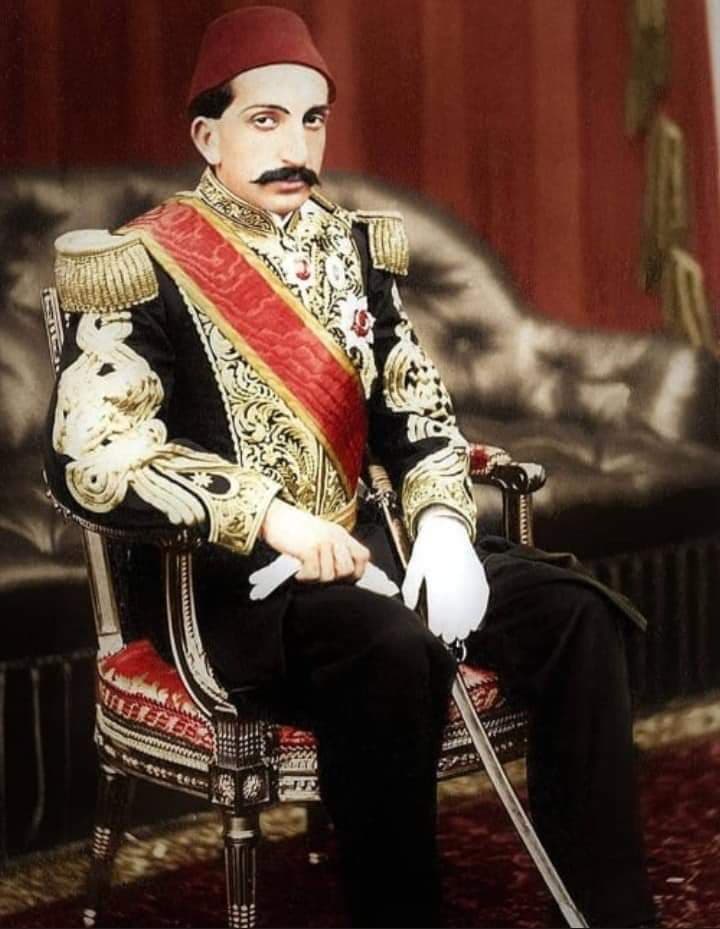
Abdul Hamid II
Abdul Hamid II was the 34th Sultan of the Ottoman Empire, reigning from 1876 to 1909. He is known for his autocratic rule, the promulgation and subsequent suspension of the Ottoman Empire's first constitution, and his promotion of Pan-Islamism. Despite presiding over a period of territorial decline and internal unrest, his reign also saw significant modernization efforts in education and infrastructure.
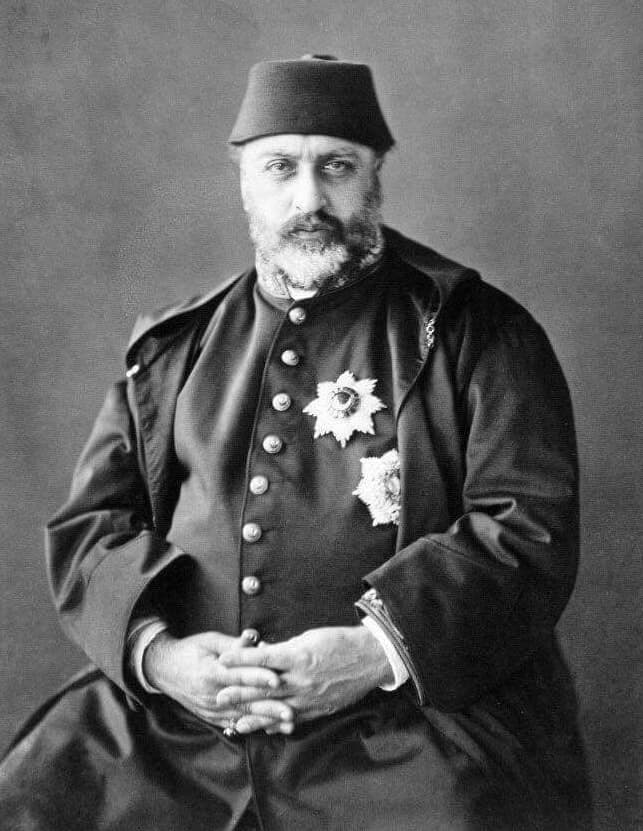
Abdulaziz
Abdulaziz was the Sultan of the Ottoman Empire from 1861 to 1876, succeeding his brother Abdulmejid I. His reign was marked by attempts to modernize the empire, including his historic tour of Western Europe and the establishment of railway networks. However, it was also characterized by growing economic difficulties, leading to his deposition and subsequent death, officially ruled a suicide.

Abdul Hamid I
Abdul Hamid I was the Sultan of the Ottoman Empire from 1774 to 1789. Despite his devout and pacifist nature, his reign was marked by significant territorial losses, including Crimea, and defeats against Russia and Austria, largely due to the Treaty of Küçük Kaynarca. He is remembered for his attempts at military and naval reforms and for his personal piety.