
Abdulaziz
Abdulaziz was the Sultan of the Ottoman Empire from 1861 to 1876, succeeding his brother Abdulmejid I. His reign was marked by attempts to modernize the empire, including his historic tour of Western Europe and the establishment of railway networks. However, it was also characterized by growing economic difficulties, leading to his deposition and subsequent death, officially ruled a suicide.
Key Facts
- ›Reigned as Sultan of the Ottoman Empire from June 25, 1861, to May 30, 1876.
- ›First Ottoman Sultan to travel to Western Europe, visiting Paris, London, and Vienna in 1867.
- ›Initiated the establishment of the first Ottoman railway networks, including the Rumelia and Anatolia Railways.
- ›Modernized the Ottoman Navy, which became the third largest in the world by 1875.
- ›His reign ended with his deposition due to economic mismanagement, famine, and uprisings.
- ›His death was officially ruled a suicide, though conspiracy theories persist.
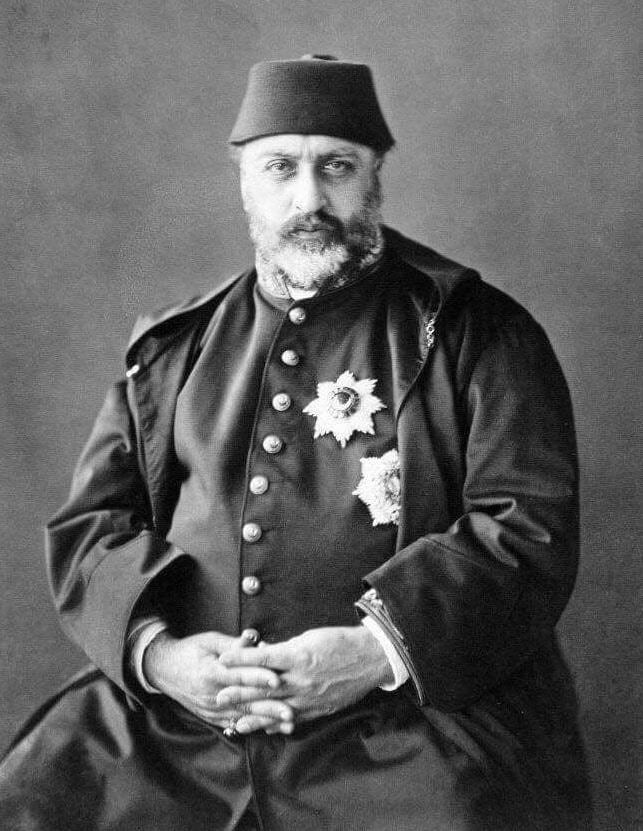
- First Ottoman sultan to travel to Western Europe
- Promulgation of the Vilayet Law
- Establishment of the Rumelia Railway Concession
- Establishment of the Anatolia Railway
- Recognition of the Khedive title for the governor of Egypt and Sudan
- Declaration of sovereign default
- Deposition from the throne
ʿAbdü'l-ʿAzîz, Abdülaziz
- First Ottoman sultan to travel to Western Europe
- Established the first Ottoman railway networks
- Modernized the Ottoman Navy
- Integral in establishing the first Ottoman Civil Code, the Mecelle
- Oversaw the organization of public education on the French model and the reorganization of Istanbul University
Mahmud Ii, Pertevniyal Sultan, Abdulmejid I, Fuad Pasha, Aali Pasha, Young Ottomans, Queen Victoria, Napoleon Iii, Isma'Il Pasha, Midhat Pasha
Beylerbeyi Palace, Pertevniyal Valide Sultan Mosque
- Classical music composer
- Interest in documenting the Ottoman Empire
- Ordered the establishment of the Imperial Museum in Istanbul
Sultan
About Abdulaziz
Abdulaziz reigned as the Sultan of the Ottoman Empire from June 25, 1861, to May 30, 1876. He was the son of Sultan Mahmud II and succeeded his brother, Abdulmejid I. His reign occurred during a period when the Ottoman Empire was attempting to modernize and recover following the Crimean War, though it had become increasingly reliant on European financial capital.
Early Life and Education
Born in Constantinople on February 8, 1830, Abdulaziz received an Ottoman education but held a strong admiration for the material advancements in the West. This fascination led him to become the first Ottoman Sultan to undertake a diplomatic journey to Western Europe in the summer of 1867. During this tour, he visited major European capitals including Paris, London, and Vienna. Beyond his political interests, Abdulaziz was also a composer of classical music and showed a keen interest in documenting the Ottoman Empire.
Reign and Reforms
Abdulaziz's early reign saw the continuation of the Tanzimat reforms under the guidance of his chief ministers, Mehmed Fuad Pasha and Mehmed Emin Aali Pasha. Significant administrative changes were implemented, including the establishment of new vilayets in 1864 and a Council of State in 1868. Public education was reorganized along French lines, and Istanbul University was reformed. Abdulaziz was also instrumental in the creation of the first Ottoman civil code, the Mecelle. Under his rule, Turkey issued its first postage stamps in 1863, and the Ottoman Empire became a founding member of the Universal Postal Union in 1875.
European Tour and Diplomacy
Abdulaziz's 1867 European tour was a landmark event, aimed at strengthening Ottoman credit and deterring potential foreign intervention, particularly regarding the rebellious island of Crete. During his visit to London, he was honored as a Knight of the Garter by Queen Victoria. Impressed by the museums he visited, he ordered the establishment of the Imperial Museum in Istanbul, which would become the Istanbul Archaeology Museum. His reign also saw the recognition of the title Khedive for the Governor of Egypt and Sudan in 1867, formalizing the autonomy of the region.
Infrastructure and Economic Challenges
Abdulaziz championed the development of railway networks. In 1869, the concession for the Rumelia Railway, intended to connect Istanbul to Vienna, was awarded. He also established the Anatolia Railway, with construction beginning on the Asian side of Istanbul in 1871. Despite these modernization efforts, the empire faced mounting economic difficulties. The substantial budget allocated to the navy, combined with the Anatolian famine of 1873–1875, severely reduced government revenues. This financial strain led the Ottoman government to declare a sovereign default on October 30, 1875.
Decline and Deposition
By 1871, both of Abdulaziz's key ministers, Fuad Pasha and Aali Pasha, had died. The subsequent years saw increasing reliance on less competent advisors and growing unrest in the Balkan provinces, exacerbated by events like the Herzegovinian rebellion and the Bulgarian April Uprising. These internal crises, coupled with the empire's financial instability and diplomatic isolation, contributed to the Great Eastern Crisis. Ultimately, on May 30, 1876, Abdulaziz was deposed by his ministers, who cited his mismanagement of the economy as the primary reason.
Death
Following his deposition, Abdulaziz was moved to Feriye Palace. He became increasingly anxious about his security. On June 4, 1876, he was found dead from severe blood loss from wounds on his arms. A group of physicians examined his body and concluded that he had committed suicide. However, some accounts and theories from his family and others have suggested that he may have been assassinated.
Legacy
Abdulaziz's reign is remembered as a period of significant attempted modernization and reform, particularly in infrastructure and the military. However, it was also a time of deepening economic crisis and political instability that ultimately led to his downfall and foreshadowed further challenges for the Ottoman Empire.
Source: Wikipedia ↗
Frequently Asked Questions
When did Abdulaziz reign as Sultan of the Ottoman Empire?
Abdulaziz reigned as the Sultan of the Ottoman Empire from June 25, 1861, until his deposition on May 30, 1876.
What was Abdulaziz known for regarding travel?
Abdulaziz was notable for being the first Ottoman Sultan to undertake a diplomatic tour of Western Europe. During the summer of 1867, he visited important European capitals such as Paris, London, and Vienna.
What were some of Abdulaziz's key infrastructure projects?
During his reign, Abdulaziz focused on developing infrastructure, particularly railways. He was instrumental in establishing the first Ottoman railway networks, including the Rumelia Railway connecting Istanbul to Vienna and the Anatolia Railway.
What led to the end of Abdulaziz's reign?
Abdulaziz's reign concluded with his deposition due to severe economic problems, including famine, financial crisis, and a declaration of sovereign default. These issues, coupled with government dysfunction and uprisings, culminated in a general international crisis.
How did Abdulaziz die?
Abdulaziz was found dead from what was officially ruled a suicide on June 4, 1876, six days after his deposition. Physicians certified that the wounds on his arms were self-inflicted, though some sources suggest assassination.
Did Abdulaziz contribute to the modernization of the Ottoman Navy?
Yes, Abdulaziz placed significant emphasis on modernizing the Ottoman Navy. By 1875, the navy ranked as the third largest in the world, a testament to his efforts in expanding and upgrading its fleet.
Related Caliphs

Abdulmejid I
Abdulmejid I was the 31st Sultan of the Ottoman Empire, reigning from 1839 to 1861. He is best known for initiating the Tanzimat era, a period of significant reorganization and reform within the empire, aimed at modernizing its administration, legal system, and society. His reign also saw the Ottoman Empire forge crucial alliances with Western European powers, notably during the Crimean War.
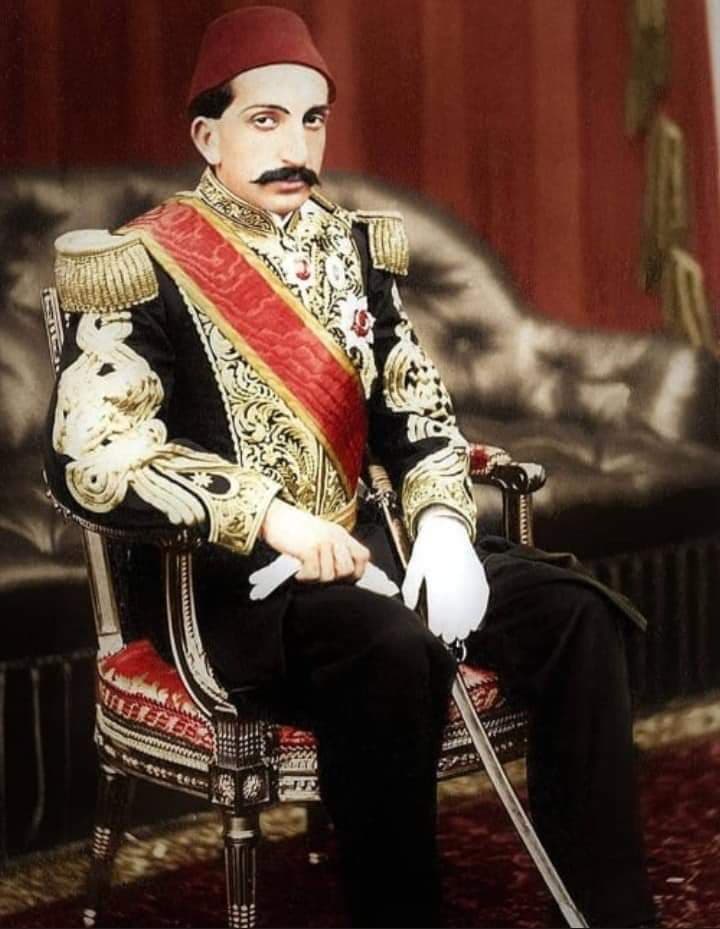
Abdul Hamid II
Abdul Hamid II was the 34th Sultan of the Ottoman Empire, reigning from 1876 to 1909. He is known for his autocratic rule, the promulgation and subsequent suspension of the Ottoman Empire's first constitution, and his promotion of Pan-Islamism. Despite presiding over a period of territorial decline and internal unrest, his reign also saw significant modernization efforts in education and infrastructure.

Abdul Hamid I
Abdul Hamid I was the Sultan of the Ottoman Empire from 1774 to 1789. Despite his devout and pacifist nature, his reign was marked by significant territorial losses, including Crimea, and defeats against Russia and Austria, largely due to the Treaty of Küçük Kaynarca. He is remembered for his attempts at military and naval reforms and for his personal piety.