
Abdul Hamid II
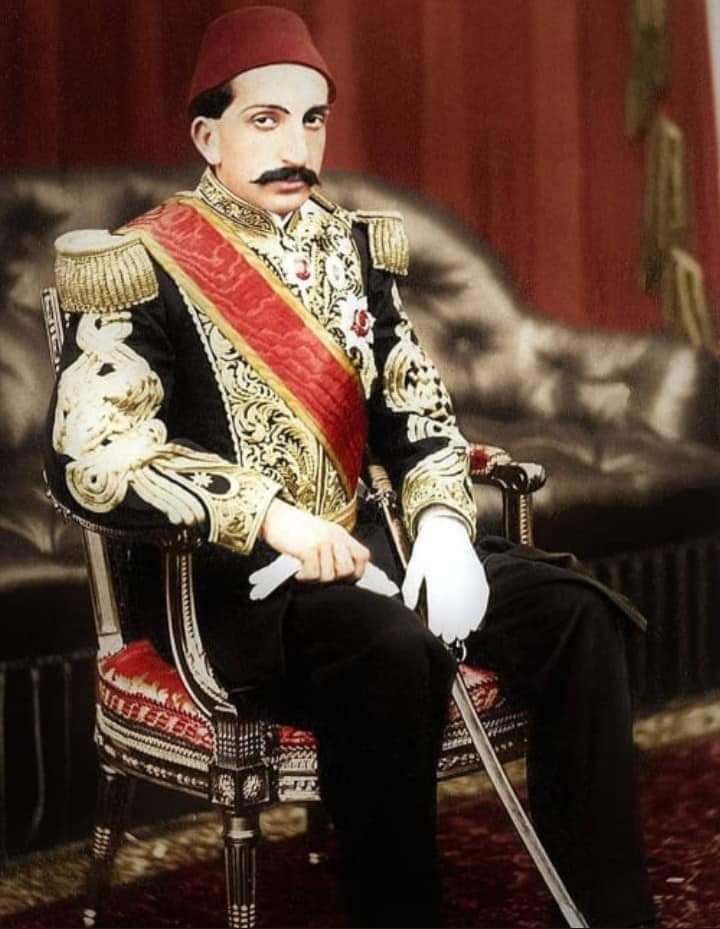
Abdul Hamid II was the 34th Sultan of the Ottoman Empire, reigning from 1876 to 1909. He is known for his autocratic rule, the promulgation and subsequent suspension of the Ottoman Empire's first constitution, and his promotion of Pan-Islamism. Despite presiding over a period of territorial decline and internal unrest, his reign also saw significant modernization efforts in education and infrastructure.
Key Facts
- ›Reigned as Sultan of the Ottoman Empire from 1876 to 1909.
- ›Promulgated the first Ottoman constitution in 1876 but suspended it in 1878.
- ›Ruled autocratically for three decades, employing secret police and censorship.
- ›Promoted Pan-Islamism as an ideological principle to unite diverse populations.
- ›Oversaw modernization of infrastructure, including railways and telegraph systems.
- ›His reign saw significant territorial losses and conflicts, particularly in the Balkans.
- Promulgation of the First Ottoman Constitution
- Russo-Turkish War
- Suspension of the Constitution and Parliament
- Loss of Egypt, Cyprus, Bulgaria, Serbia, Montenegro, Tunisia, and Thessaly
- Greco-Turkish War
- Young Turk Revolution and Reinstatement of the Constitution
- Deposition of Abdul Hamid Ii
The Red Sultan, The Bloody Sultan
- Established a comprehensive system of public education
- Expanded railway and telegraph networks across the empire
- Promoted Pan-Islamism as a unifying ideology
- Successfully defended against a Greek invasion in 1897
Abdulmejid I, Murad V, Abdul Aziz, Young Ottomans, Committee of Union and Progress, Theodor Herzl
YıLdıZ Palace, DarüLfüNûN-U şAhâNe, Rumelia Railway, Anatolia Railway, Baghdad Railway, Hejaz Railway
- Promoted Education Through the Establishment of Numerous Schools
- Supported the Development of Infrastructure That Facilitated Communication and Travel
About Abdul Hamid II
Abdul Hamid II, born in 1842 and reigning as the 34th Sultan of the Ottoman Empire from 1876 to 1909, was the last Ottoman ruler to wield significant personal authority over the empire. His reign coincided with a period of considerable decline and fragmentation, marked by numerous rebellions and territorial losses. Despite these challenges, Abdul Hamid II's rule also witnessed substantial efforts towards modernization, particularly in education and infrastructure.
Early Life and Accession
Born in Constantinople, Abdul Hamid II was the son of Sultan Abdulmejid I. He ascended the throne following the deposition of his brother, Murad V, in August 1876. His accession occurred during a critical juncture for the Empire, which was grappling with economic instability, Balkan uprisings, and impending conflict with the Russian Empire.
Constitutionalism and Autocracy
In the early phase of his reign, Abdul Hamid II worked with progressive reformers known as the Young Ottomans, leading to the promulgation of the Ottoman Empire's first constitution and the establishment of a parliament in December 1876. However, citing the pressures of the Russo-Turkish War and internal unrest, he suspended the constitution and parliament in 1878. For the subsequent three decades, he ruled as an autocrat from Yıldız Palace, consolidating power through a vast network of secret police and strict censorship, earning him the moniker "The Red Sultan" in the West due to his repressive policies and the Hamidian massacres of Armenians.
Modernization and Pan-Islamism
Despite his autocratic methods, Abdul Hamid II initiated significant modernization programs. He oversaw the expansion of railway networks, including the Baghdad and Hejaz railways, and the telegraph system, which strengthened central control and communication. Ideologically, he promoted Pan-Islamism, leveraging his position as Caliph to unite Muslims globally and counter European influence. His reign also saw the establishment of a large system of professional, secondary, and military schools, which ironically became breeding grounds for the dissent that would eventually lead to his downfall.
Downfall and Legacy
The educational institutions he sponsored fostered a new intelligentsia discontent with his authoritarianism, coalescing into the Young Turk movement. Facing mounting pressure and the threat of civil war, Abdul Hamid II was forced to reinstate the constitution in 1908. His attempt to reassert absolute rule a year later led to his deposition in 1909. Historically vilified as a tyrannical figure, recent assessments acknowledge his contributions to education and public works, viewing his reign as a complex culmination of reformist efforts amidst imperial decline. His image has also seen a resurgence in contemporary Turkish politics.
Source: Wikipedia ↗
Frequently Asked Questions
When did Abdul Hamid II reign as Sultan?
Abdul Hamid II reigned as the 34th Sultan of the Ottoman Empire from 1876 to 1909. This period marked the last time a sultan exerted effective control over the fracturing state.
What was Abdul Hamid II's stance on the Ottoman constitution?
Abdul Hamid II initially promulgated the Ottoman Empire's first constitution in December 1876, in collaboration with the Young Ottomans. However, due to the ongoing war with Russia and internal turmoil, he suspended both the constitution and the parliament in February 1878, ruling as an autocrat for the next three decades.
What was the significance of Pan-Islamism during his reign?
Abdul Hamid II adopted Pan-Islamism as a unifying ideology, emphasizing his title as Caliph to unite Muslims worldwide. He believed Islam was the only force capable of binding together the diverse ethnicities within the Ottoman Empire, and this policy also aimed to influence Muslims living under European rule.
What were some of the major territorial losses during Abdul Hamid II's reign?
His reign saw significant territorial losses, including Egypt, Cyprus, Bulgaria, Serbia, Montenegro, Tunisia, and Thessaly between 1877 and 1882. The union of Bulgaria with Eastern Rumelia in 1885 and the effective loss of Crete also occurred during his rule.
What were Abdul Hamid II's contributions to education and infrastructure?
Abdul Hamid II significantly expanded educational institutions, establishing numerous professional schools and a network of primary, secondary, and military schools. He also oversaw the modernization and extension of railway systems, including the Rumelia, Anatolia, Baghdad, and Hejaz railways, and expanded the telegraph network.
How did Abdul Hamid II deal with dissent and opposition?
He maintained power through stringent security measures, including the creation of secret police organizations like the Yıldız Intelligence Agency and a widespread censorship regime. His paranoia about being overthrown led to the suppression of opposition and the curtailment of press freedoms.
Related Caliphs

Abdul Hamid I
Abdul Hamid I was the Sultan of the Ottoman Empire from 1774 to 1789. Despite his devout and pacifist nature, his reign was marked by significant territorial losses, including Crimea, and defeats against Russia and Austria, largely due to the Treaty of Küçük Kaynarca. He is remembered for his attempts at military and naval reforms and for his personal piety.

Abdulmejid I
Abdulmejid I was the 31st Sultan of the Ottoman Empire, reigning from 1839 to 1861. He is best known for initiating the Tanzimat era, a period of significant reorganization and reform within the empire, aimed at modernizing its administration, legal system, and society. His reign also saw the Ottoman Empire forge crucial alliances with Western European powers, notably during the Crimean War.
Abdulaziz
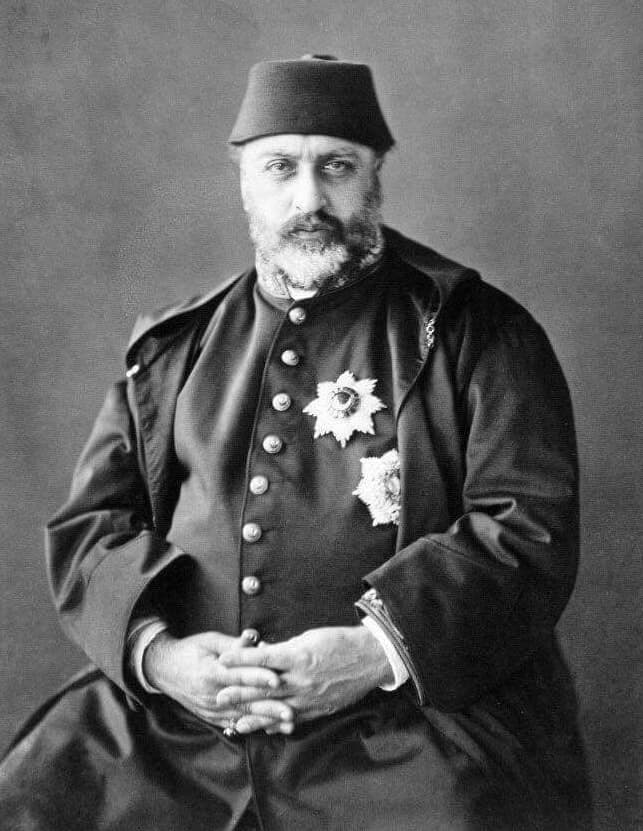
Abdulaziz was the Sultan of the Ottoman Empire from 1861 to 1876, succeeding his brother Abdulmejid I. His reign was marked by attempts to modernize the empire, including his historic tour of Western Europe and the establishment of railway networks. However, it was also characterized by growing economic difficulties, leading to his deposition and subsequent death, officially ruled a suicide.