
Abdul Hamid I
Ottoman Caliphate·Male·18th century·Ottoman Empire
Abdul Hamid I was the Sultan of the Ottoman Empire from 1774 to 1789. Despite his devout and pacifist nature, his reign was marked by significant territorial losses, including Crimea, and defeats against Russia and Austria, largely due to the Treaty of Küçük Kaynarca. He is remembered for his attempts at military and naval reforms and for his personal piety.
Key Facts
- ›Sultan of the Ottoman Empire from 1774 to 1789.
- ›Sought military and naval reforms, including the establishment of the Imperial Naval Engineering School.
- ›His reign saw the crucial loss of Crimea to Russia.
- ›Signed the Treaty of Küçük Kaynarca in 1774, which granted Russia territorial and religious influence.
- ›Known for his devout religious nature and pacifist inclinations.
- ›Personally directed the fire brigade during the Constantinople fire of 1782.

Treaty of KüçüK Kaynarca, Rebellion In Syria, Rebellion In Egypt, Rebellion In the Morea, Ottoman-Russian War, Fall of Ochakov, Constantinople Fire of 1782
Abdülhamid I, Abd al-Hamid I, Abdülhamid Han
- Established the imperial naval engineering school.
- Attempted to reform the Janissary Corps and navy.
- Suppressed revolts in Syria and Egypt.
- Directed the fire brigade during the Constantinople Fire of 1782.
Ahmed Iii, Mustafa Iii, Mahmud I, Osman Iii, Tipu Sultan, Gazi Hasan Pasha, CezzâR Ahmed Pasha
I. AbdüLhamid TüRbesi, Beylerbeyi Mosque, Imaret, Madrasah, Library, Fountains In Istanbul
Founding of Libraries and Madrasahs., Patronage of Architectural Works.
About Abdul Hamid I
Abdülhamid I
Abdul Hamid I served as the Sultan of the Ottoman Empire from 1774 until his death in 1789. Born in Constantinople in 1725, he was a son of Sultan Ahmed III. His early life was marked by a long period of confinement, during which he received his education and developed a reputation for piety and a pacifist disposition. Upon ascending the throne, he inherited an empire facing severe financial difficulties and ongoing conflicts.
Reign and Challenges
Abdul Hamid I's reign was characterized by significant military and political challenges. He inherited a bankrupt treasury, which hampered his ability to pay traditional donatives to the Janissary Corps, leading to discontent. Despite his desire for peace, the Ottoman Empire was embroiled in wars, most notably with Russia and Austria. The critical loss of Crimea to Russia, solidified by the humiliating Treaty of Küçük Kaynarca in 1774, was a major blow to the empire's prestige and territorial integrity. This treaty also granted Russia significant influence over Orthodox Christians within the Ottoman lands.
Reforms and Governance
Despite the external pressures, Abdul Hamid I attempted to implement reforms, particularly within the military. He sought to overhaul the Janissaries and the navy, and is credited with establishing the Imperial Naval Engineering School. He also worked to strengthen Ottoman control over regions like Syria, Egypt, and Iraq, though successes in quelling internal revolts were often overshadowed by larger military defeats. He was known for his close supervision of government affairs and his collaboration with statesmen. His personal devotion and humility were noted, and he was even admired by the people, sometimes called a "Veli" (saint) for his religious fervor. He personally directed the fire brigade during a major fire in Constantinople in 1782.
Architecture and Personal Life
Abdul Hamid I left a legacy of architectural contributions, primarily in Istanbul. These include his mausoleum, a fountain, an imaret (soup kitchen), a madrasah, and a library. He also commissioned the Beylerbeyi Mosque and other fountains and structures. In his personal life, he was described as religious and fond of his family, spending summers with his consorts and children. He also had a passion for breeding Arabian horses, with one breed named "Küheylan Abdülhamid" in his honor. He died in Istanbul in 1789 at the age of sixty-four.
Source: Wikipedia ↗
Frequently Asked Questions
When did Abdul Hamid I rule as Sultan?
Abdul Hamid I ruled as the Sultan of the Ottoman Empire from 1774 until his death in 1789.
What were the major territorial losses during Abdul Hamid I's reign?
The most significant territorial loss during his reign was the Crimean Peninsula, which became nominally independent in 1774 but fell under Russian influence. His reign also saw defeats against Russia and Austria.
What was the significance of the Treaty of Küçük Kaynarca?
The Treaty of Küçük Kaynarca, signed in 1774, was a major blow to the Ottoman Empire. It ceded territory to Russia and granted the Russian Empire the right to intervene on behalf of Orthodox Christians within the Ottoman Empire, significantly increasing Russian influence.
What reforms did Abdul Hamid I attempt?
Abdul Hamid I sought to reform the Empire's armed forces, including the Janissary corps and the navy. He also established a new artillery corps and is credited with the creation of the Imperial Naval Engineering School.
What architectural works is Abdul Hamid I known for?
Abdul Hamid I commissioned several architectural works, primarily in Istanbul. These include his mausoleum (I. Abdülhamid Türbesi), a fountain, an imaret, a madrasah, and a library. He also built the Beylerbeyi Mosque and several other fountains and mosques.
Related Caliphs
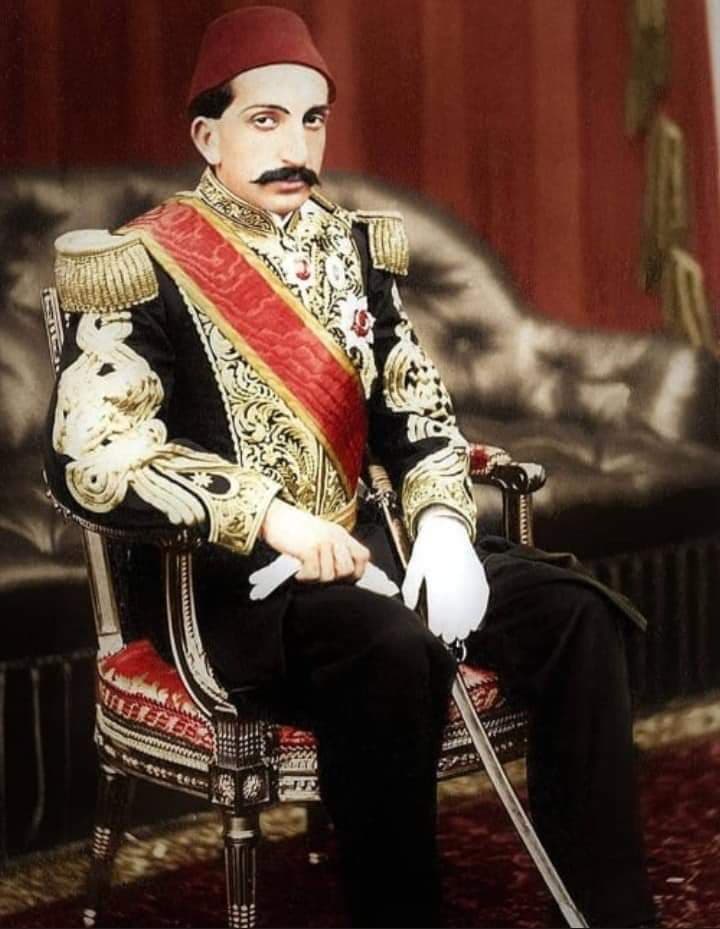
Abdul Hamid II
Abdul Hamid II was the 34th Sultan of the Ottoman Empire, reigning from 1876 to 1909. He is known for his autocratic rule, the promulgation and subsequent suspension of the Ottoman Empire's first constitution, and his promotion of Pan-Islamism. Despite presiding over a period of territorial decline and internal unrest, his reign also saw significant modernization efforts in education and infrastructure.

Abdulmejid I
Abdulmejid I was the 31st Sultan of the Ottoman Empire, reigning from 1839 to 1861. He is best known for initiating the Tanzimat era, a period of significant reorganization and reform within the empire, aimed at modernizing its administration, legal system, and society. His reign also saw the Ottoman Empire forge crucial alliances with Western European powers, notably during the Crimean War.
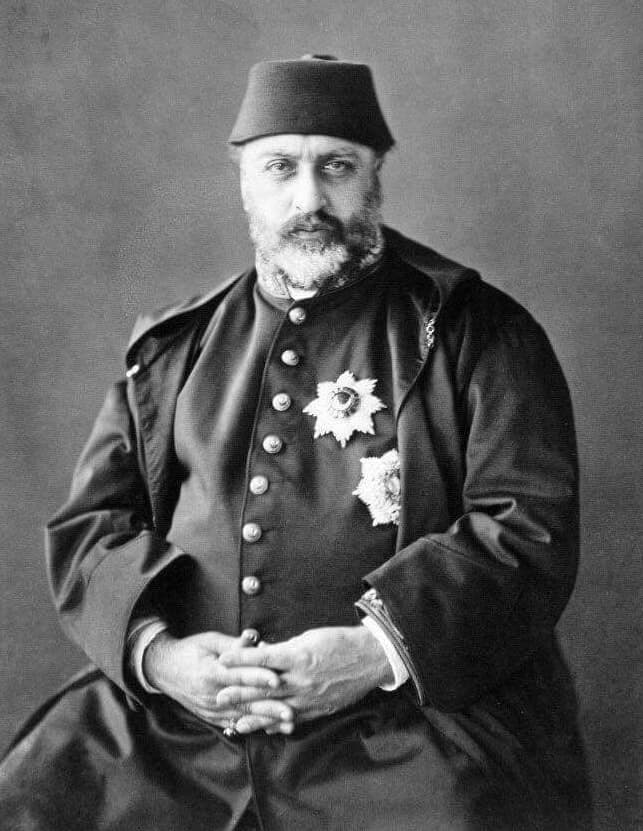
Abdulaziz
Abdulaziz was the Sultan of the Ottoman Empire from 1861 to 1876, succeeding his brother Abdulmejid I. His reign was marked by attempts to modernize the empire, including his historic tour of Western Europe and the establishment of railway networks. However, it was also characterized by growing economic difficulties, leading to his deposition and subsequent death, officially ruled a suicide.