
Tanaka Chigaku
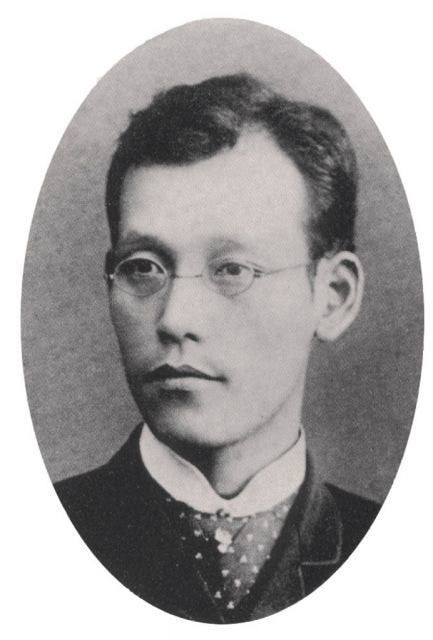
Tanaka Chigaku was a prominent Japanese Buddhist scholar and orator who is considered the father of Nichirenism, a nationalist interpretation of Nichiren Buddhism. He was a prolific writer and preacher who advocated for a world unified under Japanese imperial rule and Nichiren Buddhism. His ultranationalist ideology influenced prominent figures in Japanese militarism and inspired organizations like the Kokuchūkai.
Key Facts
- ›Considered the father of Nichirenism, a blend of Nichiren Buddhism and Japanese nationalism.
- ›Founded the Kokuchūkai (National Pillar Society), a significant ultranationalist organization.
- ›Authored "the Doctrine of Saint Nichiren," which portrayed Nichiren as a champion of Japan.
- ›Advocated for world unification through Nichirenism with the Japanese emperor at its core.
- ›Was a staunch opponent of Christianity and a convinced anti-Semite.
- ›His ideology influenced ultranationalist figures like Nissho Inoue and Kanji Ishiwara.
Important Relationships
- Nissho Inoue
- Kanji Ishiwara
- Ikki Kita
- Kenji Miyazawa
- Puyi
the Doctrine of Saint Nichiren
Tokyo, Kamakura, Miho, Shizuoka Prefecture, Manchukuo, Japanese-Occupied Korea
Nichiren
Japanese
Ultranationalist
About Tanaka Chigaku
Tanaka Chigaku (1861–1939)
Tanaka Chigaku was a significant figure in modern Japanese Buddhism, renowned as a scholar, orator, and writer. He is primarily recognized as the father of Nichirenism, a potent ideology that fused Nichiren Buddhism with fervent Japanese nationalism. Tanaka's teachings emphasized a vision of global unification centered around the Japanese emperor and the principles of Nichiren Buddhism, a perspective that profoundly influenced ultranationalist movements and figures in Japan.
Early Life and Religious Development
Born Tada Tomonosuke in Edo (modern-day Tokyo) on December 14, 1861, Tanaka was the son of a physician. Following the death of his parents in 1870, he was placed under the care of Rev. Kawase Nichiren and later became a novice. He pursued his studies at the Daikyo-in, the precursor to Rissho University, where he adopted the scholarly sobriquet "Chigaku," meaning "Wisdom and Learning." However, he grew disillusioned with the perceived passivity of the established Nichiren sect, leading him to abandon the priesthood in 1879 to become a lay preacher.
Forging Nichirenism
Tanaka honed his public speaking and doctrinal development within the lay organization Nichirenkai. He formulated his distinct, uncompromising interpretation of Nichiren Buddhism, which he termed "Nichirenism." By the 1890s, his philosophy increasingly embraced nationalistic sentiments. He began concluding his works with salutations to both the Lotus Sutra and the eternal Japanese Empire. During this period, he conducted extensive lecture tours across Japan and established the Rissho Ankokukai study group from his base in Kamakura. He was a vocal opponent of Christianity and celebrated Japan's victory in the Russo-Japanese War, viewing it as a divine mandate for the Japanese people.
Ideology and Influence
In 1908, Tanaka relocated to Miho, Shizuoka Prefecture, where he penned "The Doctrine of Saint Nichiren" in 1911. This seminal work cast Nichiren as a champion of the Japanese nation and articulated a vision of world unification under Nichirenism, with the emperor as its central figure. He consolidated his followers into the Kokuchūkai (National Pillar Society) in 1914. Tanaka continued his lecturing until illness limited his activities in the late 1930s, traveling extensively throughout Japan and its occupied territories, including Manchukuo, where he met with Puyi. His nationalist convictions deepened with age, viewing Japan's actions in Manchuria as divinely ordained. He also held anti-Semitic views, believing Jews were orchestrating global unrest. Beyond his political and religious teachings, Tanaka was a poet and dramatist with a keen interest in Japanese theatrical arts.
Legacy
Tanaka Chigaku died on November 17, 1939, and is buried in the Myoshu Mausoleum in Tokyo. His son, Dr. Satomi Kishio, succeeded him in leading the organization. In the postwar era, Tanaka faced denunciation from academics who labeled him a fascist due to his ideology's connections with prominent ultranationalists, although his son remained a staunch defender of his father's legacy.
Source: Wikipedia ↗
Frequently Asked Questions
Who was Tanaka Chigaku?
Tanaka Chigaku was a Japanese Buddhist scholar, preacher, writer, and ultranationalist propagandist active during the Meiji, Taishō, and early Shōwa periods. He is widely regarded as the founder of Nichirenism.
What is Nichirenism?
Nichirenism is a fiercely ultranationalistic ideology that blends Nichiren Buddhism with Japanese nationalism. Tanaka Chigaku developed this doctrine, advocating for a world unified under Japanese imperial rule and Nichiren Buddhism.
What was Tanaka Chigaku's most notable work?
His most famous work is "The Doctrine of Saint Nichiren," written in 1911. In this book, he presented the 13th-century priest Nichiren as a national hero and called for global unification through Nichirenism.
What organization did Tanaka Chigaku found?
Tanaka Chigaku amalgamated his followers into a single organization called the Kokuchūkai (National Pillar Society) in 1914. This organization became a significant platform for his ultranationalist teachings.
Did Tanaka Chigaku have any notable followers?
Yes, notable figures like the children's writer Kenji Miyazawa and the politician Kanji Ishiwara idolized Tanaka and joined his Kokuchūkai organization. His ideology also influenced ultranationalist figures such as Nissho Inoue.
What was Tanaka Chigaku's view on Japan's role in the world?
Tanaka Chigaku believed that Japan's existence was divinely ordained to implement a plan for global unification through Nichirenism. He saw Japan's imperialist actions, such as the takeover of Manchuria, as part of a divine mission to spread "true" Nichiren Buddhism throughout Asia.
Related Buddhists
S. N. Goenka
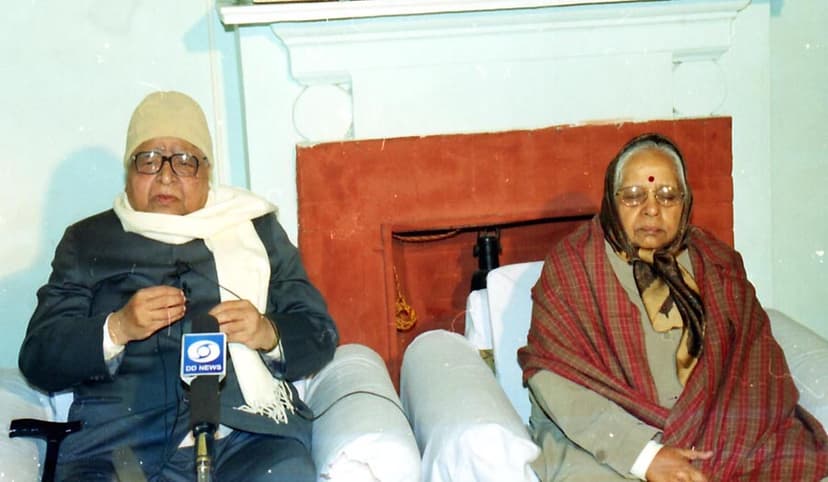
S. N. Goenka was an influential Indian teacher of Vipassanā meditation, born in Burma to an Indian family. He learned Vipassanā from Sayagyi U Ba Khin and later moved to India to teach, establishing a global network of non-commercial meditation centers. His teachings emphasized the universal and scientific nature of Buddha's path to liberation, making Vipassanā accessible to people of all backgrounds.
Hikkaduwe Sri Sumangala Thera
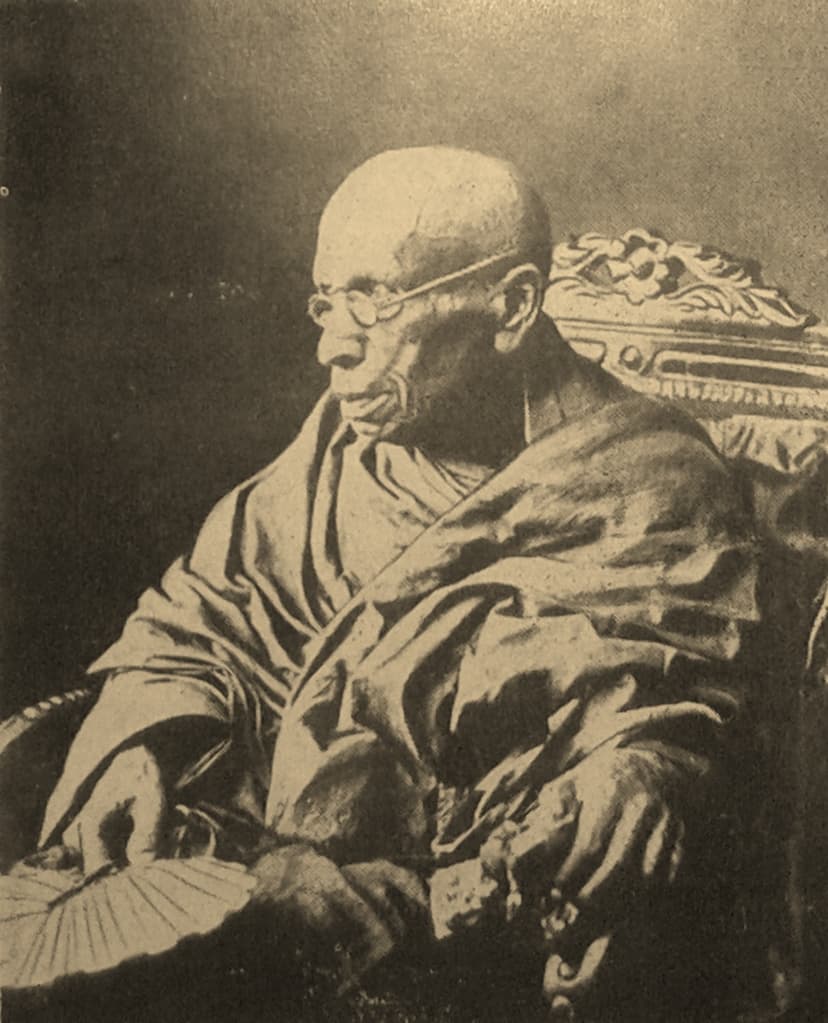
Hikkaduwe Sri Sumangala Thera was a pivotal figure in the 19th-century Sri Lankan Buddhist revival movement. He was a prolific author, eloquent orator, and the founder of Vidyodaya Pirivena, which later became a university. His significant role in the Panadurawadaya religious debate further cemented his influence on Buddhist education and reform in Sri Lanka.

Migettuwatte Gunananda Thera
Migettuwatte Gunananda Thera was a prominent Sri Lankan Sinhala Buddhist orator renowned for his leadership in debates against Christian missionaries during the 19th century. His eloquent arguments and powerful presence, particularly at the famous Panadura debate, are credited with sparking a significant revival of Buddhism in Sri Lanka and raising international awareness of the faith. He dedicated his life to defending Buddhist principles and promoting Buddhist education and publications.