
Hikkaduwe Sri Sumangala Thera
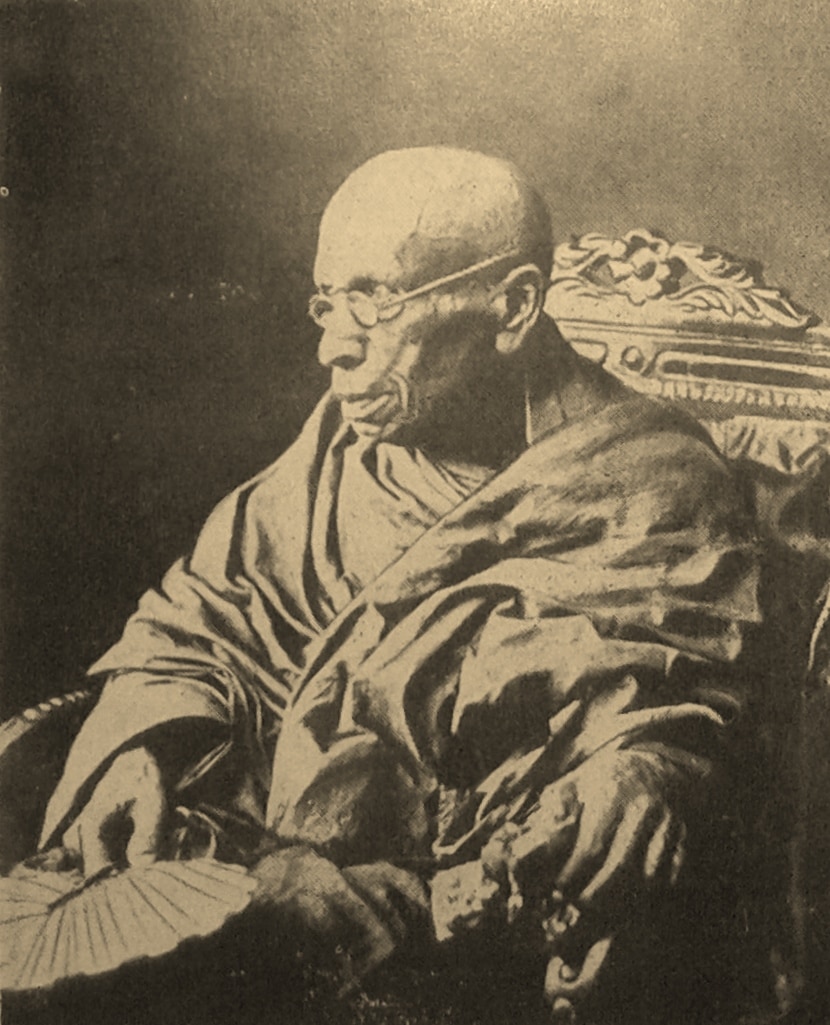
Hikkaduwe Sri Sumangala Thera was a pivotal figure in the 19th-century Sri Lankan Buddhist revival movement. He was a prolific author, eloquent orator, and the founder of Vidyodaya Pirivena, which later became a university. His significant role in the Panadurawadaya religious debate further cemented his influence on Buddhist education and reform in Sri Lanka.
Key Facts
- ›He was a founder of Vidyodaya Pirivena in 1873, which later gained university status.
- ›Hikkaduwe Sri Sumangala Thera was a key participant in the Panadurawadaya religious debate in 1873.
- ›He was proficient in Sinhala, Pali, Sanskrit, and English, and knowledgeable in Buddhism, history, arithmetic, and archaeology.
- ›Colonel Henry Steele Olcott, a prominent Buddhist convert, studied under him.
- ›He was instrumental in establishing Buddhist schools like Ananda College, Mahinda College, and Dharmaraja College.
- ›He chaired the committee that designed the Buddhist flag in 1885.
Important Relationships
- Walane Sri Siddartha Thera
- Ratmalane Sri Dharmaloka Thera
- Colonel Henry Steele Olcott
- H. L. De Mel
- Devundara Sri Jinarathana Thera
- Migettuwatte Gunananda Thera
- Sri Piyaratana Tissa Mahanayake Thera
- Weligama Sri Sumangala Thera
- Yagirala Pannananda
Brahma Dharmaya, Warna Reethi, Masarthu Lakshana, Translation of Mahavamsa To Sinhalese, Sidath Sangara Sannasa, Kavya Shekhara Sannasa, Balawatharatikawa, Pali Namapada Malawa, Kristhiyani Waada Wibhaathaniya, Sathya Margaya, Rivirasa, Bhuddha Addahilla
Hikkaduwa, Maligakanda, Panadura, Galle District, Hettigoda, Thotagamuwa Raja Maha Vihara, Rathmalana, Kandy, Colombo, Anuradhapura
Sinhala, Pali, Sanskrit
Samanera, Upasampada
Buddhist Revivalist, Chief Priest
About Hikkaduwe Sri Sumangala Thera
Hikkaduwe Sri Sumangala Thera (1827–1911) was a distinguished Sri Lankan Buddhist monk and a leading figure in the Buddhist revivalist movement of the 19th century. His birth name was Don Niculus Gunawardhana, and he was ordained at a young age, eventually receiving higher ordination from the Malwatte Chapter in Kandy.
Life and Historical Context
Born in Hikkaduwa, Galle District, Hikkaduwe Sri Sumangala Thera received his early education at the village temple and later pursued advanced studies at renowned monastic institutions like Parama Dhamma Chethiya Pirivena in Ratmalana. He was known for his eloquence and writing abilities from childhood. His proficiency extended across Sinhala, Pali, Sanskrit, and English, alongside a deep understanding of Buddhism, history, arithmetic, and archaeology. He served as a teacher at several prominent temples and was appointed Chief Priest of the sacred Sri Pāda (Adam's Peak) in 1864, a position that recognized him as the foremost Buddhist monk in the island.
Major Contributions
One of Hikkaduwe Sri Sumangala Thera's most significant contributions was the founding of Vidyodaya Pirivena in Maligakanda in 1873, which was later elevated to university status by the Sri Lankan government in 1959. He played a crucial role in the Panadurawadaya, a pivotal religious debate in 1873, where his knowledge and oratorical skills were instrumental for the Buddhist side. He also influenced prominent figures like Colonel Henry Steele Olcott, guiding him in establishing several key Buddhist educational institutions, including Ananda College in Colombo, Mahinda College in Galle, and Dharmaraja College in Kandy. Furthermore, he was the chairman of the committee responsible for designing the Buddhist flag in 1885 and was a pioneer in Buddhist newspaper journalism in Sri Lanka, initiating the paper 'Lankaloka' and contributing to others.
Literary Works
Hikkaduwe Sri Sumangala Thera was a prolific author, with notable works including 'Brahma Dharmaya,' 'Warna Reethi,' 'Masarthu Lakshana,' and the translation of the Mahavamsa into Sinhalese. His literary output covered a range of subjects, from Buddhist philosophy and grammar to historical commentaries.
Legacy
His dedication to the Buddhasasana and his multifaceted contributions to Buddhist education, revival, and scholarship earned him widespread honor and recognition from both Sri Lankan and international institutions. He passed away on April 29, 1911, at the age of 84, leaving behind a legacy as a visionary leader and scholar in Sri Lankan Buddhism.
Source: Wikipedia ↗
Frequently Asked Questions
What was Hikkaduwe Sri Sumangala Thera's birth name?
Hikkaduwe Sri Sumangala Thera's birth name was Don Niculus Gunawardhana. He was ordained as a samanera at the age of nine and given the Dharma name Hikkaduwe Sumangala.
What was the significance of the Panadurawadaya?
The Panadurawadaya was a significant religious debate held in 1873 between Christian missionaries and Buddhist monks. Hikkaduwe Sri Sumangala Thera was a major figure and a primary source of information for the Buddhist side, contributing to its success.
What educational institutions did Hikkaduwe Sri Sumangala Thera establish or influence?
He founded Vidyodaya Pirivena in 1873, which was later granted university status. He also guided Colonel Henry Steele Olcott in establishing several Buddhist schools, including Ananda College, Mahinda College, and Dharmaraja College.
What were some of Hikkaduwe Sri Sumangala Thera's notable literary works?
His literary contributions include works such as 'Brahma Dharmaya', 'Warna Reethi', 'Masarthu Lakshana', and the translation of the Mahavamsa into Sinhalese. He also authored commentaries and works on Buddhist philosophy and grammar.
What positions did Hikkaduwe Sri Sumangala Thera hold?
He held several important positions, including Chief Monk of the Sri Pāda (Adam's Peak), Chief Priest of Southern Sri Lanka, and Chief Priest of Colombo Nawa Koralaya. He also served as an adviser to the Buddhist Theosophical Society and the Mahabodhi Society.
Related Buddhists
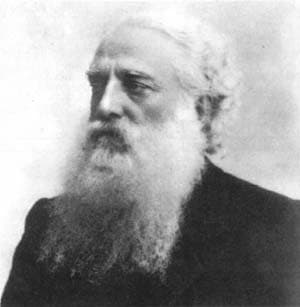
Henry Steel Olcott
Colonel Henry Steel Olcott was an American military officer, journalist, lawyer, and Freemason who became a co-founder and the first president of the Theosophical Society. He is distinguished as the first well-known American of European descent to formally convert to Buddhism, playing a significant role in the revival of Buddhism in Sri Lanka and promoting Buddhist modernism through his writings and educational initiatives.

Migettuwatte Gunananda Thera
Migettuwatte Gunananda Thera was a prominent Sri Lankan Sinhala Buddhist orator renowned for his leadership in debates against Christian missionaries during the 19th century. His eloquent arguments and powerful presence, particularly at the famous Panadura debate, are credited with sparking a significant revival of Buddhism in Sri Lanka and raising international awareness of the faith. He dedicated his life to defending Buddhist principles and promoting Buddhist education and publications.
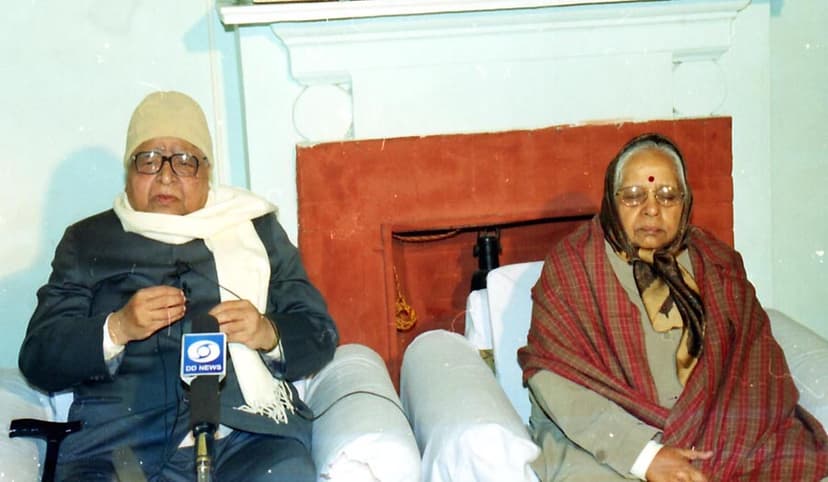
S. N. Goenka
S. N. Goenka was an influential Indian teacher of Vipassanā meditation, born in Burma to an Indian family. He learned Vipassanā from Sayagyi U Ba Khin and later moved to India to teach, establishing a global network of non-commercial meditation centers. His teachings emphasized the universal and scientific nature of Buddha's path to liberation, making Vipassanā accessible to people of all backgrounds.