
Henry Steel Olcott
United States·Theosophical Society·Male·19th century
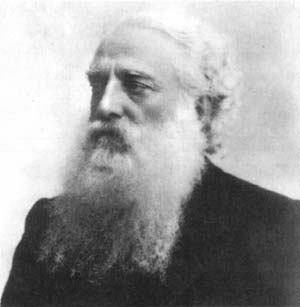
Colonel Henry Steel Olcott was an American military officer, journalist, lawyer, and Freemason who became a co-founder and the first president of the Theosophical Society. He is distinguished as the first well-known American of European descent to formally convert to Buddhism, playing a significant role in the revival of Buddhism in Sri Lanka and promoting Buddhist modernism through his writings and educational initiatives.
Key Facts
- ›Co-founder and first president of the Theosophical Society.
- ›First American of European ancestry to formally convert to Buddhism.
- ›Major revivalist of Buddhism in Sri Lanka, where he is still honored.
- ›Authored the influential "Buddhist Catechism" in 1881.
- ›Helped establish several Buddhist schools in Sri Lanka, including Ananda College.
- ›Advised on the design of the Buddhist flag, now a universal symbol.
Important Relationships
- Theosophical Society
- Helena Blavatsky
- William Quan Judge
- Ananda College
- Anagarika Dharmapala
- Sorgho and Imphee, the Chinese and African Sugar Canes
- Outlines of the First Course of Yale Agricultural Lectures
- Descendents of Thomas Olcott
- Human Spirits and Elementaries
- People From the Other World
- A Buddhist Catechism
- Theosophy, Religion, and Occult Science
- Old Diary Leaves
- the Hindu Dwaita Catechism
- the Golden Rules of Buddhism
- the Kinship Between Hinduism and Buddhism
- the Poor Pariah
- the Life of the Buddha and Its Lessons
- the Spirit of Zoroastrianism
- Old Diary Leaves, Inside the Occult, the True Story of Madame H. P. Blavatsky
New Jersey, New York City, Amherst, Ohio, Chittenden, Vermont, Adyar, Chennai, Colombo, Galle, Princeton, New Jersey
Helena Blavatsky, William Quan Judge, Max MüLler, Edward Burnett Tylor, Sri Piyaratana Tissa Mahanayake Thero
English
Three Refuges, Five Precepts
Co-Founder, President, Journalist, Lawyer, Revivalist, Writer
Buddhist Modernist, Buddhist Revivalist
About Henry Steel Olcott
Colonel Henry Steel Olcott was a pivotal figure in the late 19th and early 20th centuries, recognized for his multifaceted career as an American military officer, journalist, lawyer, and Freemason. He is most widely known as the co-founder and first president of the Theosophical Society, an organization dedicated to exploring spiritual and philosophical truths.
Olcott holds significant historical importance as the first well-known American of European ancestry to formally convert to Buddhism. His conversion and subsequent work were instrumental in fostering a renaissance in Buddhist studies and practice, particularly in Sri Lanka. He is considered a Buddhist modernist for his efforts to interpret and present Buddhism through a lens that resonated with Western rationalism and scientific inquiry, while also seeking to revive its traditional forms.
Biography and Early Life
Born in Orange, New Jersey, on August 2, 1832, Olcott was the eldest of six children. He attended the College of the City of New York and Columbia University before financial difficulties forced him to leave. His early interests included spiritualism, and he was involved with the New York Conference of Spiritualists, publishing under the pseudonym "Amherst." During the American Civil War, he served in the U.S. Army, rising to the rank of colonel, and later worked as a lawyer specializing in insurance, revenue, and fraud.
Theosophical Society and Buddhist Revival
Olcott's spiritual journey led him to meet Helena Blavatsky in 1874, an encounter that profoundly influenced his path. Together, they co-founded the Theosophical Society in New York City in 1875. In 1878, they moved the Society's headquarters to Adyar, India, seeking to engage directly with Eastern spiritual traditions.
Olcott's most impactful work in Buddhism occurred in Sri Lanka, where he arrived in 1880. He dedicated himself to the revival of Buddhism, which had been suppressed under colonial rule. His efforts included establishing numerous Buddhist schools, most notably Ananda College, and compiling "A Buddhist Catechism" (1881), a seminal work that explained Buddhist doctrines in a question-and-answer format, still used today. He also played a role in the design of the Buddhist flag, which has become a universal symbol for all Buddhist traditions.
Legacy
Colonel Henry Steel Olcott served as President of the Theosophical Society until his death on February 17, 1907. His contributions to Buddhism in Sri Lanka are remembered with great respect, evidenced by streets and statues bearing his name. Olcott's unique synthesis of Eastern and Western thought, his emphasis on rationalism, and his dedication to education left a lasting mark on Buddhist modernism and continue to influence spiritual movements globally.
Source: Wikipedia ↗
Frequently Asked Questions
Who was Henry Steel Olcott?
Henry Steel Olcott was an American military officer, journalist, lawyer, and Freemason who became a co-founder and the first president of the Theosophical Society. He is most known for his significant role in the revival of Buddhism in Sri Lanka and for being one of the first Westerners to formally convert to Buddhism.
What was Olcott's contribution to Buddhism?
Olcott was instrumental in the revival of Buddhism in Sri Lanka, where he worked to re-establish Buddhist practices and education under British colonial rule. He also authored the "Buddhist Catechism," which aimed to explain Buddhist tenets to Westerners and remains in use in Sri Lanka.
What is the Theosophical Society?
The Theosophical Society is a worldwide organization founded in 1875 by Helena Blavatsky, William Quan Judge, and Henry Steel Olcott. It aims to foster universal brotherhood, encourage the study of comparative religion, philosophy, and science, and investigate the unexplained laws of nature and the powers latent in humanity.
When did Olcott convert to Buddhism?
Henry Steel Olcott and Helena Blavatsky became the first Westerners to formally receive the Three Refuges and Five Precepts, the ceremony by which one traditionally becomes a Buddhist, in 1880. Olcott stated they had previously declared themselves Buddhists while still living in America.
What notable institutions did Olcott help found?
Olcott was involved in the establishment of several Buddhist schools in Sri Lanka, most notably Ananda College in Colombo (1886), Dharmaraja College in Kandy (1887), Maliyadeva College in Kurunegala (1888), and Mahinda College in Galle (1892).
Related Buddhists
Hikkaduwe Sri Sumangala Thera
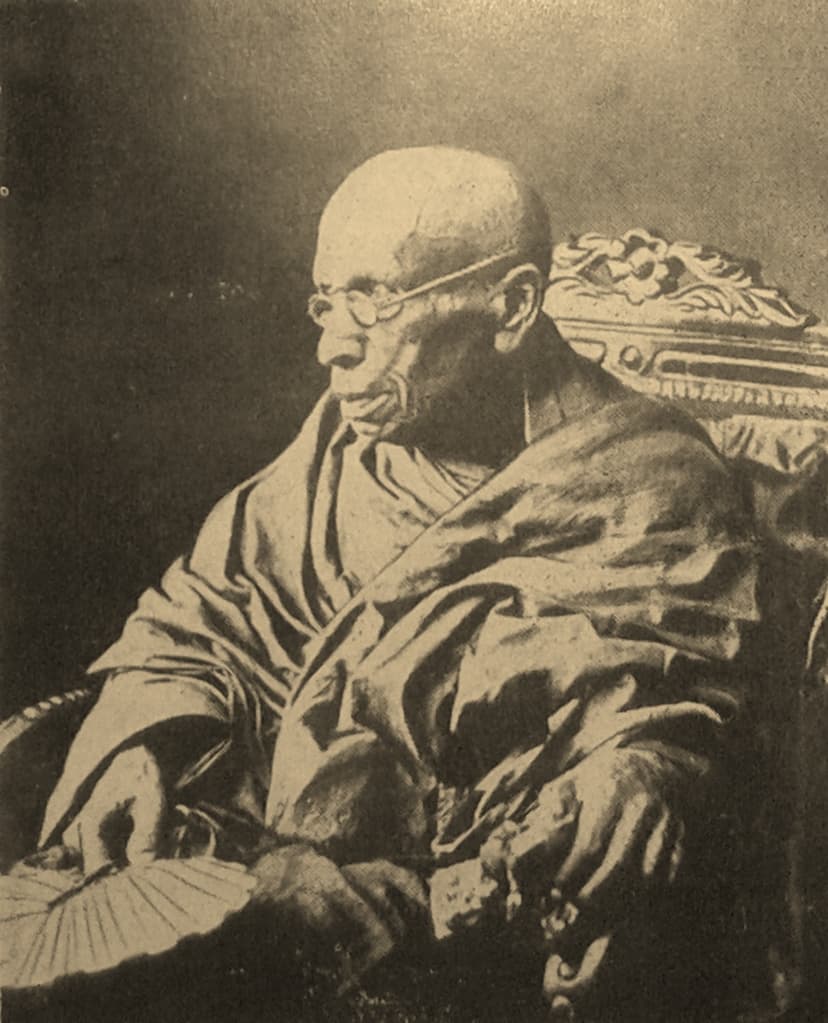
Hikkaduwe Sri Sumangala Thera was a pivotal figure in the 19th-century Sri Lankan Buddhist revival movement. He was a prolific author, eloquent orator, and the founder of Vidyodaya Pirivena, which later became a university. His significant role in the Panadurawadaya religious debate further cemented his influence on Buddhist education and reform in Sri Lanka.
Heng Sure
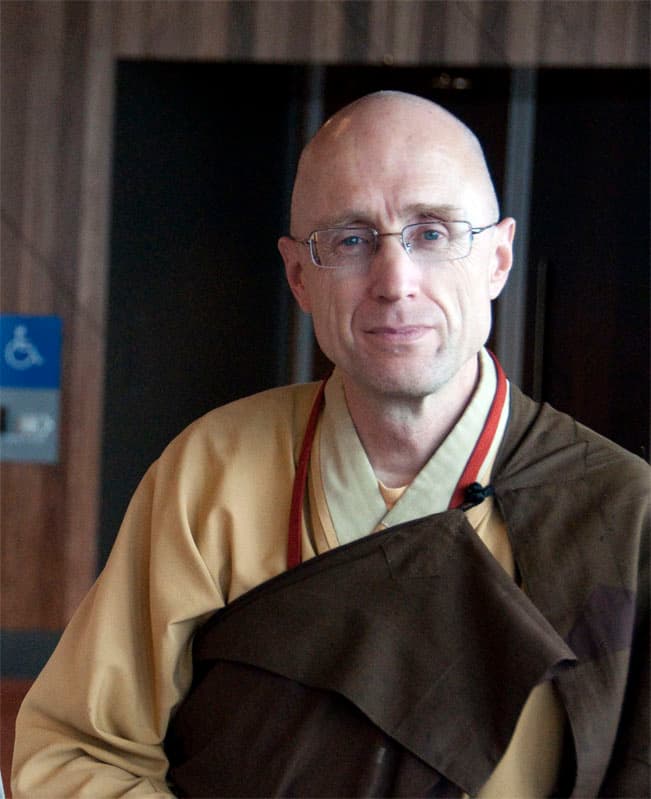
Heng Sure, born Christopher R. Clowery, is an American Chan Buddhist monk and a senior disciple of Venerable Hsuan Hua. He is widely recognized for his "Three Steps, One Bow" pilgrimage for world peace and his work as managing director of the Berkeley Buddhist monastery. Heng Sure has also contributed to interfaith dialogue and released albums of Buddhist folk music.

B. R. Ambedkar
Bhimrao Ramji Ambedkar was a pioneering Indian jurist, economist, and social reformer, most renowned for chairing the committee that drafted the Constitution of India. He served as the nation's first Law and Justice minister and later converted to Buddhism, inspiring the Dalit Buddhist movement. His work significantly advocated for the political rights and social freedom of Dalits, challenging the deeply entrenched caste system.