
B. R. Ambedkar
India·Dalit Buddhist movement·Male·20th century
Bhimrao Ramji Ambedkar was a pioneering Indian jurist, economist, and social reformer, most renowned for chairing the committee that drafted the Constitution of India. He served as the nation's first Law and Justice minister and later converted to Buddhism, inspiring the Dalit Buddhist movement. His work significantly advocated for the political rights and social freedom of Dalits, challenging the deeply entrenched caste system.
Key Facts
- ›Chaired the Drafting Committee for the Constitution of India.
- ›Served as India's first Law and Justice Minister in Jawaharlal Nehru's cabinet.
- ›Converted to Buddhism in 1956, sparking the Dalit Buddhist movement.
- ›Authored "Annihilation of Caste" and "Pakistan or the Partition of India".
- ›Advocated for separate electorates and reservations for 'untouchables'.
- ›Received India's highest civilian award, the Bharat Ratna, posthumously.

Important Relationships
- Jawaharlal Nehru
- Mahatma Gandhi
- Muhammad Ali Jinnah
- Shahu of Kolhapur (Shahu IV)
- Sir Benegal Narsing Rau
- Sayajirao Gaekwad III
- Constitution of India
- Annihilation of Caste
- Pakistan Or the Partition of India
- Thoughts On Pakistan
- Who Were the Shudras?
- the Problem of the Rupee: Its Origin and Its Solution
Mhow, Bombay, New York City, London, Mahad, Nashik, Yerwada Central Jail
John Dewey
English
Lawyer, Economist, Educator, Politician, Reformer, Author
About B. R. Ambedkar
Bhimrao Ramji Ambedkar: Architect of Modern India and Champion of the Oppressed
Bhimrao Ramji Ambedkar, revered as Babasaheb, was a towering figure in 20th-century India, renowned as a jurist, economist, social reformer, and politician. His legacy is indelibly linked to the drafting of the Constitution of India, a document that sought to enshrine principles of justice, liberty, equality, and fraternity. Beyond his constitutional work, Ambedkar dedicated his life to dismantling the oppressive caste system and advocating for the rights and dignity of Dalits, who were historically subjected to severe discrimination and social exclusion.
Life and Historical Context
Born in 1891 into a Mahar family in Mhow, British India, Ambedkar faced profound adversity from a young age due to his caste. Despite these challenges, he pursued education with exceptional determination, earning doctorates from Columbia University and the London School of Economics. His academic brilliance laid the foundation for his later intellectual contributions. Ambedkar's early career included roles as an economist, professor, and lawyer. His experiences with discrimination fueled his lifelong commitment to social reform.
Major Contributions
Ambedkar's most significant contribution was chairing the committee responsible for drafting India's Constitution. He ensured that the constitution contained provisions aimed at eradicating untouchability and promoting social equality. He also served as India's first Law Minister in Jawaharlal Nehru's cabinet. A pivotal moment in his life and in the history of Indian social reform was his conversion to Buddhism in 1956, a move that inspired mass conversions among Dalits and led to the emergence of the Dalit Buddhist movement. His writings, such as "Annihilation of Caste" and "Pakistan or The Partition of India," critically analyzed Indian society, politics, and religion, offering profound insights and challenging prevailing orthodoxies.
Key Relationships and Influences
Ambedkar engaged with many prominent figures of his time, including Prime Minister Jawaharlal Nehru, Mahatma Gandhi, and Muhammad Ali Jinnah, often in complex political negotiations. His intellectual development was notably influenced by the American philosopher John Dewey. His personal life was marked by his marriage to Ramabai Ambedkar, who supported his endeavors.
Legacy
Bhimrao Ramji Ambedkar is remembered as a national hero and a symbol of resistance against social injustice. The salutation "Jai Bhim" (Hail Bhim) is widely used by his followers. Posthumously awarded India's highest civilian honor, the Bharat Ratna, Ambedkar's ideas and activism continue to inspire movements for social justice and equality in India and around the world.
Source: Wikipedia ↗
Frequently Asked Questions
Who was B. R. Ambedkar?
Bhimrao Ramji Ambedkar was an influential Indian jurist, economist, social reformer, and politician. He is best known for his role in drafting the Constitution of India and for his advocacy for the rights of the Dalit community.
What was Ambedkar's role in the Indian Constitution?
Ambedkar chaired the committee responsible for drafting the Constitution of India. He played a pivotal role in shaping the foundational legal document of the country, incorporating principles of justice, equality, and liberty.
Why did Ambedkar convert to Buddhism?
Ambedkar renounced Hinduism and converted to Buddhism in 1956, along with many of his followers. This conversion was a significant act of protest against the caste system and a move towards spiritual and social liberation for Dalits.
What was the significance of the Poona Pact?
The Poona Pact, signed in 1932 between Ambedkar and Gandhi's representatives, addressed the issue of separate electorates for 'Depressed Classes' (Dalits). It resulted in reserved seats for Dalits in provincial legislatures within a unified electorate, securing them greater political representation.
What was Ambedkar's stance on the caste system?
Ambedkar was a staunch opponent of the caste system and worked tirelessly to eradicate untouchability and caste-based discrimination. He publicly condemned Hindu texts that justified caste and led movements for the social and economic upliftment of Dalits.
What were some of Ambedkar's notable writings?
Among his most significant writings are "Annihilation of Caste," a critique of the Hindu caste system, and "Pakistan or The Partition of India," which analyzed the complexities of Indian partition. He also authored "Who Were the Shudras?" exploring the origins of the lowest castes.
Related Buddhists

Chandrashekhar Azad Ravan
Chandrashekhar Azad Ravan is an Indian politician, social activist, Ambedkarite, and lawyer. He is the chief and co-founder of the Bhim Army and the National President of the Aazad Samaj Party (Kanshi Ram). In 2024, he was elected as a Member of Parliament to the 18th Lok Sabha from Nagina, and in 2021, Time magazine recognized him as one of the 100 Emerging Leaders shaping the future.
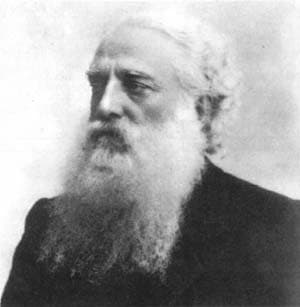
Henry Steel Olcott
Colonel Henry Steel Olcott was an American military officer, journalist, lawyer, and Freemason who became a co-founder and the first president of the Theosophical Society. He is distinguished as the first well-known American of European descent to formally convert to Buddhism, playing a significant role in the revival of Buddhism in Sri Lanka and promoting Buddhist modernism through his writings and educational initiatives.
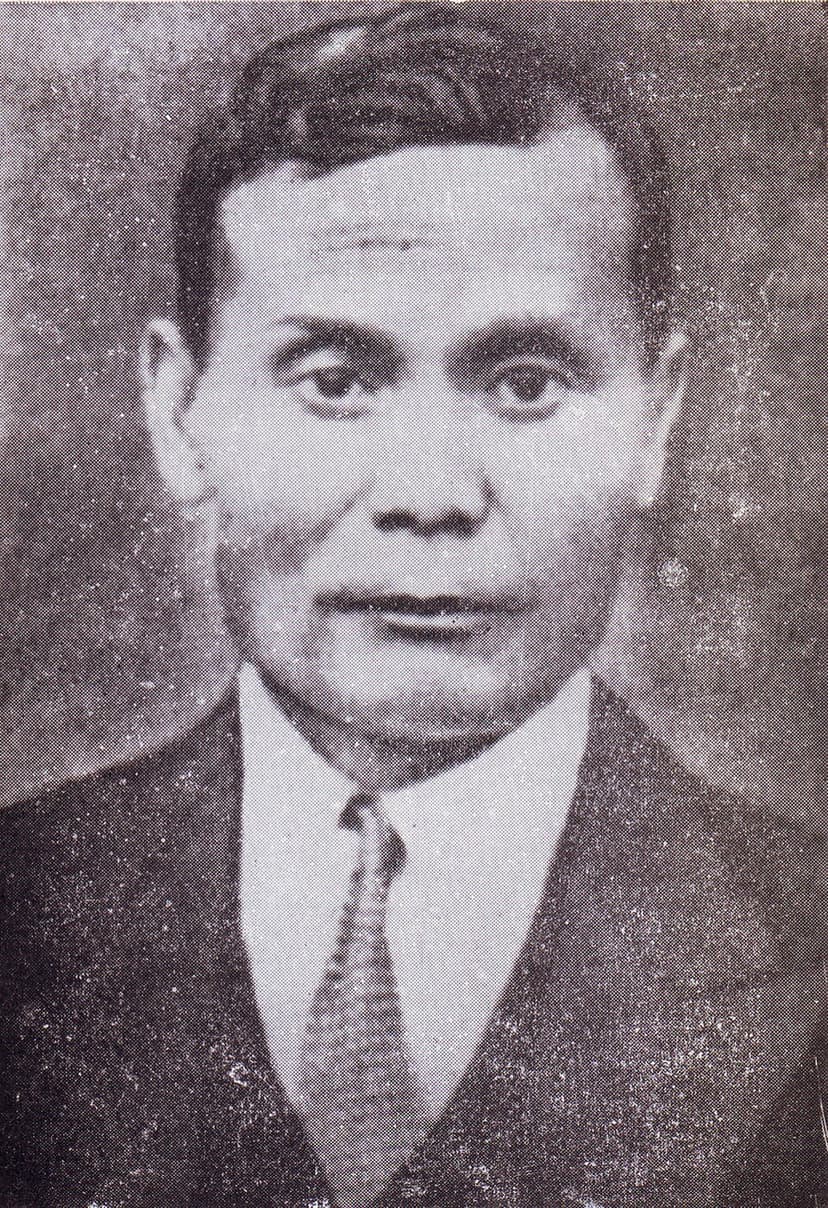
Benimadhab Barua
Benimadhab Barua was an influential Indian scholar specializing in ancient Indian languages, Buddhism, and law. A prominent educationist and writer, he made significant contributions to the study of Buddhist philosophy and history, with his works influencing later scholars.