
Benimadhab Barua
India·University of Calcutta·Male·20th century
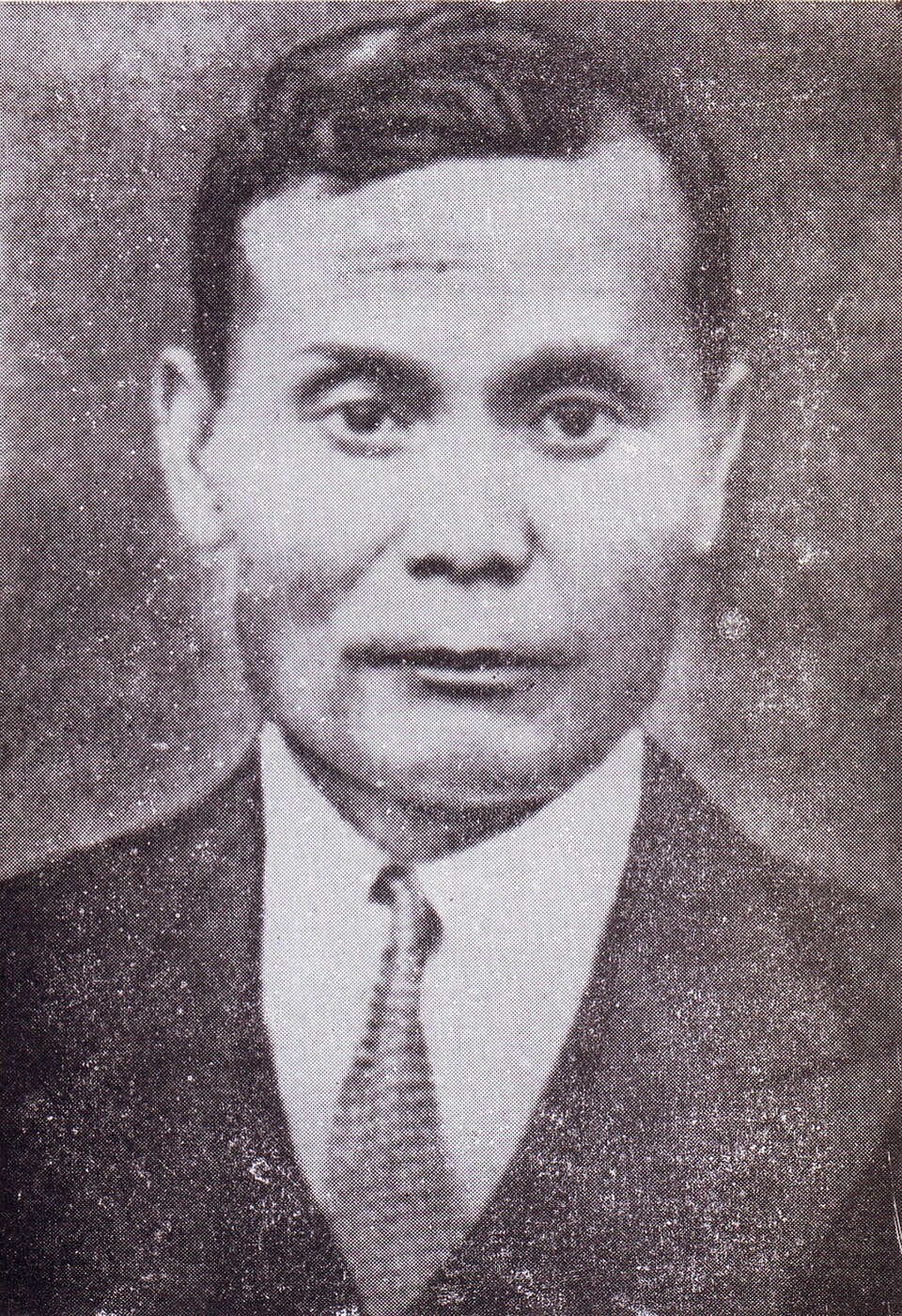
Benimadhab Barua was an influential Indian scholar specializing in ancient Indian languages, Buddhism, and law. A prominent educationist and writer, he made significant contributions to the study of Buddhist philosophy and history, with his works influencing later scholars.
Key Facts
- ›Born in Chittagong district, Bengal Province, on December 31, 1888.
- ›Earned an MA in Pali from the University of Calcutta and later an MA in Greek and Modern European Philosophy from the University of London.
- ›Awarded a D.Litt. by the University of London in 1917, becoming the first Asian to receive this honor.
- ›Authored numerous works in English and Bengali on ancient Indian philosophy and Buddhism, including 'the Ajivikas' and 'a History of Pre-Buddhist Indian Philosophy'.
- ›Held professorships at the University of Calcutta in Pali, Ancient Indian History and Culture, and Sanskrit.
- ›Awarded the title ‘Tripitakāchārya’ in 1944 for his contributions to Buddhist studies.
Important Relationships
- A. L. Basham
- University of Calcutta
- University of London
- A History of Pre-Buddhist Indian Philosophy
- A Prolegomena To the History of Buddhist Philosophy
- the Ajivikas
- Gaya and Buddha Gaya
- Asoka and His Inscriptions
- Studies In Buddhism
Chittagong, Calcutta, London
English, Pali, Bengali
About Benimadhab Barua
Benimadhab Barua (1888–1948)
Benimadhab Barua was a prominent Indian scholar, educationist, and writer, renowned for his deep knowledge of ancient Indian languages, Buddhism, and law. Born in Chittagong district, Bengal Province, on December 31, 1888, Barua dedicated his life to academic pursuits and scholarship.
Education and Early Career
Barua received a distinguished education, attending institutions such as Chittagong Collegiate School, Chittagong College, Scottish Church College, and Presidency College. He earned a BA (Hons) in Pali in 1911 and an MA in Pali from the University of Calcutta in 1913. His academic journey extended to law studies at Calcutta City College and Calcutta Law College. In 1914, he traveled to England on a government scholarship, where he obtained an MA in Greek and Modern European Philosophy from the University of London and was awarded a D.Litt. in 1917, becoming the first Asian to achieve this distinction.
Scholarly Contributions
Upon returning to India in 1918, Barua rejoined Calcutta University, where he was promoted to a professorship. He played a key role in developing the MA course syllabus in Pali and contributed to the departments of Ancient Indian History and Culture and Sanskrit. Barua was a prolific author, publishing a significant body of work in both English and Bengali. His English works include "A History of Pre-Buddhist Indian Philosophy," "The Ajivikas" (1921), and "Asoka and His Inscriptions" (1946). His research on the Ajivikas, in particular, provided essential background for later scholarly works. He also authored Bengali translations and original works such as "Madhyam Nikay" and "Bauddha Granthakos."
Later Life and Recognition
Barua was actively involved in various academic and cultural societies, including the Royal Asiatic Society of Bengal and the Mahābodhi Society of India. He served as an editor for several journals, such as "Indian Culture" and "Jagajjyoti." In recognition of his profound contributions to Buddhist studies, he was awarded the honorary title of ‘Tripitakāchārya’ in 1944. The Asiatic Society also honored him with the Bimalacharan Laha Gold Medal. Benimadhab Barua passed away on March 23, 1948, in Calcutta.
Source: Wikipedia ↗
Frequently Asked Questions
What was Benimadhab Barua's primary field of study?
Benimadhab Barua was primarily a scholar of ancient Indian languages, Buddhism, and law. He also delved into ancient Indian philosophy and history.
Where did Benimadhab Barua study and teach?
Barua studied at institutions including Chittagong Collegiate School, Chittagong College, Scottish Church College, Presidency College, Krishnath College, and the University of Calcutta. He later lectured and held professorships at the University of Calcutta and also studied at the University of London.
What are some of Benimadhab Barua's most notable works?
Among his significant works are 'The Ajivikas' (1921), 'A History of Pre-Buddhist Indian Philosophy' (1921), and 'Asoka and His Inscriptions' (1946). He also co-authored works and published extensively in Bengali.
What recognition did Benimadhab Barua receive for his scholarship?
In 1944, Barua was awarded the title ‘Tripitakāchārya’ for his contributions to Buddhist studies. He was also a Fellow of the Royal Asiatic Society of Bengal and received the Bimalacharan Laha Gold Medal from The Asiatic Society.
Related Buddhists

B. R. Ambedkar
Bhimrao Ramji Ambedkar was a pioneering Indian jurist, economist, and social reformer, most renowned for chairing the committee that drafted the Constitution of India. He served as the nation's first Law and Justice minister and later converted to Buddhism, inspiring the Dalit Buddhist movement. His work significantly advocated for the political rights and social freedom of Dalits, challenging the deeply entrenched caste system.
Daisaku Ikeda
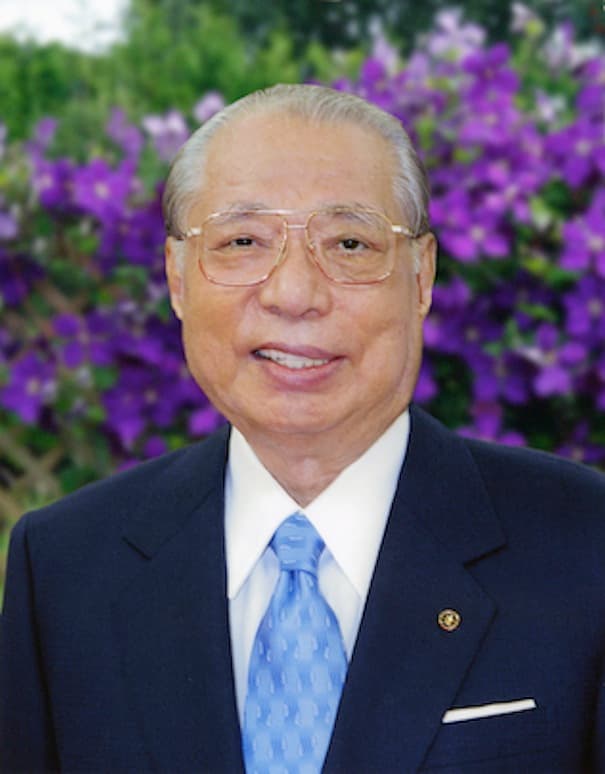
Daisaku Ikeda was a prominent Japanese Buddhist leader, author, educator, and advocate for nuclear disarmament. He served as the third president and then honorary president of the Soka Gakkai, a significant new religious movement in Japan, and was the founding president of the Soka Gakkai International. Ikeda is recognized for his extensive efforts in promoting peace, culture, and education through dialogue and the establishment of various institutions.

Jan Chozen Bays
Jan Chozen Bays is a prominent Zen teacher, author, and pediatrician with a specialization in child abuse. She is recognized for her contributions to mindful eating education and her role as a dharma heir of Taizan Maezumi Roshi. Bays has significantly impacted both the spiritual and medical communities through her teachings and expertise.