
Nichiren
Japan·Nichiren Buddhism (based on Lotus Sutra)·Male·13th century
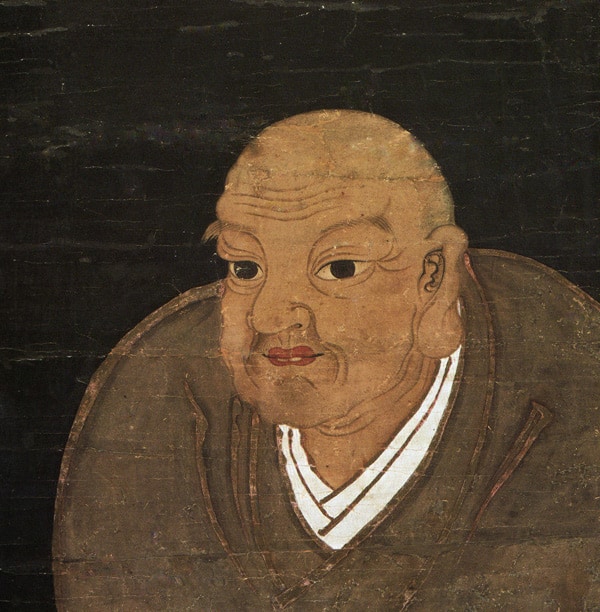
Nichiren was a Japanese Buddhist monk and philosopher of the Kamakura period, known as the founder of Nichiren Buddhism, a branch of Mahayana Buddhism centered on the Lotus Sutra. He proclaimed the Lotus Sutra as the ultimate truth and advocated reciting its title, Nam Myoho Renge Kyo, as the sole path to Buddhahood in this lifetime. His teachings, emphasizing the Lotus Sutra's supremacy and the necessity of its propagation, led to significant persecution but ultimately formed one of Japan's largest Buddhist traditions.
Key Facts
- ›Founder of Nichiren Buddhism, a school of Mahayana Buddhism.
- ›Taught that the Lotus Sutra contains the highest truth of Buddhism.
- ›Advocated reciting "Namu Myoho Renge Kyo" as the path to Buddhahood.
- ›Experienced multiple exiles and persecutions due to his critiques of other Buddhist schools.
- ›Considered himself a reincarnation of Bodhisattva VIśIṣṭacāritra.
- ›Authored significant works such as the Risshō Ankoku Ron, Kanjin no Honzon Shō, and Kaimoku Shō.
Important Relationships
- Shakyamuni
- Bodhisattva Viśiṣṭacāritra
- Hōjō Tokiyori
- Tojo Kagenobu
- Ryōkan
Risshō Ankoku Ron, Kanjin No Honzon Shō, Kaimoku Shō
Kominato, Kamakura, Izu Peninsula, Sado Island, Mount Hiei, Mount KōYa, Nara
Tendai Buddhism
Classical Chinese, Classical Japanese
Monk
About Nichiren
Nichiren (1222–1282)
Nichiren was a pivotal Japanese Buddhist monk and philosopher of the Kamakura period, celebrated as the founder of Nichiren Buddhism. This distinct branch of Mahayana Buddhism is rooted in his profound devotion to the Lotus Sutra, which he proclaimed as the sole repository of the highest Buddhist truth, particularly relevant for the "Age of Dharma Decline." Nichiren advocated for the faithful recitation of the Lotus Sutra's title, "Namu Myoho Renge Kyo," as the most direct and accessible path to enlightenment for all individuals, irrespective of their social standing.
Life and Teachings
Born Zennichimaro in Kominato, Nichiren began his Buddhist studies at the Tendai school's Seichō-ji temple at the age of twelve. After extensive study of various Buddhist traditions, he returned to Seichō-ji in 1253 to declare the supremacy of the Lotus Sutra, a stance that marked the beginning of his life's work and also his first public declaration of his core practice. He later adopted the name Nichiren, meaning "Sun Lotus," symbolizing Japan and the Lotus Sutra itself. His fervent critiques of other Buddhist schools, especially Pure Land Buddhism's nembutsu practice, led to significant opposition and persecution from both religious authorities and the Kamakura shogunate.
Nichiren's teachings emphasized that the world's suffering and calamities were a consequence of adherence to incorrect Buddhist teachings. His most influential treatise, the "Risshō Ankoku Ron" (On Securing the Peace of the Land through the Propagation of True Buddhism), submitted in 1260, argued that Japan would face disasters and foreign invasion unless it embraced the Lotus Sutra exclusively. This prophetic warning, coupled with the actual threat of Mongol invasions, solidified his position as a controversial yet significant figure.
Persecution and Legacy
Nichiren's uncompromising stance resulted in severe persecution, including two exiles and the imprisonment and execution of some followers. He endured banishment to the Izu Peninsula and later to Sado Island, where he produced some of his most significant writings, including the "Kanjin no Honzon Shō" and "Kaimoku Shō." During his exile, Nichiren identified himself with key Lotus Sutra bodhisattvas, viewing his own hardships as a fulfillment of the sutra's prophecies and as a means of "bodily reading the Lotus Sutra." Despite the adversities, Nichiren's followers persevered, and his teachings eventually blossomed into one of Japan's most prominent Buddhist traditions, with numerous organizations continuing his legacy today. He was posthumously honored with the titles "Great Bodhisattva Nichiren" and "Great Teacher of Correction."
Source: Wikipedia ↗
Frequently Asked Questions
When and where was Nichiren born?
Nichiren was born on April 6, 1222, in the village of Kominato, Awa Province, Japan (present-day Chiba Prefecture).
What is the central teaching of Nichiren Buddhism?
The central teaching is that the Lotus Sutra holds the ultimate truth of Buddhism and that reciting its title, Nam Myoho Renge Kyo, is the most effective way to achieve Buddhahood in this life.
Why was Nichiren persecuted?
Nichiren's strong critiques of the Buddhist establishment and his insistence on the supremacy of the Lotus Sutra led to his persecution by the Kamakura Shogunate and Buddhist leaders of other schools.
What are Nichiren's most important written works?
His most significant works include the Risshō Ankoku Ron, which argued for peace through true Buddhism, and the Kanjin no Honzon Shō and Kaimoku Shō, written during his exile on Sado Island.
Did Nichiren believe he was a divine being?
Nichiren claimed to be the reincarnation of Bodhisattva Viśiṣṭacāritra and, in his later writings, identified himself with other significant Lotus Sutra bodhisattvas, seeing himself as a direct manifestation of the Lotus Sutra's teachings.
What is the "Tatsunokuchi Persecution"?
The Tatsunokuchi Persecution refers to an event in 1271 where Nichiren was brought to Tatsunokuchi beach for execution, which traditionally ended miraculously. This event was seen by Nichiren as a transformative moment of "casting off the transient and revealing the true."
How did Nichiren's teachings influence Japan?
Nichiren's teachings formed the basis of Nichiren Buddhism, which grew to become one of Japan's largest Buddhist traditions. His emphasis on national peace through correct Buddhist practice, as outlined in the Risshō Ankoku Ron, had a significant impact on religious and political discourse.
Related Buddhists
Ajahn Brahm
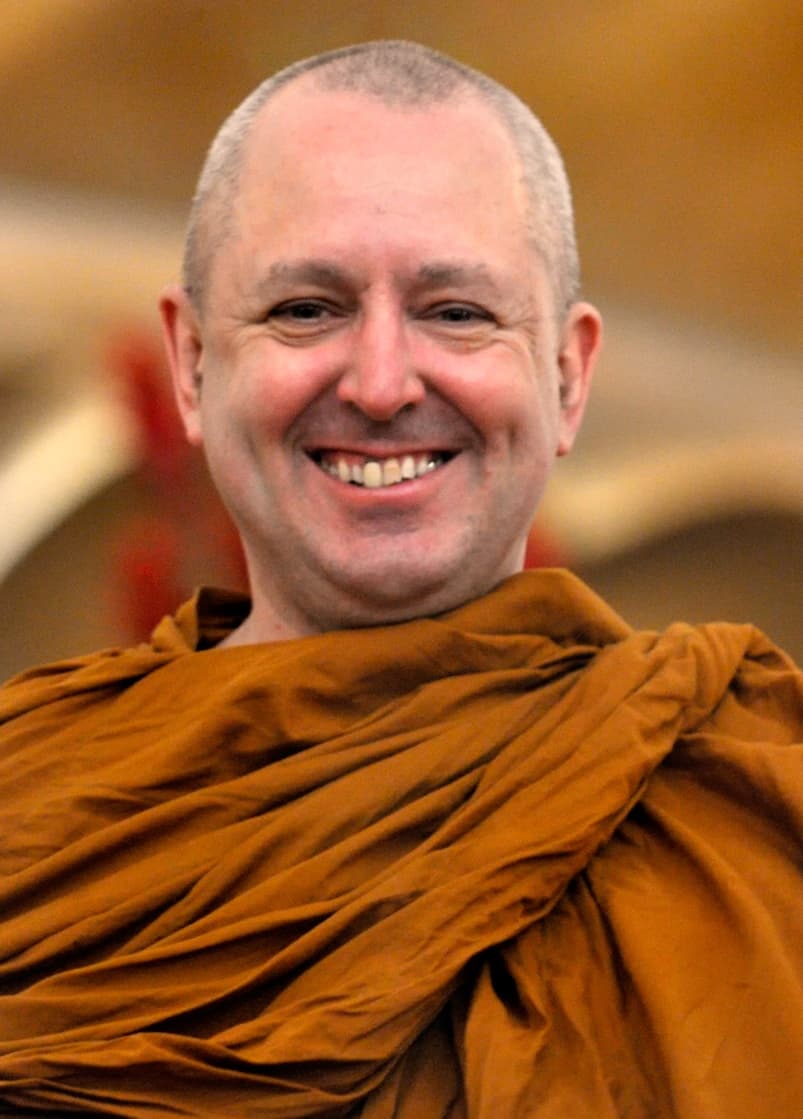
Ajahn Brahm, born Peter Betts, is a British-born Buddhist monk and a prominent figure in the Thai Forest Tradition of Theravada Buddhism. He is known for his teachings on meditation, mindfulness, and compassion, often delivered with humor. Ajahn Brahm is the abbot of Bodhinyana Monastery in Western Australia and has been influential in advocating for and facilitating the re-establishment of bhikkhuni (nun) ordinations.

Pragyananda Mahasthavir
Pragyananda Mahasthavir was a pivotal Nepalese Buddhist monk instrumental in the revival of Theravada Buddhism in Nepal. He was the first monk in yellow robes seen in Kathmandu in centuries and became the first Sangha Mahanayaka (Patriarch) of Nepal in modern times. Despite facing suppression and exile under the Rana regime for practicing Buddhism and writing in Nepal Bhasa, he continued his work, establishing monasteries and writing extensively.
Dōgen
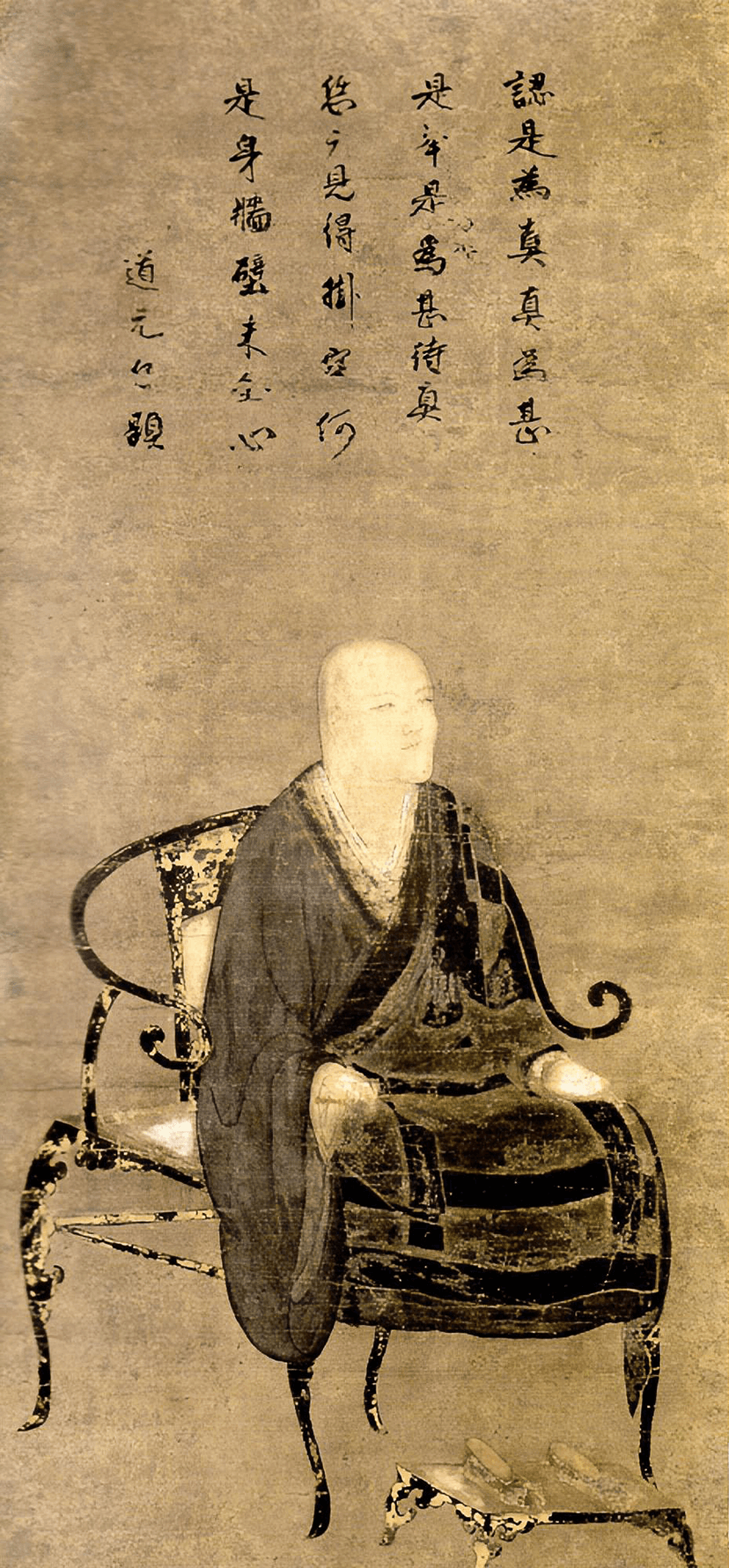
Dōgen was a pivotal Japanese Zen Buddhist monk, philosopher, and poet who founded the Sōtō school of Zen in Japan. Dissatisfied with existing Buddhist teachings, he traveled to China and studied under Tiāntóng Rújìng, an eminent master of the Cáodòng lineage. Upon his return, Dōgen introduced and emphasized the practice of zazen (sitting meditation) through his extensive writings, most notably the Shōbōgenzō, which remain central to contemporary Sōtō Zen.