
Pragyananda Mahasthavir
Pragyananda Mahasthavir was a pivotal Nepalese Buddhist monk instrumental in the revival of Theravada Buddhism in Nepal. He was the first monk in yellow robes seen in Kathmandu in centuries and became the first Sangha Mahanayaka (Patriarch) of Nepal in modern times. Despite facing suppression and exile under the Rana regime for practicing Buddhism and writing in Nepal Bhasa, he continued his work, establishing monasteries and writing extensively.
Key Facts
- ›Born Kul Man Singh Tuladhar in Kathmandu, Nepal.
- ›Became the first Theravada monk in Kathmandu in 1930 after centuries without such a visible presence.
- ›Was exiled from Nepal in 1944 by the Rana regime for preaching Buddhism and writing in Nepal Bhasa.
- ›Co-founded the Dharmodaya Sabha (Society for the Rise of the Teaching) in Sarnath, India.
- ›Appointed the first Sangha Mahanayaka (Patriarch) of modern Nepal.
- ›Authored 19 books on Buddhism and was also a skilled artist, painting paubha scroll paintings.

Important Relationships
- Dhammalok Mahasthavir
- Kumar Kashyap Mahasthavir
- Bauddha Rishi Mahapragya
- Rana regime
19 Books Related To Buddhism, Dirghayu Rajkumar
Kathmandu, Itum Bahal, Lhasa, Shigatse, Kushinagar, Myanmar, Kindo Baha, Sarnath, Pranidhipurna Mahavihar, Balambu, Lalitpur, Nagam, Nagara Mandapa Shri Kirti Vihara, Kirtipur
Mahapragya
Nepal Bhasa, Nepali, Hindi, Tibetan, Bengali, Pali, Burmese
Tibetan Novice Monk, Theravada Monk
About Pragyananda Mahasthavir
Pragyananda Mahasthavir, born Kul Man Singh Tuladhar on May 2, 1900, was a highly influential Nepalese Buddhist monk. He is celebrated as a key figure in the revival of Theravada Buddhism in Nepal during the 20th century. His presence in Kathmandu in 1930, as the first monk in yellow robes seen since the 14th century, marked a significant moment for the religion in the region.
Life and Historical Context
Born in Itum Bahal, Kathmandu, to a family of herbalists, Pragyananda initially pursued Ayurvedic medicine. His life took a spiritual turn when, at the age of 16, he traveled to Lhasa, Tibet. There, he encountered Mahapragya, a Nepalese monk, who inspired him to renounce his householder life and become a novice monk. After further spiritual seeking in Tibet and India, he and Mahapragya were reordained as Theravada monks in Kushinagar in 1928. He received full ordination in Myanmar in 1932, adopting the name Pragyananda.
Upon returning to Kathmandu, Pragyananda began giving religious discourses, attracting growing congregations. This activity, alongside his efforts to promote Buddhism and the Nepal Bhasa language, drew the ire of the autocratic Rana regime. The regime's suppression of these practices led to Pragyananda and eight other monks being exiled from Nepal on July 30, 1944. During their exile in India, they founded the Dharmodaya Sabha (Society for the Rise of the Teaching) in Sarnath.
Contributions and Legacy
Following international pressure, the ban on Buddhism was lifted, and Pragyananda returned to Nepal in 1946. He resumed his work, spending considerable time at the Pranidhipurna Mahavihar in Balambu, which he had established in 1942. After the fall of the Rana regime and the establishment of democracy in 1951, Buddhism became more firmly rooted in the country. Pragyananda was honored as the first Sangha Mahanayaka (Patriarch) of modern Nepal, a testament to his leadership and dedication.
Pragyananda Mahasthavir was a prolific writer, fluent in multiple languages including Nepal Bhasa, Nepali, Hindi, Tibetan, Bengali, Pali, and Burmese. He authored 19 books on Buddhism and several plays, contributing significantly to Nepalese religious and cultural literature. He was also recognized for his artistic talents, particularly his skill in painting paubha scroll paintings. He passed away in Lalitpur on March 11, 1993. His enduring legacy is further recognized through a commemorative postage stamp issued by the government of Nepal in 2001 and a statue erected in his honor.
Source: Wikipedia ↗
Frequently Asked Questions
Who was Pragyananda Mahasthavir?
Pragyananda Mahasthavir was a prominent Nepalese Buddhist monk and a leading figure in the revival of Theravada Buddhism in Nepal. He was born Kul Man Singh Tuladhar and played a crucial role in re-establishing Buddhist practices and literature in Nepal.
What was Pragyananda Mahasthavir's significance in Nepalese Buddhism?
He is significant for being the first monk in yellow robes to be seen in Kathmandu since the 14th century, marking a revival of visible Theravada practice. He also became the first Sangha Mahanayaka (Patriarch) of Nepal in modern times, symbolizing the re-establishment of Buddhist leadership.
Why was Pragyananda Mahasthavir exiled from Nepal?
Pragyananda, along with other monks, was exiled by the autocratic Rana regime on July 30, 1944. The regime ordered them to cease preaching Buddhism and writing in Nepal Bhasa, and their refusal led to their expulsion from the country.
What contributions did Pragyananda Mahasthavir make to Nepalese Buddhist literature and art?
He wrote extensively on Buddhism, publishing 19 books and several plays, contributing significantly to religious literature in Nepal Bhasa. He was also a skilled artist, known for his paubha scroll paintings.
Where did Pragyananda Mahasthavir receive his full ordination?
After being reordained as a Theravada monk in Kushinagar, India, Pragyananda traveled to Myanmar in 1931. He received his full ordination there in 1932, at which time he was given the name Pragyananda.
Related Buddhists
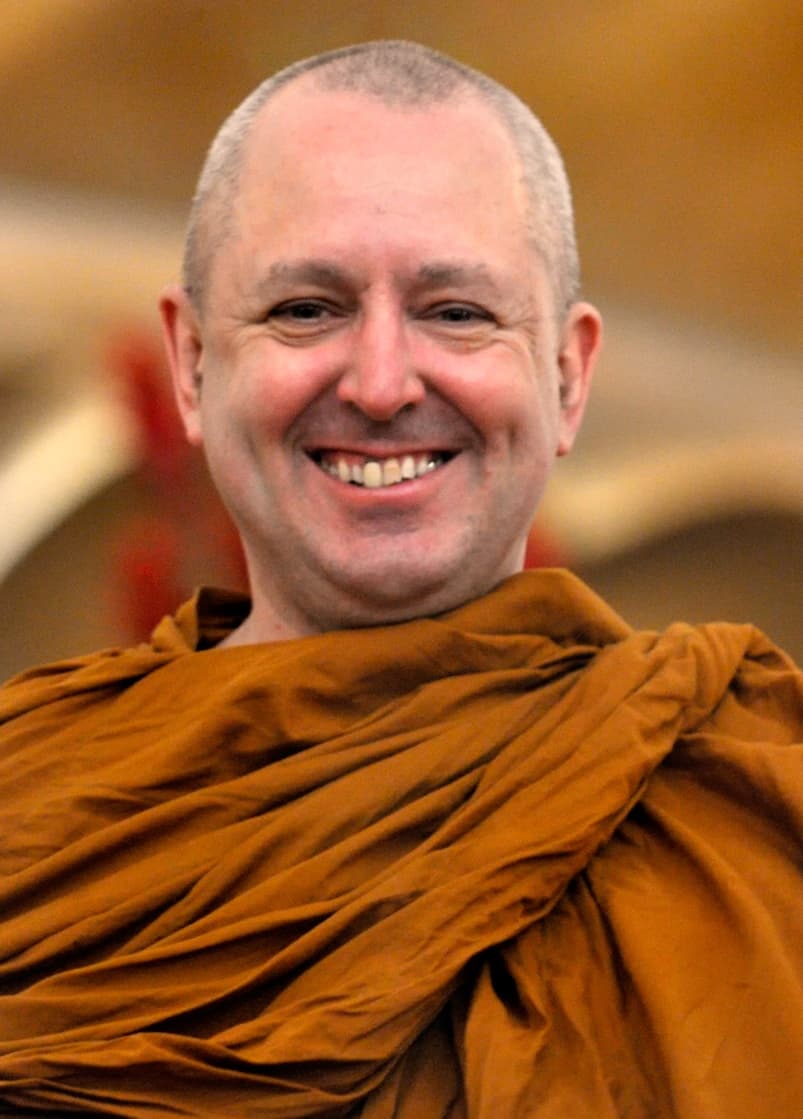
Ajahn Brahm
Ajahn Brahm, born Peter Betts, is a British-born Buddhist monk and a prominent figure in the Thai Forest Tradition of Theravada Buddhism. He is known for his teachings on meditation, mindfulness, and compassion, often delivered with humor. Ajahn Brahm is the abbot of Bodhinyana Monastery in Western Australia and has been influential in advocating for and facilitating the re-establishment of bhikkhuni (nun) ordinations.
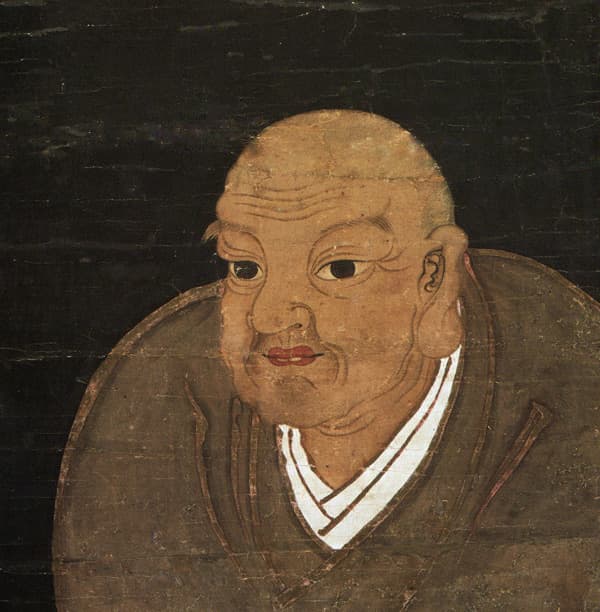
Nichiren
Nichiren was a Japanese Buddhist monk and philosopher of the Kamakura period, known as the founder of Nichiren Buddhism, a branch of Mahayana Buddhism centered on the Lotus Sutra. He proclaimed the Lotus Sutra as the ultimate truth and advocated reciting its title, Nam Myoho Renge Kyo, as the sole path to Buddhahood in this lifetime. His teachings, emphasizing the Lotus Sutra's supremacy and the necessity of its propagation, led to significant persecution but ultimately formed one of Japan's largest Buddhist traditions.
Palane Vajiragnana Thero
Palane Vajiragnana Thero was a distinguished Sri Lankan Buddhist monk, scholar, and founder of the Siri Vajiraramaya temple in Bambalapitiya. He served as the Maha Nayaka (head) of the Amarapura Sri Dharmarakshita sect for nearly four decades. Known for his deep knowledge of Buddhist scriptures, his strict adherence to monastic discipline, and his pioneering role in Buddhist broadcasting, he significantly influenced the monastic community and lay followers in Sri Lanka.