
Palane Vajiragnana Thero
Palane Vajiragnana Thero was a distinguished Sri Lankan Buddhist monk, scholar, and founder of the Siri Vajiraramaya temple in Bambalapitiya. He served as the Maha Nayaka (head) of the Amarapura Sri Dharmarakshita sect for nearly four decades. Known for his deep knowledge of Buddhist scriptures, his strict adherence to monastic discipline, and his pioneering role in Buddhist broadcasting, he significantly influenced the monastic community and lay followers in Sri Lanka.
Key Facts
- ›Founded the Siri Vajiraramaya temple in Bambalapitiya, Sri Lanka.
- ›Served as Maha Nayaka (head) of the Amarapura Sri Dharmarakshita sect for 37 years.
- ›Was the first Buddhist monk to deliver a sermon over the radio in Sri Lanka.
- ›Authored numerous articles compiled in 'Sri Vajrañāna Sahitya'.
- ›Established the 'Vajirārāmaya Tradition' emphasizing strict adherence to monastic rules.
- ›His students included prominent monks and future political leaders of Sri Lanka.
Important Relationships
- Dharma Samagama
- Dudley Senanayake
- J. R. Jayewardene
- Bernard Zoysa
- R. Premadasa
- Chandrika Bandaranaike
- Anura Bandaranaike
- Lalith Athulathmudali
- Kalukondayave Pannasekera Mahanayaka Thera
- Anagarika Dharmapala
- Piyadasa Sirisena
- W. A. Silva
- Sir D. B. Jayatilaka
- Dr G. P. Malalasekera
- Kumaratunga Munidasa
- Mahagoda Ñanissara Thera
- Narada Maha Thera
- Madihe Pannasiha Maha Thera
- Piyadassi Thera
- Ampitiye Rahula Thera
- Ñāṇamoli Thera
- Ñāṇavīra Thera
- Amitananda Maha Thera
- Subhodanada Thera
Sri VajrañāNa Sahitya, Bauddha Lamaya Magazine, Bosat Magazine, Lak Budu Sasuna Magazine
Siri Vajiraramaya Temple, Bambalapitiya, Pelene, Weligama, Devagiri Vihara, Kabmurugamuwa, Vidyodaya Pirivena, Colombo, Independence Square Esplanade, Colombo
Weragampita Siri Revata Maha Thera, Hikkaduwe Sri Sumangala MahanāYaka Thera
Sinhala, Pali, Sanskrit
Monastic Vows
About Palane Vajiragnana Thero
Palane Vajiragnana Thero (1878–1955) was a highly respected Sri Lankan Sinhala Buddhist monk, scholar, and spiritual leader who left an indelible mark on the Buddhist landscape of the island. He is most renowned for establishing the Siri Vajiraramaya temple in Bambalapitiya, Colombo, which became a significant center for Buddhist learning and practice. For 37 years, from 1918 until his passing, he held the esteemed position of Maha Nayaka (head) of the Amarapura Sri Dharmarakshita sect, guiding its spiritual and administrative affairs.
Life and Historical Context
Born Aron Pandita Gunawardena in Pelene, Weligama, on July 28, 1878, he hailed from a scholarly family; his father was Muhandiram Don Andris Tudawe Pandita Gunawardene, an Oriental scholar, and his mother was Dona Gimara Serasinghe. His early education provided a foundation in both vernacular and English, preparing him for a life of learning. At the age of 15, on July 20, 1890, he embraced monastic life as Palane Vajiranana, ordained under the guidance of Weragampita Siri Revata Maha Thera. His academic pursuits continued at Vidyodaya Pirivena in Colombo, under the tutelage of Hikkaduwe Sri Sumangala Mahanāyaka Thera, where he excelled, earning the Siyāmarāja Prize in 1900. He received his higher ordination on April 20, 1900.
Establishment of Siri Vajirārāmaya Temple
The genesis of the Siri Vajiraramaya temple began in the 1880s with the formation of the Dharma Samagama in Bambalapitiya. This society eventually led to the construction of a Dharma Sala and a small dwelling. In 1901, the young Pelene Vajirañāna was invited to reside there, marking the beginning of the temple's development. Under his leadership, the temple grew, incorporating a Bo tree symbolizing enlightenment and a Vihara-ge with a Buddha image. The temple also became a hub for intellectual activity, with a library built in 1909 and the Vajirārāma Dhamma School established in 1918, which educated future prominent Sri Lankan politicians.
Scholarship and Contributions
Palane Vajiragnana Thero was deeply knowledgeable in the Buddhist Tipitaka, its commentaries, and sub-commentaries, earning the admiration of his students. His scholarly writings were compiled and published as 'Sri Vajrañāna Sahitya'. He was recognized early for his intellectual prowess, becoming a member of the Pracheena Bhasopakara Samitiya at the young age of 27. He was a contemporary of many influential figures, including Anagarika Dharmapala and Sir D. B. Jayatilaka. His commitment to disseminating Buddhist teachings extended to journalism, as he founded the Sinhala magazine 'Bauddha Lamaya' in 1937, and English and Sinhala magazines aimed at children and the broader Buddhist community.
Broadcasting and Vajirārāmaya Tradition
A significant milestone in his career was becoming the first Buddhist monk to broadcast a sermon over the radio in Sri Lanka on April 21, 1928. His effective sermon delivery style became a model for others. Palane Vajiragnana Thero was also a staunch advocate for the strict observance of monastic discipline (Pāṭimokkha). This adherence defined the monks of Vajirārāmaya, who were recognizable by their practices and the unique 'Vajirārāma-colour' of their robes. These rules and traditions were formally laid down in the Vajirārāma Katikavata of January 12, 1940.
Legacy and Death
Palane Vajiragnana Thero passed away on September 21, 1955. His funeral was a grand state-sponsored event, attended by an estimated half a million people, reflecting his widespread influence and the deep respect he commanded across all segments of society. His passing was mourned as the loss of a great scholar, a living example of monastic discipline, and a pillar of the Sambuddha Sasana.
Source: Wikipedia ↗
Frequently Asked Questions
Who was Palane Vajiragnana Thero?
Palane Vajiragnana Thero was a prominent Sri Lankan Buddhist monk, scholar, and abbot. He is best known for founding the Siri Vajiraramaya temple in Bambalapitiya and for his long tenure as the Maha Nayaka of the Amarapura Sri Dharmarakshita sect.
When and where was Palane Vajiragnana Thero born?
Palane Vajiragnana Thero was born on July 28, 1878, in Pelene, Weligama, in the Matara District of Sri Lanka. His birth name was Aron Pandita Gunawardena.
What was Palane Vajiragnana Thero's role in Buddhist broadcasting?
He holds the distinction of being the first Buddhist monk to deliver a sermon over the radio in Sri Lanka. This historic broadcast took place on April 21, 1928, and his delivery style was emulated by his disciples.
What is the significance of the 'Vajirārāmaya Tradition'?
The 'Vajirārāmaya Tradition,' established by Palane Vajiragnana Thero, emphasized strict adherence to monastic discipline as outlined in the Pāṭimokkha. This included distinctive practices such as simultaneous shaving of head and beard, using an alms-bowl for meals, and a unique robe color known as 'Vajirārāma-colour'.
Who were some notable pupils of Palane Vajiragnana Thero?
Palane Vajiragnana Thero had many notable pupils, including Narada Maha Thera, Madihe Pannasiha Maha Thera (who succeeded him as Maha Nayaka), and Piyadassi Thera. His students also included English monks like Ñāṇamoli and Ñāṇavīra, and students from Nepal.
When did Palane Vajiragnana Thero pass away?
Palane Vajiragnana Thero passed away on September 21, 1955, after a period of illness. His cremation was a significant event, attended by an estimated 500,000 devotees and held with state patronage.
Related Buddhists
Ambagahawatte Indrasabhawara Gnanasami Maha Thera
Most Ven. Ambagahawatte Indrasabhawara Gnanasami Maha Thera was a prominent Buddhist figure in Sri Lanka, recognized as the founder of the Sri Lanka Ramanna Nikaya and the Sri Dharmagupta Pirivena. He holds the distinction of being the first Maha Nayaka Thera of the Sri Lanka Ramanna Nikaya, a significant role in the island's monastic traditions.

Pragyananda Mahasthavir
Pragyananda Mahasthavir was a pivotal Nepalese Buddhist monk instrumental in the revival of Theravada Buddhism in Nepal. He was the first monk in yellow robes seen in Kathmandu in centuries and became the first Sangha Mahanayaka (Patriarch) of Nepal in modern times. Despite facing suppression and exile under the Rana regime for practicing Buddhism and writing in Nepal Bhasa, he continued his work, establishing monasteries and writing extensively.
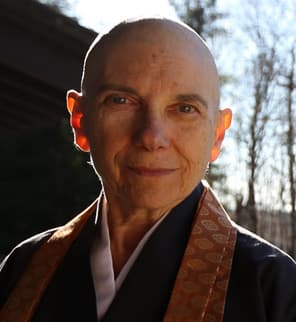
Sherry Chayat
Shinge-shitsu Roko Sherry Chayat is a prominent American Zen Buddhist leader, recognized as the former abbot of the International Dai Bosatsu Zendo Kongo-ji monastery and the Zen Center of Syracuse Hoen-ji. She is known for her advocacy of meditation in healthcare settings and for being the first American woman to receive Dharma transmission in the Rinzai school.