
Sherry Chayat
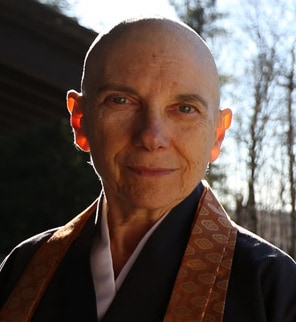
Shinge-shitsu Roko Sherry Chayat is a prominent American Zen Buddhist leader, recognized as the former abbot of the International Dai Bosatsu Zendo Kongo-ji monastery and the Zen Center of Syracuse Hoen-ji. She is known for her advocacy of meditation in healthcare settings and for being the first American woman to receive Dharma transmission in the Rinzai school.
Key Facts
- ›Born in Brooklyn, New York in 1943.
- ›Received Dharma name Roko, meaning 'sparkling dew'.
- ›Ordained as a Zen priest in 1985 and received Dharma transmission in 1998 from Eido Shimano Roshi.
- ›First American woman to receive transmission in the Rinzai school of Buddhism.
- ›Installed as Abbot of Dai Bosatsu Zendo Kongo-ji in 2011, retiring in 2023.
- ›Advocates for the use of meditation in medical settings through programs like Well/Being Contemplative Practices for Healing.
Important Relationships
- Eido Tai Shimano (teacher)
- Haku'un Yasutani (teacher)
- Soen Nakagawa (teacher)
- Maurine Stuart Roshi (teacher)
- Subtle Sound: the Zen Teachings of Maurine Stuart
- Life Lessons: the Art of Jerome Witkin
- Endless Vow: the Zen Path of Soen Nakagawa
- Eloquent Silence: Nyogen Senzaki's Gateless Gate and Other Previously Unpublished Teachings and Letters
- International Dai Bosatsu Zendo Kongo-Ji Monastery
- New York Zendo Shobo-Ji
- Zen Center of Syracuse Hoen-Ji
- Livingston Manor, Ny
- Upper East Side of Manhattan
- Syracuse, Ny
D.T. Suzuki, Alan Watts, Eido Tai Shimano, Haku'Un Yasutani, Soen Nakagawa, Maurine Stuart Roshi
English
Zen Priest Ordination, Dharma Transmission
About Sherry Chayat
Shinge-shitsu Roko Sherry Chayat
Shinge-shitsu Roko Sherry Chayat, born in 1943, is a significant figure in contemporary American Zen Buddhism, particularly within the Rinzai school. She is recognized for her leadership roles, her advocacy for contemplative practices in healthcare, and her contributions as an editor of important Zen texts.
Life and Historical Context
Born in Brooklyn, New York, Sherry Chayat's early life included periods in New Mexico and New Jersey. Her interest in Zen Buddhism began in her youth, leading to informal studies during college and later a formal commitment to the practice. In 1967, she joined the Zen Studies Society in New York City, where she trained under prominent teachers such as Eido Tai Shimano, Haku'un Yasutani, and Soen Nakagawa. After moving to Syracuse and taking a period away from the Zen Studies Society, she became involved with a local sitting group, eventually leading it and being ordained as a Zen priest in 1985 by Maurine Stuart Roshi.
Chayat continued her advanced training at Dai Bosatsu Zendo Kongo-ji, receiving Dharma transmission from Eido Shimano Roshi in 1998. This marked a significant milestone, as she became the first American woman to receive transmission in the Rinzai school. In 2008, she received the title of roshi and the Dharma name Shinge from Eido Roshi, in a ceremony held for the first time in the United States. She was installed as the second Abbot of Dai Bosatsu Zendo Kongo-ji on New Year's Day 2011, serving until her retirement in October 2023.
Major Contributions
Sherry Chayat is a proponent of integrating meditation and contemplative practices into medical settings. Through the Zen Center of Syracuse Hoen-ji, she has been instrumental in developing programs like "Well/Being Contemplative Practices for Healing," aimed at supporting healthcare professionals. Her editorial work includes contributions to significant publications such as "Subtle Sound: the Zen Teachings of Maurine Stuart," "Endless Vow: The Zen Path of Soen Nakagawa," and "Eloquent Silence: Nyogen Senzaki's Gateless Gate and Other Previously Unpublished Teachings and Letters." She also authored "Life Lessons: The Art of Jerome Witkin."
Important Relationships
Chayat's spiritual lineage and development were profoundly shaped by her teachers, including Eido Tai Shimano, Haku'un Yasutani, Soen Nakagawa, and Maurine Stuart Roshi. Her association with these figures is central to her understanding and transmission of Zen practice.
Source: Wikipedia ↗
Frequently Asked Questions
Who is Sherry Chayat?
Sherry Chayat, also known by her Dharma names Roko and Shinge, is a contemporary American Zen Buddhist leader. She served as the abbot of the International Dai Bosatsu Zendo Kongo-ji and the Zen Center of Syracuse Hoen-ji.
What is Sherry Chayat known for?
Chayat is recognized for her leadership in Zen Buddhism, particularly within the Rinzai school where she was the first American woman to receive Dharma transmission. She is also an advocate for integrating meditation into healthcare.
When did Sherry Chayat become a Zen priest?
Sherry Chayat was ordained as a Zen priest in 1985 by Maurine Stuart Roshi. She later received Dharma transmission in 1998 from Eido Shimano Roshi.
What are Sherry Chayat's roles in Zen Buddhist organizations?
She served as the Abbot of the Zen Center of Syracuse Hoen-ji and was installed as the second Abbot of Dai Bosatsu Zendo Kongo-ji in 2011, a position she held until her retirement in 2023.
Related Buddhists
Sōkō Morinaga
Sōkō Morinaga was a prominent Rinzai Zen Rōshi and abbot of Daishu-in, a sub-temple of Myōshin-ji. He was known for his extensive writings in Japanese and English, and for teaching annually in England, influencing Western Zen practitioners. Morinaga also served as the president of Hanazono University from 1986 to 1994.

Somdet Phra Ariyavongsagatanana IX
Somdet Phra Ariyavongsagatanana IX, born Amborn Prasatthapong, is the 20th Supreme Patriarch of Thailand and the superior general of the Dhammayuttika Nikaya. He is a highly respected Theravada Buddhist monk known for his extensive studies in Pali and religious history, as well as his practice within the Thai Forest Tradition. His appointment as Supreme Patriarch in 2017 by King Vajiralongkorn marked a significant moment in the leadership of the Thai Sangha.
Soyen Shaku
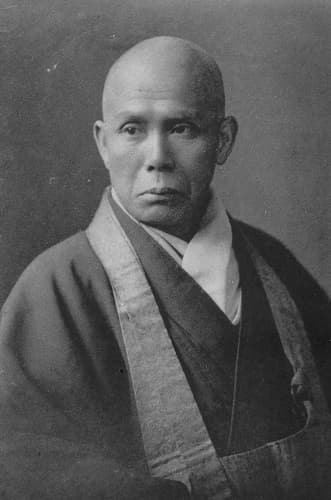
Soyen Shaku was the first Zen Buddhist master to teach in the United States, belonging to the Rinzai school. He served as abbot of prominent temples in Kamakura, Japan, and played a significant role in introducing Zen Buddhism to a Western audience through his participation in the World Parliament of Religions and subsequent lectures in America. His teachings emphasized equanimity and the overcoming of inner demons, influencing figures like D. T. Suzuki.