
Sōkō Morinaga
Sōkō Morinaga was a prominent Rinzai Zen Rōshi and abbot of Daishu-in, a sub-temple of Myōshin-ji. He was known for his extensive writings in Japanese and English, and for teaching annually in England, influencing Western Zen practitioners. Morinaga also served as the president of Hanazono University from 1986 to 1994.
Key Facts
- ›He was a Rinzai Rōshi, an ordained Buddhist monk and teacher in the Zen tradition.
- ›Served as the abbot of Daishu-in, a sub-temple within the Myōshin-ji complex.
- ›Held the position of president of Hanazono University between 1986 and 1994.
- ›Authored over a dozen books in Japanese and several in English and German.
- ›Made annual summer visits to England to teach at the Buddhist Society's Summer School.
- ›His Western students established Daishu-in West Zen Temple in California.
Important Relationships
- Gotō Zuigan (teacher)
- Oda Sessō Rōshi (Dharma brother and teacher)
- Venerable Myōkyō-ni (student)
- Shaku Daijō (student)
- Ursula Jarand (student)
- Pointers To Insight: Life of A Zen Monk
- Novice To Master: An Ongoing Lesson In the Extent of My Own Stupidity
- the Ceasing of Notions: Zen Text From the Tun-Huang Caves
- Mumonkan: the Gateless Gate With Commentary By Soko Morinaga Roshi
- Dialog üBer Das AuslöSchen Der Anschauung
- Hui-Neng, Das Sutra Des Sechsten Patriarchen
Daishu-In, MyōShin-Ji, RyōAn-Ji, KyōTo, England, London, California
Gotō Zuigan, Oda Sessō RōShi
Japanese, English, German
Monk
RōShi
About Sōkō Morinaga
Sōkō Morinaga: A Rinzai Zen Master and Scholar
Sōkō Morinaga (1925–1995) was a highly respected Rinzai Rōshi, an ordained Buddhist monk and teacher within the Zen tradition. He held significant positions as the abbot of Daishu-in, a sub-temple of the Myōshin-ji complex, and served as the president of Hanazono University from 1986 to 1994. Morinaga was a prolific author, with over a dozen books published in Japanese and several translated into English and German, making his teachings accessible to a wider audience.
Life and Teachings
Born in Uozu, Toyama, Japan, Morinaga's early life was marked by the loss of both parents just before his intended military conscription during World War II. After completing his studies, he became a monk in 1949 under Gotō Zuigan and later trained under Oda Sessō Rōshi at Daitoku-ji monastery, receiving his inka shōmei (seal of approval) in 1963. He returned to Daishu-in as chief priest, where he served until his death. Morinaga was dedicated to spreading Zen Buddhism, making annual teaching visits to England and ordaining Western students, some of whom established Zen centers abroad, such as Daishu-in West Zen Temple in California.
Source: Wikipedia ↗
Frequently Asked Questions
Who was Sōkō Morinaga?
Sōkō Morinaga was a Rinzai Rōshi, an ordained Zen Buddhist monk and teacher. He was also the abbot of Daishu-in, a sub-temple of the Myōshin-ji complex, and served as president of Hanazono University.
What are some of Sōkō Morinaga's notable works?
Morinaga authored numerous books, including "Pointers to Insight: Life of a Zen Monk" and "Novice to Master: An Ongoing Lesson in the Extent of My Own Stupidity." He also provided commentary on texts like the Zekkanron and the Mumonkan.
Where did Sōkō Morinaga teach?
Sōkō Morinaga primarily served as the abbot of Daishu-in in Kyoto. He also made annual teaching visits to England and had Western students who established Zen centers in California.
When did Sōkō Morinaga live?
Sōkō Morinaga was born on August 2, 1925, and passed away on June 12, 1995.
Related Buddhists
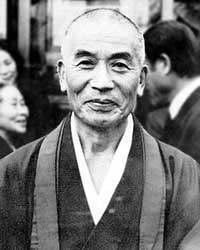
Omori Sogen
Omori Sogen was a prominent Japanese Rinzai Rōshi and successor in the Tenryū-ji line, known for integrating swordsmanship and calligraphy into his Zen practice. He founded important Zen centers in Japan and Hawaii and authored influential texts on Zen training. His unique approach, described as a unity of Zen, Ken (martial arts), and Sho (calligraphy), has had a significant impact on practitioners in both Japan and the West.
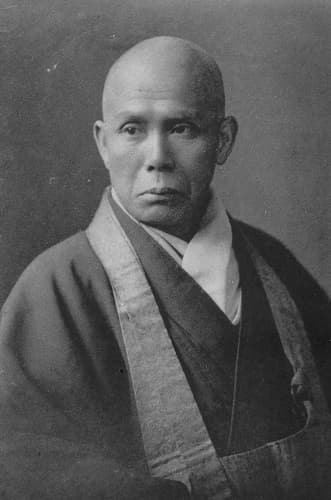
Soyen Shaku
Soyen Shaku was the first Zen Buddhist master to teach in the United States, belonging to the Rinzai school. He served as abbot of prominent temples in Kamakura, Japan, and played a significant role in introducing Zen Buddhism to a Western audience through his participation in the World Parliament of Religions and subsequent lectures in America. His teachings emphasized equanimity and the overcoming of inner demons, influencing figures like D. T. Suzuki.
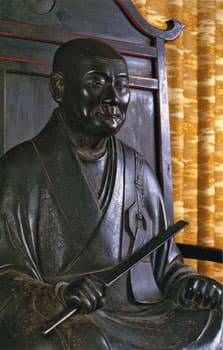
Jakushitsu Genkō
Jakushitsu Genkō was a significant Japanese Rinzai Zen master, poet, and musician, renowned for his exceptional Zen poetry. He studied Ch'an Buddhism in China and later returned to Japan, eventually becoming the first abbot of Eigen-ji, a temple built specifically for him to teach Zen.