
Omori Sogen
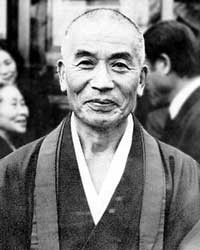
Omori Sogen was a prominent Japanese Rinzai Rōshi and successor in the Tenryū-ji line, known for integrating swordsmanship and calligraphy into his Zen practice. He founded important Zen centers in Japan and Hawaii and authored influential texts on Zen training. His unique approach, described as a unity of Zen, Ken (martial arts), and Sho (calligraphy), has had a significant impact on practitioners in both Japan and the West.
Key Facts
- ›A Rinzai Rōshi and successor in the Tenryū-ji line.
- ›Integrated swordsmanship (Ken) and calligraphy (Sho) into his Zen practice.
- ›Founded Seitai-ji monastery in Japan and Daihonzan Chozen-ji in Honolulu, Hawaii.
- ›Authored over 20 books in Japanese, including 'Sanzen Nyumon' ('an Introduction to Zen Training').
- ›Was a teacher of Kashima Shinden Jikishinkage-ryū swordsmanship and a calligrapher in the Taishi school.
- ›Known for his right-wing ultra-nationalist political activism prior to World War II.
Important Relationships
- Tenryū-ji line
- Hanazono University
- Kashima Shinden Jikishinkage-ryū swordsmanship
- Taishi school of calligraphy
- Sanzen Nyumon
- An Introduction To Zen Training
- Zen and the Art of Calligraphy: the Essence of Sho
- Zen & Budo
Seitai-Ji Monastery, Japan, Daihonzan Chozen-Ji, Honolulu, Hawaii
Yamaoka Tesshū
Japanese
RōShi, Teacher, Author, Founder, University President
About Omori Sogen
Ōmori Sōgen (1904–1994)
Ōmori Sōgen was a significant Japanese Rinzai Rōshi and a successor within the Tenryū-ji line of Rinzai Zen Buddhism. He held the position of president at Hanazono University, the Rinzai university located in Kyoto, Japan. Omori Sogen is particularly noted for his innovative approach to Zen practice, which integrated his expertise in martial arts, specifically Kashima Shinden Jikishinkage-ryū swordsmanship, and calligraphy in the Taishi school of Yamaoka Tesshū, with traditional Zen methods. This unique synthesis has been described as a unification of Zen, Ken (referring to martial arts or physical culture), and Sho (referring to calligraphy or fine arts).
Life and Teachings
Omori Sogen became a priest in 1945. His teachings emphasized a holistic approach to spiritual development, blending physical discipline and artistic expression with meditation and philosophical inquiry. This integrated practice aimed to cultivate a unified mind and body, fostering both spiritual insight and practical skill. His influence extended beyond Japan, as he founded important Zen centers that continue to propagate his teachings.
Founding and Legacy
Omori Sōgen founded Seitai-ji monastery in Japan. He also established Daihonzan Chozen-ji in Honolulu, Hawaii, a historically significant institution as it was the first Rinzai headquarters temple established outside of Japan according to Rinzai canon law. His dharma successors and descendants remain active in both Japan and the West, with established centers in the United States (such as Chosei Zen and Daiyuzenji) and active groups in Germany and Austria.
He authored over 20 books in the Japanese language, including "Sanzen Nyumon," which was translated into English and published as "An Introduction to Zen Training" in 2002. This book is considered a foundational text for individuals training in the Chozen-ji tradition of Rinzai Zen. Omori Sogen was also recognized for his right-wing ultra-nationalist political activism and influence in government circles prior to World War II.
Notable Students
Omori Sogen's notable students include Sasaki Gensō Rōshi, Kadowaki Kakichi Roshi (author of "Zen and the Bible"), Tanouye Tenshin Roshi, Hozumi Gensho Roshi, Hosokawa Dogen Roshi, and Shiohira Hideki Sensei. These students have played a significant role in disseminating his teachings and continuing his lineage.
Source: Wikipedia ↗
Frequently Asked Questions
Who was Omori Sogen?
Omori Sogen (1904–1994) was a Japanese Rinzai Rōshi, a successor in the Tenryū-ji line of Rinzai Zen, and a former president of Hanazono University. He is recognized for his distinctive approach to Zen practice that unified Zen with martial arts and calligraphy.
What is Omori Sogen's approach to Zen practice?
Omori Sogen's approach is characterized by the integration of insights from his training in swordsmanship (Ken) and calligraphy (Sho) with traditional Zen methods. This unique synthesis is often described as a unity of Zen, Ken, and Sho.
What significant Zen centers did Omori Sogen establish?
Omori Sogen founded Seitai-ji monastery in Japan. He also established Daihonzan Chozen-ji in Honolulu, Hawaii, which holds the distinction of being the first Rinzai headquarters temple established outside of Japan according to Rinzai canon law.
What are Omori Sogen's notable written works?
Omori Sogen authored more than 20 books in Japanese. His work 'Sanzen Nyumon' was translated into English as 'An Introduction to Zen Training' and is considered a foundational text for Zen students within the Chozen-ji tradition.
Did Omori Sogen have any political involvement?
Yes, Omori Sogen was known for his right-wing ultra-nationalist political activism and influence in government circles prior to the outbreak of the Second World War.
Related Buddhists
Sōkō Morinaga
Sōkō Morinaga was a prominent Rinzai Zen Rōshi and abbot of Daishu-in, a sub-temple of Myōshin-ji. He was known for his extensive writings in Japanese and English, and for teaching annually in England, influencing Western Zen practitioners. Morinaga also served as the president of Hanazono University from 1986 to 1994.
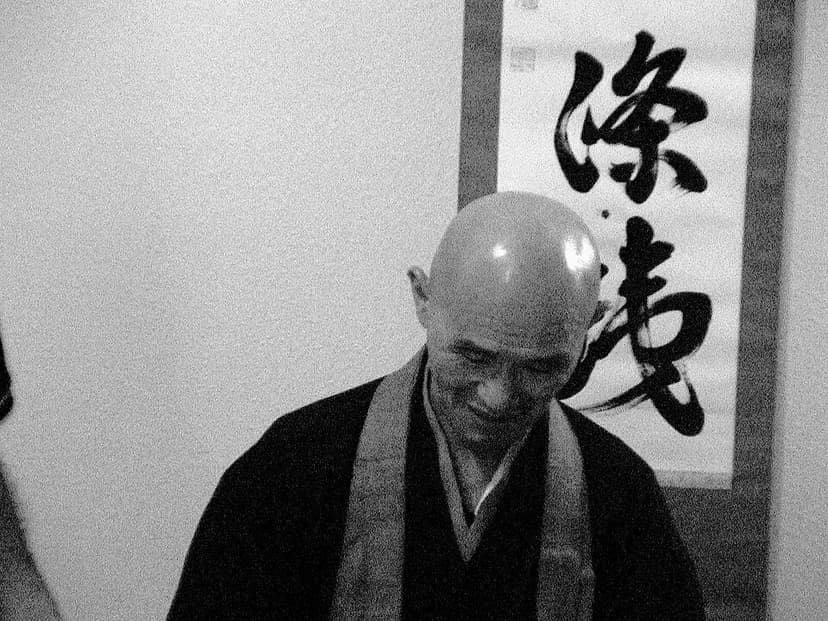
Shodo Harada
Shodo Harada, also known as Harada Roshi, is a prominent Rinzai Zen Buddhist priest, author, and calligrapher. He is the head abbot of Sōgen-ji temple in Okayama, Japan, and is recognized as a "teacher of teachers" whose influence extends globally through his teachings and the establishment of practice centers in the United States and Europe. Harada Roshi is known for his extensive writings and calligraphy, sharing Zen insights with a wide audience.
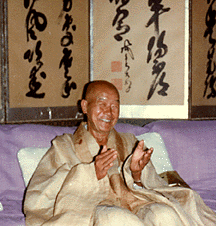
Soen Nakagawa
Soen Nakagawa was a Taiwanese-born Japanese Rinzai Zen Buddhist master known for his significant impact on 20th-century Zen practice in Japan and abroad. An unconventional and enigmatic figure, he was also a gifted poet whose life journey included extensive Zen training, founding Zen centers, and influencing many students.