
Taixu
China·Linji school of Chan Buddhism·Male·20th century
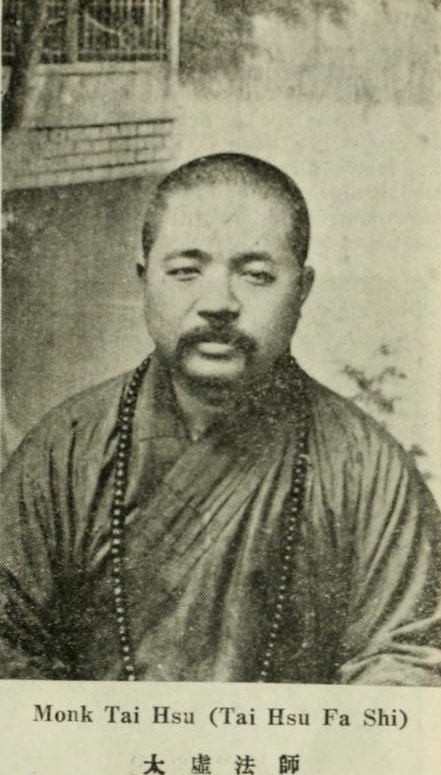
Taixu was a prominent Chinese Buddhist modernist, activist, and thinker who lived from 1890 to 1947. He is known for advocating a significant reformation and revival of Chinese Buddhism, drawing inspiration from both domestic traditions and foreign ideologies. His efforts aimed to adapt Buddhism to the modern world, emphasizing social engagement and interreligious dialogue.
Key Facts
- ›Born Lǚ PèILín in Haining, Zhejiang province, China.
- ›Ordained into the Linji school of Chan Buddhism at age 16, receiving the Dharma name Taixu.
- ›Influenced by political thinkers and advocated for social and political reform alongside Buddhist reformation.
- ›Founded the Association for the Advancement of Buddhism, though it had a short lifespan.
- ›Proposed a radical reorganization of the Sangha, aiming for a smaller, more specialized monastic order.
- ›Championed the idea of creating a 'Pure Land' in this world through dedicated effort and social action.
Important Relationships
- Yang Renshan
- Yin Shun
- Dongchu
- Catholic archbishop
Autobiography, Science and Buddhism
Haining, Zhejiang Province, Suzhou, Nanking, Guangzhou, Putuoshan, Jade Buddha Temple
Kang Youwei, Liang Qichao, Tan Sitong, Zhang Taiyan
Chinese
Ordination Vows
About Taixu
Taixu (1890–1947)
Taixu, born Lǚ Pèilín, was a highly influential Chinese Buddhist modernist, activist, and thinker who dedicated his life to reforming and reviving Chinese Buddhism in the early 20th century. His efforts were characterized by an eclectic approach, drawing on both traditional Chinese Buddhist sources and contemporary domestic and foreign ideologies.
Life and Historical Context
Born in Haining, Zhejiang province, Taixu was orphaned at a young age and raised by his grandparents. At sixteen, he was ordained into the Linji school of Chan Buddhism, receiving the Dharma name Taixu, meaning 'Great Emptiness.' His intellectual development was significantly shaped by exposure to the political writings of reformers and revolutionaries such as Kang Youwei, Liang Qichao, Tan Sitong, and Zhang Taiyan. This exposure led him to integrate social and political reform with his Buddhist ideals, and he even participated in secret revolutionary activities during the overthrow of the Qing dynasty.
Following the establishment of the Republic of China, Taixu founded the Association for the Advancement of Buddhism, though it proved short-lived due to conservative opposition. Disheartened by the lack of progress and the global turmoil of World War I, he entered a three-year period of seclusion on Mount Putuo. Until his death, Taixu tirelessly pursued the revival of Chinese Buddhism, though many of his ambitious projects were hampered by China's pervasive economic and political instability.
Buddhist Modernism and Reforms
Taixu is best known as a Buddhist modernist who sought to adapt Buddhism for a global audience and a modernizing China. A key aspect of his reform agenda was the reorganization of the Sangha, proposing a streamlined monastic order with specialized roles for monks in teaching, administration, charity, and cultural affairs. He also championed the concept of the Pure Land, not as a distant paradise, but as an earthly realm that could be created through human effort and dedication.
Taixu utilized tactics such as cultural translation to make Buddhist teachings more accessible to non-Buddhists. He explored the intersections between Buddhism and science, arguing that while science could support Buddhist doctrines, it could not independently lead to enlightenment. His approach to interreligious dialogue was open-minded, suggesting that different religions could cooperate and learn from one another. He was particularly critical of the concept of a creator God, questioning its rational basis and its compatibility with the observed world.
Legacy
Despite facing numerous setbacks and the ultimate failure of many of his institutional endeavors, Taixu's ideas and reforms profoundly influenced the landscape of modern Chinese Buddhism. His emphasis on social engagement, intellectual adaptation, and interreligious understanding left a lasting mark on subsequent generations of Buddhist thinkers and activists, including prominent disciples like Yin Shun and Dongchu.
Source: Wikipedia ↗
Frequently Asked Questions
Who was Taixu and what was his main goal?
Taixu was a Chinese Buddhist modernist and activist (1890-1947) who sought to reform and revive Chinese Buddhism. His primary goal was to adapt Buddhist teachings and practices to the modern world, making them relevant and effective for contemporary society.
What influences shaped Taixu's thought?
Taixu was influenced by various sources, including Chinese political thinkers like Kang Youwei and Liang Qichao, leading him to integrate social and political reform with Buddhist ideals. He also drew inspiration from foreign ideologies such as Socialism and Anarchism, and even from the organizational methods of Christianity.
What was Taixu's vision for the monastic order (Sangha)?
Taixu envisioned a reorganized Sangha that would be smaller and more specialized. His plan aimed to include a significant number of bodhisattva monastics dedicated to teaching, charity, administration, and cultural affairs, rather than simply a large number of monks.
How did Taixu view the concept of Pure Land?
Taixu reinterpreted the Pure Land not as a distant cosmological realm, but as an ideal state achievable in this world through the dedicated efforts and hard work of individuals. He believed that by transforming impure China into a pure land through positive actions and thoughts, suffering could be alleviated.
What was Taixu's relationship with science and other religions?
Taixu saw science as a valuable auxiliary to Buddhism, capable of corroborating its doctrines and explaining many mysteries of the universe, though he believed it could not lead to enlightenment on its own. He also advocated for interreligious dialogue, believing different religions could learn from each other and should conform to the situation in China, even incorporating some Christian methods into his Buddhist practices.
What challenges did Taixu face in his reform efforts?
Taixu encountered resistance from conservative Buddhists and faced significant obstacles due to China's turbulent economic and political climate, including wars and revolutions. Many of his projects and institutions were ultimately unsuccessful or were crushed by various forces, including the communists.
Related Buddhists
Han Yong-un
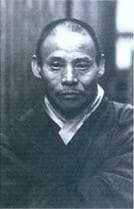
Han Yong-un, also known by his art name Manhae, was a prominent 20th-century Korean Buddhist reformer, poet, and independence activist. He advocated for the modernization of Korean Buddhism and played a significant role in the Korean independence movement against Japanese colonial rule. His poetry often intertwined themes of nationalism and love, becoming a powerful voice for Korean identity and resistance.
Henry Steel Olcott
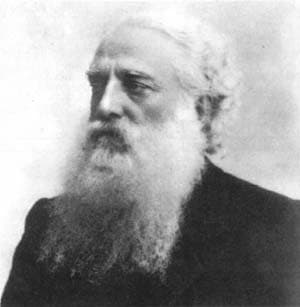
Colonel Henry Steel Olcott was an American military officer, journalist, lawyer, and Freemason who became a co-founder and the first president of the Theosophical Society. He is distinguished as the first well-known American of European descent to formally convert to Buddhism, playing a significant role in the revival of Buddhism in Sri Lanka and promoting Buddhist modernism through his writings and educational initiatives.
Preah Maha Ghosananda
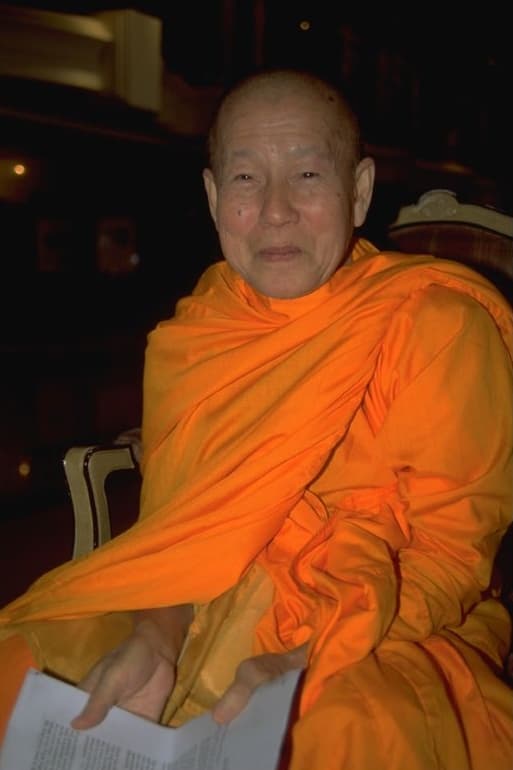
Preah Maha Ghosananda was a highly revered Cambodian Buddhist monk in the Theravada tradition, recognized as the Patriarch of Cambodian Buddhism during tumultuous periods. He is best known for his annual peace marches, known as Dhammayietra, aimed at restoring hope and spirit to the Cambodian people. His work extended to refugee camps and post-conflict restoration, earning him international recognition and nominations for the Nobel Peace Prize.